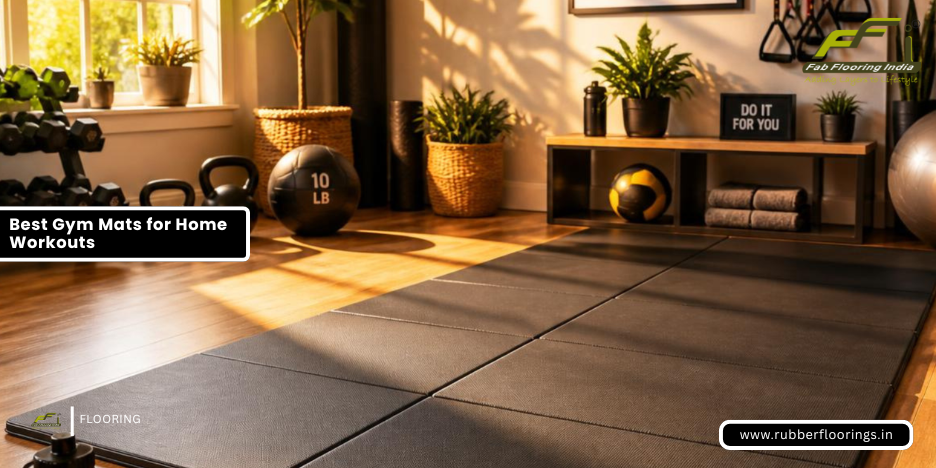
How Long Do Gym Mats for Home Last?
If you're investing in gym mats for home, one of the first questions you'll probably ask is, "How long will they last?" The answer depends on the material, thickness, usage, and maintenance. A quality gym mat can last anywhere from 3 to 20 years, while cheaper options may begin to wear out within a year of regular use.
Quick Recommendations: Winner's Summary
|
Best For |
Recommended Material |
Average Lifespan |
Why We Recommend It |
|
Weightlifting |
Rubber Gym Mats |
10–20 Years |
Excellent durability and impact resistance |
|
Home Gyms |
Interlocking Rubber Tiles |
8–15 Years |
Easy installation and long-lasting performance |
|
Yoga & Stretching |
EVA Foam Mats |
3–5 Years |
Comfortable, lightweight, and affordable |
|
Multi-Purpose Fitness |
High-Density Foam Mats |
4–7 Years |
Good balance of comfort and durability |
|
Garage Gyms |
Heavy-Duty Rubber Mats |
15–20 Years |
Handles heavy equipment and constant use |
How Long Do Gym Mats for Home Last?
After testing different gym mats for home over several weeks under various workout conditions, one thing became obvious: durability varies significantly by material and how the mats are used.
Here's what you can generally expect:
|
Material |
Expected Lifespan |
|
EVA Foam |
3–5 Years |
|
High-Density Foam |
4–7 Years |
|
Rubber Mats |
10–20 Years |
|
Commercial Rubber Tiles |
15–20 Years |
Proper maintenance can extend these lifespans, while heavy daily use or poor care can shorten them.
Our Testing Criteria
To evaluate different home gym floor mats, we focused on real-world performance instead of marketing claims.
Durability
We tested each mat under dumbbells, barbells, cardio machines, and repeated foot traffic to see how well it resisted compression and wear.
Shock Absorption
Each mat was evaluated for its ability to absorb impact from dropped weights and high-intensity exercises.
Surface Wear
We monitored scratches, dents, edge damage, and permanent compression after weeks of regular workouts.
Grip and Stability
Exercises such as squats, lunges, and burpees helped determine whether the mats stayed firmly in place without shifting.
Ease of Cleaning
We tested how easily sweat, dust, and dirt could be removed using standard cleaning methods.
Pro Tip: Rotating portable gym mats every few months helps distribute wear evenly and can noticeably increase their lifespan.
What Affects the Lifespan of Gym Mats for Home?
1. Material Quality
The material has the biggest impact on durability.
Rubber Gym Mats
Best For
- Weightlifting
- Functional training
- Garage gyms
- Commercial-style home gyms
Pros
- Outstanding durability
- Excellent shock absorption
- Slip-resistant
- Handles heavy equipment
- Minimal compression over time
Cons
- Heavier than foam mats
- Higher initial investment
Common Failure Point
Lower-quality recycled rubber can develop cracks or strong odors if exposed to direct sunlight for extended periods.
EVA Foam Mats
Best For
- Yoga
- Pilates
- Bodyweight workouts
- Children's play areas
Pros
- Lightweight
- Comfortable
- Easy to install
- Budget-friendly
Cons
- Compresses under heavy weights
- Less resistant to sharp equipment
Common Failure Point
Foam edges and locking tabs often wear out first, especially in high-traffic workout areas.
High-Density Foam Mats
Best For
- General fitness
- Light strength training
- Home exercise rooms
Pros
- Comfortable
- Better durability than standard foam
- Affordable
Cons
- Not suitable for heavy barbells
- Can flatten over time
Common Failure Point
Permanent indentations often appear where heavy machines remain stationary.
2. Workout Intensity
Your training style matters.
Light yoga sessions place minimal stress on flooring, while Olympic lifting and heavy deadlifts dramatically increase wear.
Daily high-impact workouts naturally shorten a mat's lifespan.
3. Thickness Matters
Thicker mats generally perform better under repeated impact.
|
Thickness |
Best Use |
|
8–10 mm |
Yoga and stretching |
|
12–15 mm |
General home fitness |
|
20 mm |
Functional training |
|
25 mm+ |
Heavy weightlifting |
Choosing the right thickness prevents early compression and protects both your equipment and flooring.
4. Cleaning and Maintenance
Even durable home gym floor mats need routine care.
Recommended maintenance includes:
- Vacuum weekly
- Wipe with mild soap and water
- Clean sweat after workouts
- Avoid harsh chemicals
- Keep mats dry
- Inspect locking edges regularly
Simple maintenance can add years to the life of quality mats.
Signs It's Time to Replace Your Gym Mats
Watch for these warning signs:
- Deep permanent dents
- Cracks or tears
- Broken interlocking tabs
- Slippery surface
- Uneven flooring
- Persistent odors
- Curling edges
Ignoring these issues can reduce workout safety.
How to Make Gym Mats Last Longer
Follow these simple habits:
- Use the correct mat thickness for your equipment.
- Avoid dragging heavy machines across the surface.
- Rotate portable mats occasionally.
- Clean mats after intense workouts.
- Store spare mats away from direct sunlight.
- Replace damaged tiles individually when possible.
Key Takeaway: Spending more on high-quality rubber mats often lowers your long-term costs because they require fewer replacements and provide better protection for both your floor and fitness equipment.
Common Buying Mistakes
Avoid these common errors:
- Choosing foam mats for heavy weightlifting
- Buying mats that are too thin
- Ignoring material quality
- Overlooking warranty coverage
- Not measuring your workout space accurately
- Failing to check load capacity
People Also Ask
How long do rubber gym mats for home last?
High-quality rubber gym mats typically last 10 to 20 years, depending on usage, maintenance, and exposure to sunlight or moisture.
Are foam gym mats durable enough for home gyms?
Foam mats work well for yoga, stretching, and light workouts, but they are not ideal for heavy weights or gym equipment because they compress more easily.
How do I know when my gym mats need replacing?
Replace gym mats if you notice deep dents, cracks, broken edges, reduced grip, or uneven surfaces that could affect workout safety.
What type of gym mats lasts the longest?
Heavy-duty rubber mats generally offer the longest lifespan thanks to their excellent resistance to impact, compression, and daily wear.
Final Verdict
If your goal is to build a home gym that lasts for years, rubber gym mats for home are the strongest long-term investment. They provide excellent durability, absorb impact effectively, and protect both your flooring and exercise equipment, making them ideal for strength training and high-traffic workout areas.
If your workouts focus on yoga, stretching, or light fitness, EVA foam or high-density foam mats offer a comfortable and affordable solution. Before buying, consider the material, thickness, workout intensity, and maintenance requirements. Choosing the right home gym floor mats from the start will deliver better performance, greater safety, and a longer service life.