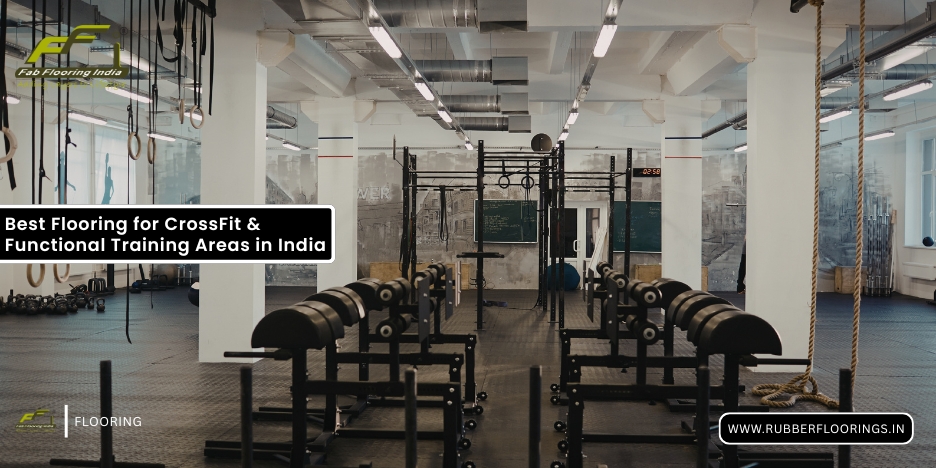
Best Flooring for CrossFit & Functional Training Areas
CrossFit and functional training are among the most intense workout formats used in gyms today. These training styles involve heavy weightlifting, jumping, sled pushes, kettlebell drops, battle ropes, and high-impact bodyweight movements. Because of this intensity, flooring becomes one of the most important investments for any CrossFit box or functional training area.
Many gym owners focus heavily on equipment but overlook flooring until problems appear—cracked floors, excessive noise, slipping, or frequent mat replacement. Choosing the right flooring from the start saves money, improves safety, and enhances performance.
This blog explains the best flooring options for CrossFit and functional training areas, what features to look for, and how to avoid common mistakes—written in simple, practical language for Indian buyers.
Why Flooring Matters in CrossFit & Functional Training
Unlike traditional gyms, CrossFit and functional training spaces involve:
-
Frequent dropping of barbells and kettlebells
-
High-impact movements like box jumps and burpees
-
Heavy sled pushes and pulls
-
Constant movement across open areas
This puts extreme stress on the floor. Standard tiles, marble, or thin mats cannot handle this kind of load and impact.
Proper flooring helps to:
-
Protect the subfloor from cracks and damage
-
Reduce impact on joints and muscles
-
Control noise and vibration
-
Prevent slipping and injuries
-
Increase equipment lifespan
Key Requirements for CrossFit Flooring
Before choosing a flooring type, it’s important to understand what a CrossFit floor must handle.
High Impact Resistance
The flooring must absorb shock from dropped weights without breaking or compressing permanently.
Strong Load-Bearing Capacity
It should support heavy rigs, squat racks, and platforms without sinking or shifting.
Slip Resistance
Sweat and chalk are common in CrossFit gyms. Flooring must provide grip even in wet conditions.
Noise & Vibration Control
Most CrossFit gyms operate in basements or shared buildings. Flooring should reduce noise complaints.
Durability Under Daily Abuse
CrossFit floors are used aggressively every day. The material must last for years, not months.
Why Rubber Flooring Is the Best Choice
Among all available flooring options, rubber flooring is the most trusted and widely used solution for CrossFit and functional training areas.
Benefits of Rubber Flooring
-
Excellent shock absorption
-
High resistance to wear and tear
-
Non-slip surface
-
Noise and vibration reduction
-
Easy maintenance
-
Long lifespan
Because of these benefits, almost every professional CrossFit box uses rubber flooring.
Best Types of Rubber Flooring for CrossFit
1. Heavy-Duty Rubber Tiles
Rubber tiles are one of the best options for CrossFit zones.
Why tiles work well:
-
Thick and dense construction
-
Excellent impact absorption
-
Easy to replace individual tiles if damaged
-
Stay stable under heavy racks
Best for:
Deadlift zones, squat racks, Olympic lifting areas
2. Rubber Flooring Rolls
Rubber rolls are commonly used in functional training areas where movement is continuous.
Advantages:
-
Seamless look
-
Faster installation over large areas
-
Easy cleaning
Best for:
Warm-up areas, cardio zones, sled tracks
3. Interlocking Rubber Mats
Interlocking mats are popular for smaller functional areas or temporary setups.
Suitable for:
-
Home CrossFit gyms
-
Small studios
-
Rental properties
They are easy to install but should be thick and gym-grade for serious training.
Ideal Thickness for CrossFit Flooring
Thickness plays a critical role in performance and durability.
Recommended Thickness Guide
-
10–12 mm: Light functional training, warm-up areas
-
15 mm: Commercial CrossFit gyms (general use)
-
20 mm and above: Heavy lifting zones and deadlift platforms
Using thin mats in heavy lifting zones is one of the most common mistakes gym owners make.
Flooring for Different Zones in a CrossFit Gym
A CrossFit facility usually has multiple activity zones. Using one type of flooring everywhere is not ideal.
Free Weight & Lifting Zones
-
Thick rubber tiles (20 mm+)
-
High density for impact absorption
Open Functional Training Area
-
Rubber rolls or tiles (12–15 mm)
-
Good grip and flexibility
Sled & Conditioning Tracks
-
Rubber rolls with good abrasion resistance
Zoning improves performance and helps control flooring costs.
Noise & Vibration Control in CrossFit Gyms
CrossFit gyms are known for loud workouts. Dropped weights and jumping exercises can disturb neighbouring spaces.
High-density rubber flooring:
-
Reduces impact noise
-
Absorbs vibration
-
Protects building structure
Thicker flooring is especially important in apartments, basements, and commercial complexes.
Durability & Maintenance
CrossFit flooring must handle daily abuse.
Quality rubber flooring:
-
Does not crack or chip
-
Retains shape under heavy loads
-
Requires only basic cleaning
-
Lasts many years with proper use
Sweeping daily and mopping with a mild cleaner is enough to maintain rubber flooring.
Common Flooring Mistakes in CrossFit Gyms
-
Using thin mats to save cost
-
Installing ceramic tiles or marble
-
Ignoring zoning requirements
-
Buying low-density rubber flooring
-
Poor installation on uneven base
Avoiding these mistakes ensures long-term performance.
How to Choose the Right Supplier
Choosing the right flooring supplier is as important as choosing the material.
A reliable supplier will:
-
Recommend thickness based on workout type
-
Help plan gym zones
-
Provide gym-grade rubber flooring
-
Offer proper installation guidance
Experienced providers like rubberfloorings.in understand the demands of CrossFit and functional training spaces and help buyers choose flooring that lasts.
Conclusion
CrossFit and functional training areas demand flooring that can handle impact, weight, movement, and noise every single day. Rubber flooring stands out as the best solution because it combines durability, safety, and long-term value.
By choosing the right type of rubber flooring, correct thickness, and proper zoning, gym owners can protect their floors, improve athlete performance, and reduce maintenance costs.
Investing in the right flooring is not an expense—it is a foundation for a successful CrossFit facility.
Buyer Guidance
-
Identify heavy-impact zones clearly
-
Choose thick, high-density rubber flooring
-
Use tiles for lifting and rolls for open areas
-
Do not compromise on quality
-
Think long-term, not short-term savings