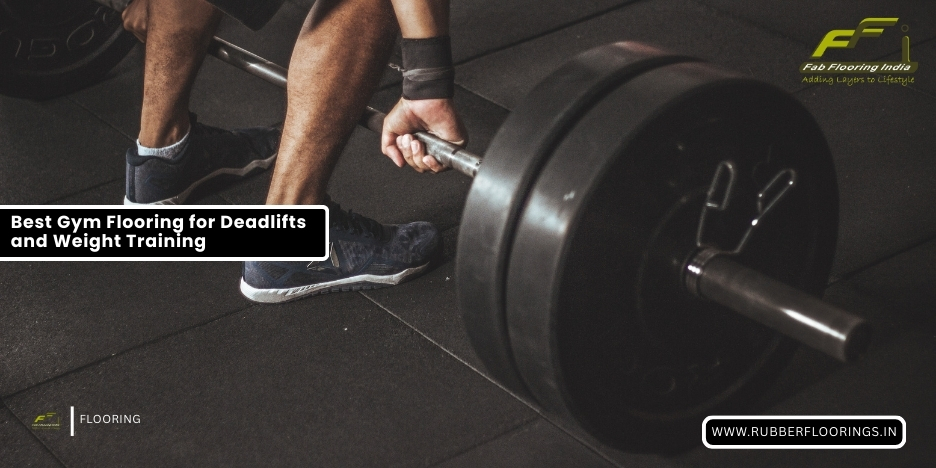
Which Gym Flooring is Best for Heavy Deadlifts and Weight Training?
Strength training and heavy weightlifting are among the most demanding activities in any gym environment. Exercises such as deadlifts, squats, Olympic lifts, and powerlifting movements generate extremely high impact forces on the floor. When heavy barbells are dropped or lowered quickly, the flooring must absorb shock, protect the subfloor, reduce noise, and ensure safety for both athletes and equipment.
Choosing the right gym flooring for heavy deadlifts and weight training is therefore critical. Standard flooring materials such as tiles, wood, or thin mats are not designed to handle repeated heavy impacts. Without proper flooring, gyms may face problems like cracked floors, damaged equipment, excessive noise, and increased risk of injury.
This guide explains which types of gym flooring work best for heavy lifting environments and what features you should consider before installing flooring in weight training areas.
Why Heavy Weight Training Requires Specialized Gym Flooring
Deadlifts and strength training exercises involve lifting and sometimes dropping weights that can exceed 200–300 kg in professional gyms. Even controlled drops can create strong impact forces on the floor.
Without proper flooring, several problems can occur:
- Cracks or damage to the subfloor
- Increased noise and vibration
- Reduced safety for athletes
- Equipment damage
- Uneven training surfaces
Specialized gym flooring is designed to absorb impact and distribute weight evenly across the surface. This protects both the structure of the building and the gym equipment.
Key Features Required for Deadlift and Weightlifting Flooring
When selecting flooring for heavy lifting areas, certain features are essential.
High Shock Absorption
Heavy weights create strong downward force. Flooring must absorb this energy to protect the floor underneath.
Rubber flooring is widely used because it has natural elasticity that helps absorb shock from dropped weights.
Durability and Strength
Weight training zones experience constant pressure from barbells, plates, and gym equipment. Flooring must withstand repeated heavy impacts without cracking or tearing.
High-density rubber flooring is known for its durability and ability to handle heavy gym environments.
Proper Thickness
Thickness is one of the most important factors when selecting gym flooring for heavy lifting.
Recommended thickness levels include:
- 12mm to 15mm – moderate strength training
- 20mm to 25mm – heavy commercial gyms
- 30mm or more – Olympic weightlifting zones
Thicker flooring provides better shock absorption and floor protection.
Anti-Slip Surface
During heavy lifts, stability is crucial. Athletes need firm footing to maintain proper posture and balance.
Rubber flooring provides a textured anti-slip surface that improves grip and reduces the risk of slipping during lifts.
Noise and Vibration Reduction
Dropping heavy weights can create loud noise and vibrations that travel through the building.
Rubber flooring helps absorb sound and vibration, making it ideal for gyms located in commercial buildings or residential complexes.
Best Types of Gym Flooring for Heavy Deadlifts
Several flooring options are available for weightlifting areas, but some perform better than others.
Rubber Gym Flooring
Rubber flooring is considered the best overall option for heavy lifting areas.
- Excellent shock absorption
- High durability
- Anti-slip surface
- Long lifespan
- Easy maintenance
Rubber flooring is commonly used in commercial gyms, powerlifting gyms, and CrossFit facilities.
Heavy-Duty Rubber Mats
- Maximum durability
- Strong impact absorption
- Easy installation
They are commonly used in deadlift platforms and strength training areas.
Rubber Flooring Tiles
- Flexible installation
- Easy replacement
- Good durability
They are suitable for medium-sized gyms and strength training sections.
Deadlift Platforms
- Maximum floor protection
- Improved lifting stability
- Professional training surface
Ideal Flooring Thickness for Heavy Deadlifts
- 15mm – moderate strength training
- 20mm – commercial gyms
- 25mm+ – heavy deadlift zones
- 30mm+ – Olympic lifting platforms
Rubber Flooring Rolls vs Tiles for Weightlifting
Rubber Rolls
- Seamless appearance
- Fewer joints
- Professional installation
Rubber Tiles
- Easy installation
- Easy replacement
- Flexible layout
Importance of Subfloor Protection
- Concrete
- Wooden floors
- Tiles
Maintenance of Weightlifting Flooring
- Sweeping dust and chalk regularly
- Cleaning with mild detergent
- Inspecting seams and edges
- Avoiding harsh chemicals
Common Mistakes to Avoid
- Choosing thin flooring to reduce cost
- Using foam flooring for heavy lifting
- Ignoring flooring thickness requirements
- Installing flooring without subfloor preparation
Why Rubber Flooring Is the Preferred Choice
- Protection against dropped weights
- Improved safety
- Reduced noise and vibration
- Long-term durability
- Comfortable training surface
Conclusion
Heavy deadlifts and strength training place extreme stress on gym floors. Choosing the right flooring is essential to protect both the building structure and gym equipment while ensuring athlete safety.
High-density rubber flooring with sufficient thickness is the best solution for weightlifting environments. It offers superior shock absorption, durability, and stability, making it ideal for commercial gyms, powerlifting centers, and home gyms.
By selecting the right flooring type and thickness, gym owners can create a safe, durable, and professional training space for heavy lifting.