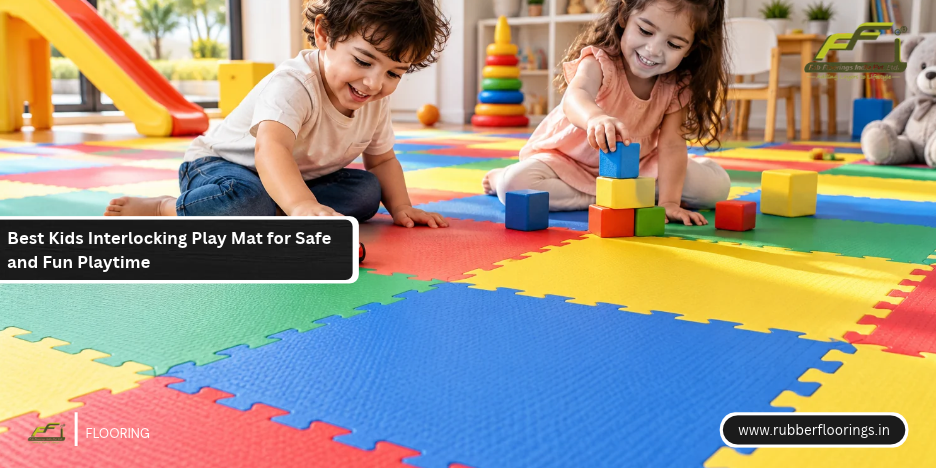
Best Kids Interlocking Play Mat for Safe and Fun Playtime
Choosing the right flooring for children is about more than creating a colourful play space. Kids need a comfortable, soft, and supportive surface where they can crawl, sit, play with toys, and explore their surroundings without constantly coming into contact with hard floors. This is where a kids interlocking play mat can make a practical difference.
Whether you are setting up a play corner at home, a nursery, a preschool, or an indoor activity area, the right floor mat can make the space more comfortable and easier to maintain. Interlocking mats are especially useful because you can arrange them according to the available space and expand the covered area whenever needed.
Let's explore what makes these mats a useful flooring choice, their benefits, and how to select the right option for your children's play area.
What Is a Kids Interlocking Play Mat?
A kids interlocking play mat is a modular flooring solution made from individual pieces that connect through puzzle-like edges. These pieces fit together to create a continuous surface without requiring permanent installation.
Most foam mats for kids are lightweight and designed to provide cushioning over hard floors such as tiles, marble, and concrete. Their soft surface creates a more comfortable place for children to play, sit, and move around.
You can use a kids floor mat in different settings, including:
- Children's bedrooms and playrooms.
- Preschools and daycare centres.
- Indoor playgrounds and activity rooms.
- Nursery areas and crawling spaces.
- Home learning and activity corners.
The biggest advantage is flexibility. You can cover a small section of a room or connect multiple pieces to create a larger play surface.
Why Are Interlocking Mats for Kids a Good Choice?
Children spend considerable time sitting, crawling, jumping, and playing on the floor. A hard surface may become uncomfortable during extended play sessions. A suitable kids mat for floor use provides cushioning and helps create a more child-friendly environment.
Here are some reasons parents and facility owners consider interlocking mats.
1. Soft and Comfortable Surface
Comfort is one of the main reasons people choose foam mats for kids. Their cushioned construction provides a softer surface than ordinary hard flooring.
This makes them suitable for crawling, sitting, playing with building blocks, and other everyday indoor activities.
2. Easy to Install and Rearrange
Unlike permanent flooring, interlocking mats do not generally require complicated installation. You can connect the individual pieces by fitting their edges together.
If you want to change the room layout or move the play area, you can disconnect and rearrange the mats according to your requirements.
3. Helps Create a Defined Play Area
A dedicated kids play area mat helps separate the children's activity space from other parts of the room.
For example, parents can create a small play corner in a bedroom or living room without changing the existing flooring.
4. Convenient Maintenance
Most foam mats have surfaces that can be cleaned using a soft cloth and a suitable cleaning solution, following the manufacturer's instructions.
Regular cleaning helps remove dust, food particles, and everyday dirt that may collect during playtime.
5. Flexible for Different Spaces
A floor mat for kids room use does not have to cover the entire floor. You can select the number of pieces according to your available space.
This flexibility makes interlocking mats useful for both compact homes and larger indoor play facilities.
How to Choose the Best Floor Mat for Kids?
Not every mat is suitable for every activity. Before purchasing, consider the age of the children, available space, expected usage, and material quality.
Check the Material Quality
Material should be your first consideration. EVA foam is commonly used in lightweight interlocking play mats because it provides cushioning and is easy to handle.
However, always check the manufacturer's material specifications, safety information, and suitability for the intended age group.
Choose the Right Thickness
The thickness of a kids room mat on floor can influence comfort and cushioning.
- Thin mats: Suitable for light indoor activities on appropriate surfaces.
- Medium-thickness mats: A practical option for everyday play and sitting.
- Thicker mats: May offer additional cushioning for certain activities, depending on material density.
Remember that thicker does not automatically mean safer. Choose according to the intended use and product specifications.
Consider the Available Space
Measure the floor area before buying. This helps you calculate how many interlocking pieces you need.
For smaller bedrooms, a compact floor mat for kids room use may be sufficient. Larger daycare centres and indoor play areas may require multiple connected pieces.
Look for Easy-to-Clean Surfaces
Children can spill drinks, drop snacks, and bring dirt into their play areas. Select a kids mat that is easy to clean and maintain.
Check whether the product is water-resistant and follow its recommended cleaning instructions.
Check Grip and Stability
A play mat should remain stable during regular use. Look for properly connecting edges and a surface suitable for the flooring underneath.
Avoid placing mats on wet, uneven, or slippery surfaces.
Where Can You Use Kids Play Area Flooring?
One reason interlocking mats remain popular is their versatility. They can be used in several indoor environments.
Home Playrooms: A dedicated mat for kids play area use creates a comfortable corner for toys, puzzles, drawing, and everyday activities.
Children's Bedrooms: A kids floor mat can make a section of the bedroom more suitable for floor-based activities.
Schools and Preschools: Interlocking mats can help create defined activity zones for reading, indoor games, and supervised play.
Daycare Centres: Larger flooring arrangements can provide a designated space for crawling, sitting, and playing.
Indoor Activity Areas: They can be used in selected indoor recreational spaces where cushioned flooring is appropriate.
For commercial spaces, consider the expected foot traffic, cleaning requirements, fire-safety specifications, and applicable flooring standards before installation.
Kids Interlocking Play Mat vs Regular Floor Mat
Both options can serve children's everyday flooring needs, but their installation and flexibility differ.
|
Feature |
Interlocking Play Mat |
Regular Floor Mat |
|
Installation |
Connects piece by piece |
Usually one complete piece |
|
Coverage |
Expandable |
Limited to mat size |
|
Arrangement |
Flexible |
Generally fixed |
|
Replacement |
Individual pieces can be replaced if compatible |
Often requires replacing the complete mat |
|
Best suited for |
Custom play areas |
Small, defined spaces |
If you want to cover an area of a specific size, interlocking mats can be a more flexible option.
Important Safety Tips for Using Mats for Kids
A comfortable surface alone does not guarantee a completely safe play environment. Parents and caregivers should consider a few additional precautions.
- Select mats made from materials suitable for the child's age.
- Check product information and relevant safety certifications.
- Keep small detachable pieces away from infants who may put objects in their mouths.
- Ensure all connecting edges fit properly.
- Clean the surface regularly.
- Inspect mats for tears, damaged edges, or loose sections.
- Supervise children during play, particularly when crawling or learning to walk.
Also, remember that foam mats are not a substitute for impact-rated playground flooring or specialist safety surfaces beneath climbing equipment.
How to Maintain Your Kids Floor Mats
Proper maintenance can help keep your flooring in good condition for longer.
Start by removing loose dust and dirt with a soft brush or vacuum suitable for the product. Wipe the surface using a damp cloth and a manufacturer-approved cleaning solution.
Allow the mats to dry properly before children use them again. Avoid harsh chemicals, abrasive brushes, and excessive water unless the manufacturer specifically permits them.
If a section becomes damaged, replace it rather than continuing to use a mat with broken or loose edges.
Final Thoughts
Creating a comfortable play environment starts with choosing flooring that suits children's everyday activities. A kids interlocking play mat offers flexibility, convenient installation, and a cushioned surface for indoor play spaces.
From children's bedrooms to preschools and daycare centres, these mats can help organise activity areas while making hard floors more comfortable. The right choice depends on material quality, thickness, dimensions, maintenance, and safety requirements.
If you are planning to create a comfortable and practical play space, explore the flooring solutions available at Rubber Floorings. Choose a suitable option for your space and give children a dedicated area to enjoy their everyday playtime.
Need help selecting the right flooring? Contact Rubber Floorings to learn more about suitable flooring options for your kids' play area.
Frequently Asked Questions
1. What is a kids interlocking play mat?
A kids interlocking play mat is a modular flooring solution made of individual pieces that connect like puzzle tiles. It creates a cushioned surface for children to crawl, sit, and play indoors.
2. Are interlocking mats safe for kids?
Interlocking mats can be suitable for children when made from age-appropriate, tested materials. Always check product safety information, certifications, and age recommendations before purchasing.
3. Which material is best for kids' floor mats?
EVA foam is a popular choice because it is lightweight, flexible, and provides cushioning. The best material depends on the child's age and intended use.
4. Can I use a kids play mat in the bedroom?
Yes. A floor mat for kids' rooms can create a dedicated play corner where children can enjoy toys, puzzles, reading, and other indoor activities.
5. How do I clean foam mats for kids?
Use a soft cloth, damp mop, or manufacturer-approved cleaning solution. Allow the mats to dry completely before allowing children to use them.
6. What thickness is suitable for a kids interlocking play mat?
The suitable thickness depends on the child's age and activity. Medium or thicker mats may provide additional cushioning, but always check the product specifications and intended use.
7. Can interlocking mats be used in daycare centres?
Yes. They can be used to create designated indoor activity areas in daycare centres, preschools, and nurseries, provided the flooring meets the facility's safety and maintenance requirements.
8. Are kids interlocking play mats waterproof?
Some foam mats offer water-resistant surfaces, but not every product is fully waterproof. Check the manufacturer's specifications before purchasing.
9. Can I expand my kids' play area flooring later?
Yes. One advantage of interlocking mats is that you can add compatible pieces to increase the covered area whenever required.
10. How do I choose the best mat for a kids' play area?
Consider material quality, thickness, dimensions, surface grip, cleaning requirements, and safety certifications. Select a mat that suits the child's age and the activities planned for the space.