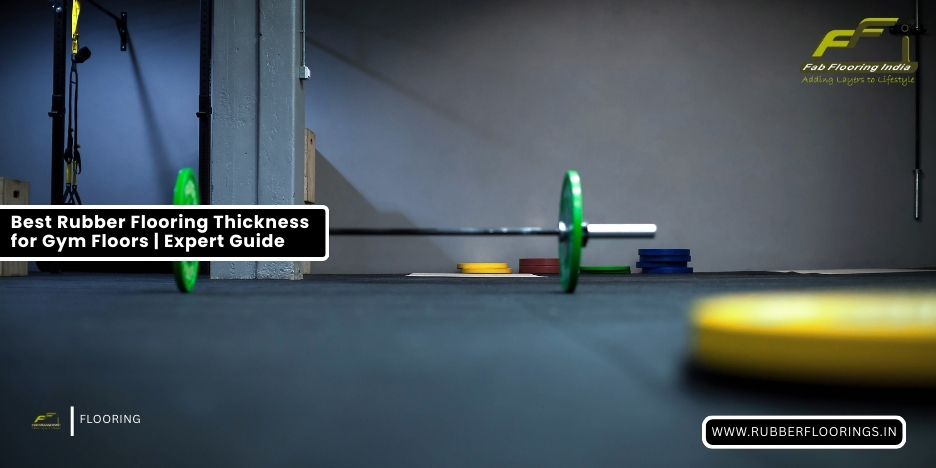
What Thickness Rubber Flooring is Best for Gym Floors? Complete Expert Guide
When setting up a gym, one of the most important decisions you’ll make is choosing the right flooring thickness. Rubber flooring has become the most popular option for gyms because it offers durability, shock absorption, and safety. However, selecting the correct thickness is critical. Too thin, and it won’t protect your floors from heavy equipment or dropped weights. Too thick, and you might spend more money than necessary.
The ideal rubber flooring thickness depends on several factors, including the type of workouts, equipment weight, gym usage, and the type of subfloor. This guide explains the best rubber flooring thickness for different gym environments—from home gyms to heavy commercial weightlifting zones.
Why Rubber Flooring Thickness Matters
Rubber flooring thickness plays a major role in gym performance, safety, and durability. The thickness determines how well the flooring can absorb impact, reduce noise, and protect the subfloor beneath it.
Some key benefits of choosing the right thickness include:
-
Improved shock absorption during workouts
-
Protection against dropped weights and equipment damage
-
Reduced vibration and noise
-
Enhanced comfort for users
-
Longer flooring lifespan
Because gyms experience constant foot traffic and heavy equipment usage, selecting the right thickness ensures the flooring can handle long-term stress.
Common Rubber Gym Flooring Thickness Options
Rubber flooring is available in several thickness levels, each suited for specific activities.
6mm Rubber Flooring – Best for Light Workouts
6mm rubber flooring is considered a thin option suitable for low-impact activities.
Ideal for:
-
Yoga and stretching areas
-
Pilates studios
-
Light cardio workouts
-
Bodyweight exercises
This thickness provides basic cushioning but does not offer enough protection for heavy weightlifting or dropped weights.
8mm Rubber Flooring – Standard Home Gym Choice
8mm rubber flooring is widely regarded as the standard thickness for home gyms and light commercial fitness areas.
Suitable for:
-
Home gyms
-
Cardio machines like treadmills and bikes
-
Light weight training
This thickness offers a good balance between affordability, durability, and comfort.
10mm Rubber Flooring – Multipurpose Gym Flooring
10mm rubber flooring is one of the most versatile options used in many gyms.
Best for:
-
Mixed workout spaces
-
Fitness studios
-
Cardio and strength training zones
It provides better shock absorption and durability compared to thinner flooring. Many gyms use this thickness because it protects the subfloor while still being cost-effective.
12mm–15mm Rubber Flooring – Strength Training Zones
For gyms with moderate to heavy lifting, thicker flooring becomes necessary.
Recommended for:
-
Free weight areas
-
Dumbbell zones
-
Power racks and benches
Thicker flooring helps absorb the impact of dropped weights and prevents damage to the underlying floor.
20mm–25mm Rubber Flooring – Heavy Weightlifting
Heavy-duty rubber flooring between 20mm and 25mm is ideal for serious training environments.
Best used in:
-
Commercial gyms
-
Deadlift platforms
-
CrossFit training areas
Thicker rubber flooring provides maximum shock absorption and protects floors from heavy weight drops.
30mm+ Rubber Flooring – High-Impact Training
For professional training facilities and Olympic lifting areas, extremely thick flooring may be required.
Recommended for:
-
CrossFit gyms
-
Olympic weightlifting zones
-
Military or professional training facilities
Some high-impact training areas use flooring up to 40mm to absorb extreme weight impact and reduce vibration.
Recommended Gym Flooring Thickness Chart
| Gym Activity | Recommended Thickness |
|---|---|
| Yoga / Stretching | 6mm |
| Home Gym (Cardio & Light Weights) | 8mm |
| Mixed Fitness Training | 10mm |
| Strength Training | 12mm–15mm |
| Commercial Gym Weight Areas | 20mm–25mm |
| CrossFit / Olympic Lifting | 25mm–40mm |
Factors That Determine the Best Thickness
There is no single “perfect thickness” for every gym. Several factors influence the ideal choice.
Type of Workout
Different workouts create different impact levels.
Examples:
-
Yoga and stretching require minimal cushioning
-
Strength training requires moderate impact protection
-
Olympic lifting requires maximum shock absorption
The heavier the workout intensity, the thicker the flooring should be.
Weight of Gym Equipment
Equipment weight plays a major role in flooring selection.
For example:
-
Treadmills and bikes require medium thickness
-
Dumbbells and barbells require thicker flooring
-
Deadlift platforms require heavy-duty rubber mats
Dropping heavy weights without proper flooring can damage both the equipment and the subfloor.
Subfloor Material
The type of subfloor also affects thickness choice.
Common subfloors include:
-
Concrete
-
Wooden floors
-
Tiles
Concrete floors may require slightly less thickness, while wooden floors need thicker protection.
Noise and Vibration Control
Thicker rubber flooring helps absorb noise and vibration caused by weightlifting or heavy equipment.
This is especially important in:
-
Apartment gyms
-
Multi-floor buildings
-
Commercial complexes
Noise reduction improves the overall gym environment.
Rubber Flooring Formats and Thickness
Rubber flooring is available in several formats.
Rubber Rolls
Rubber rolls are ideal for large gyms because they create a seamless surface with fewer joints.
Common thickness:
-
8mm
-
10mm
-
12mm
These are widely used in commercial gyms.
Rubber Tiles
Rubber tiles are modular and easy to install.
Common thickness:
-
10mm
-
15mm
-
20mm
Tiles allow easy replacement if a section gets damaged.
Interlocking Rubber Mats
Interlocking mats are popular for home gyms because they are easy to install.
Common thickness:
-
10mm
-
12mm
They are also portable and flexible.
Advantages of Proper Rubber Flooring Thickness
Choosing the correct thickness provides many advantages.
These include:
-
Better floor protection
-
Reduced noise and vibration
-
Improved user safety
-
Longer flooring lifespan
-
Enhanced workout comfort
Rubber flooring also protects expensive gym equipment from damage caused by impact.
Common Mistakes When Choosing Gym Flooring Thickness
Many gym owners make mistakes when selecting flooring thickness.
Common mistakes include:
-
Choosing thin flooring to save money
-
Using the same thickness for the entire gym
-
Ignoring weightlifting areas
-
Not considering subfloor type
Planning flooring based on gym zones helps avoid these issues.
Expert Tip: Use Different Thickness Zones
Professional gyms often use different flooring thicknesses for different areas.
Example layout:
-
Cardio area → 8mm
-
Strength training → 12mm
-
Heavy lifting → 20mm+
This approach improves safety and reduces unnecessary flooring costs.
Final Thoughts
The best rubber flooring thickness for gym floors depends on the type of workouts, equipment weight, and gym environment. For most gyms, 8mm to 12mm rubber flooring works well for general training areas, while heavy lifting zones require thicker flooring between 20mm and 25mm or more.
Choosing the right thickness ensures your gym flooring provides maximum safety, durability, and performance.
Investing in proper gym flooring thickness not only protects the subfloor and equipment but also creates a safer and more professional training environment.