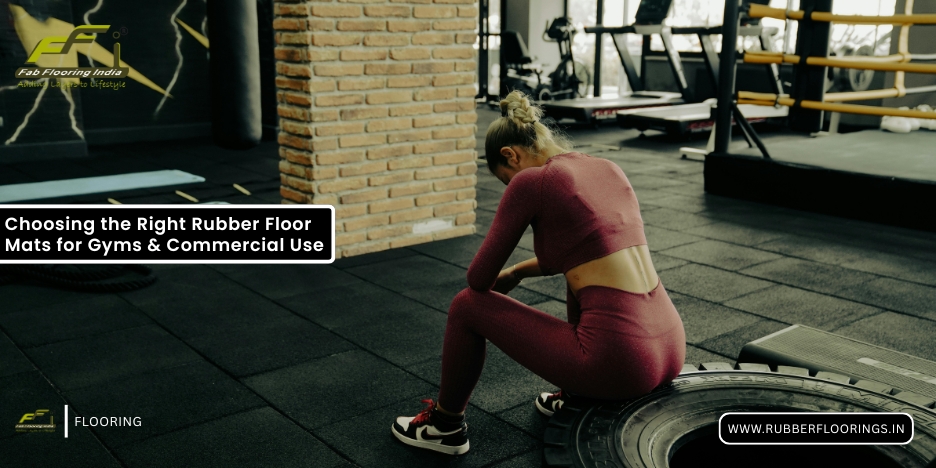
Choosing the Right Rubber Floor Mats
Rubber floor mats are an essential part of many spaces — from gyms and fitness studios to commercial workplaces and home workout areas. The right mat not only protects the floor but also adds safety, comfort, and noise control. However, with so many options available in the market, choosing the right rubber floor mat can be confusing.
This guide walks you through everything you need to know to make a smart choice — whether you are setting up a gym, designing a commercial space, or improving your home workout area.
Why Rubber Floor Mats Matter
Choosing the right rubber floor mat is more than picking a colour or pattern. A quality mat:
-
Protects the base floor from heavy equipment and impact
-
Absorbs shock and reduces strain on joints
-
Controls noise and vibration, especially in multi-storey buildings
-
Enhances grip and reduces slip risk
-
Improves comfort for long periods of standing or activity
Rubber mats are durable, easy to clean, and safe — making them ideal for a variety of heavy-use environments.
Step 1: Know Where the Rubber Mat Will Be Used
The first step in choosing the right mat is identifying where it will be installed:
Gym and Fitness Areas
Gym mats need to handle heavy weights, constant foot traffic, and sweat. Rubber mats are preferred because they are tough and can protect both the floor and equipment.
Home Workout Areas
In a home gym or workout space, mats should offer comfort, cushioning, and noise reduction. Thickness and slip resistance are important for safe home use.
Commercial & Office Spaces
In commercial environments, mats are often used in reception areas, walkways, or workstations. Here, appearance, slip resistance, and ease of maintenance matter.
Industrial Zones
Industrial flooring requires mats that can endure heavy machinery, forklifts, chemicals, and abrasive wear.
Once you know where the mat will be used, you can narrow down the right type and specifications.
Step 2: Decide on the Right Material
Although rubber is the main material, not all rubber mats are the same. Different material types provide different strengths.
1. Virgin Rubber
Made from new rubber compounds, virgin rubber mats are smooth, elastic, and highly durable. They are often used where surface finish and feel matter more.
2. Recycled Rubber
Recycled rubber mats are made from reclaimed rubber such as tyre rubber. They are environmentally friendly, cost-effective, and still highly durable — especially when manufactured correctly. For heavy use, recycled rubber mats with high density perform extremely well.
For most gym and commercial applications, high-quality recycled rubber mats deliver excellent performance and durability.
Step 3: Thickness — The Most Important Factor
Thickness is one of the biggest decisions when choosing a rubber mat. Different thicknesses suit different purposes:
-
8–10 mm: Best for light use, yoga, stretching, or home workouts
-
12–15 mm: Ideal for commercial gyms, studios, and machine areas
-
20 mm and above: Designed for heavy weightlifting, deadlift platforms, and industrial use
Thicker mats offer better impact protection and longer life, but they may cost more. Always choose thickness based on expected use, not just appearance.
Step 4: Consider Load and Impact Requirements
Before buying, think about:
-
How heavy the equipment is
-
Whether weights will be dropped
-
How often the area will be used
If heavy weights are frequently dropped, thin mats will wear out quickly. Gym-grade rubber mats absorb shock and spread the impact load, protecting both the floor and the mat itself.
Step 5: Safety — Slip Resistance and Grip
Safety should never be overlooked. The right mat should:
-
Provide strong traction even when wet
-
Not move or curl at the edges during use
-
Have a structured surface to improve grip
Rubber mats naturally offer good slip resistance, but textured surfaces and professional-grade materials increase safety even more.
Step 6: Noise and Vibration Control
In environments like apartments, commercial buildings, or multi-storey gyms, noise control is important. Rubber mats help reduce:
-
Impact noise from dropped weights
-
Vibration from machines and movement
-
Sound transmission to floors below
Thicker mats and dense rubber materials provide better noise dampening.
Step 7: Ease of Installation and Maintenance
Rubber mats come in different installation formats:
-
Loose-laid mats: Easy to install and remove
-
Interlocking mats: Snap together like a puzzle — no adhesive required
-
Glue-down mats: More permanent and suitable for high-use areas
When it comes to cleaning, quality rubber mats are simple to maintain. Most only require sweeping and occasional mopping with a mild cleaner.
Step 8: Durability — Long-Term Performance
Durability depends on:
-
Material quality
-
Thickness
-
Load and impact conditions
-
Maintenance
Rubber mats are known for long service life. However, low-quality mats may wear out quickly, curl at the edges, or lose grip. Investing in quality mats means fewer replacements and better long-term performance.
Common Mistakes to Avoid
Many buyers make these mistakes:
-
Choosing mats based only on price
-
Using thin mats in heavy-use areas
-
Ignoring slip resistance
-
Buying household mats for commercial gyms
Avoiding these can save money and increase satisfaction with your flooring choice.
Why Rubberfloorings.in Helps You Choose Better
Selecting the right rubber mat is not just about thickness or colour — it’s about understanding how rubber material behaves under pressure, impact, and daily use. Experienced suppliers like rubberfloorings.in guide buyers to choose the correct mat based on usage, not just price. This ensures safety, durability, and long-term performance.
Conclusion
Choosing the right rubber floor mat may seem simple, but making the right decision requires understanding the environment, load conditions, material quality, and safety needs. The ideal mat protects your floor, enhances comfort, controls noise, and lasts for years.
Before you buy:
-
Identify where the mat will be used
-
Choose the correct material
-
Decide on thickness
-
Check safety features
-
Consider noise and maintenance needs
A well-chosen rubber floor mat brings peace of mind, cost savings, and high performance — whether it’s for a gym, commercial area, or home.