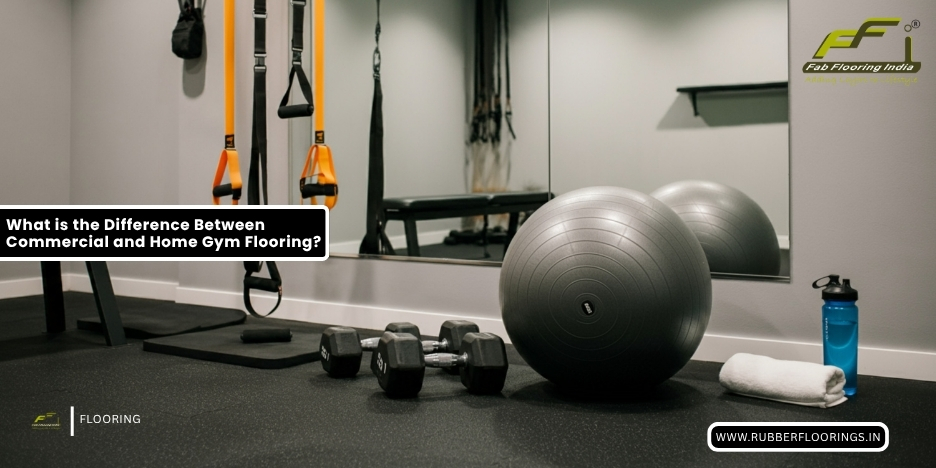
What is the Difference Between Commercial and Home Gym Flooring?
When setting up a gym, one of the most important decisions is choosing the right flooring. However, many people make the mistake of assuming that all gym flooring is the same.
In reality, there is a significant difference between commercial gym flooring and home gym flooring. Each is designed for different levels of usage, weight load, durability, and performance.
Choosing the wrong type can lead to safety risks, faster wear and tear, and unnecessary costs.
In this guide, we will break down the key differences between commercial and home gym flooring so you can make the right decision.
Why Gym Flooring Type Matters
Gym flooring is not just about looks—it directly affects:
- Safety
- Equipment stability
- Floor protection
- Noise control
- Long-term durability
The needs of a commercial gym are very different from a home gym.
What is Commercial Gym Flooring?
Commercial gym flooring is designed for high-traffic, heavy-duty environments.
Key Characteristics
- High durability
- Thick and dense material
- Designed for heavy equipment
- Long lifespan
Where It Is Used
- Fitness centers
- CrossFit gyms
- Training studios
- Sports facilities
It is built to handle continuous use.
What is Home Gym Flooring?
Home gym flooring is designed for light to moderate usage.
Key Characteristics
- Moderate durability
- Lighter materials
- Easy installation
- Budget-friendly
Where It Is Used
- Home gyms
- Personal workout spaces
- Garage gyms
It is designed for occasional use.
Key Differences Between Commercial and Home Gym Flooring
1. Durability and Strength
Commercial Flooring
- Designed for heavy use
- Handles high foot traffic
- Resistant to wear and tear
Home Gym Flooring
- Suitable for limited use
- May wear out faster under heavy load
Winner: Commercial flooring
2. Thickness and Density
Commercial Flooring
- Usually 10mm–30mm+
- High-density rubber
Home Gym Flooring
- Usually 6mm–12mm
- Lower density
Commercial flooring offers better protection.
3. Weight Handling Capacity
Commercial Flooring
- Handles heavy weights (100kg+)
- Suitable for deadlifts and machines
Home Gym Flooring
- Suitable for light weights
- Not ideal for heavy lifting
Commercial flooring is stronger.
4. Cost Comparison
Commercial Flooring
- Higher initial cost
- Better long-term value
Home Gym Flooring
- Lower upfront cost
- May need replacement sooner
Home flooring is cheaper initially.
5. Installation Method
Commercial Flooring
- Often requires professional installation
- Uses adhesives or heavy tiles
Home Gym Flooring
- DIY-friendly
- Interlocking mats
Home flooring is easier to install.
6. Lifespan
Commercial Flooring
- 10–15+ years
Home Gym Flooring
- 3–8 years
Commercial flooring lasts longer.
7. Safety and Performance
Commercial Flooring
- Better grip
- Better shock absorption
- More stable
Home Gym Flooring
- Moderate safety
- Less stable under heavy load
Commercial flooring provides higher safety.
8. Noise and Vibration Control
Commercial Flooring
- Excellent noise reduction
- Ideal for buildings
Home Gym Flooring
- Limited noise control
Commercial flooring performs better.
9. Maintenance Requirements
Commercial Flooring
- Easy to clean
- Long-lasting
Home Gym Flooring
- Requires more frequent replacement
Commercial flooring is more efficient.
10. Appearance and Finish
Commercial Flooring
- Professional look
- Premium finish
Home Gym Flooring
- Basic appearance
Commercial flooring looks better.
Material Differences
Commercial Flooring Materials
- High-density rubber
- EPDM rubber
- Heavy-duty mats
Home Gym Flooring Materials
- EVA foam mats
- Light rubber mats
Material quality is a major difference.
Which One Should You Choose?
Choose Commercial Gym Flooring If:
- You have heavy equipment
- You run a fitness center
- You want long-term durability
Choose Home Gym Flooring If:
- You have light workouts
- You want a budget option
- You need easy installation
Can You Use Commercial Flooring at Home?
Yes—and it’s often recommended.
Benefits:
- Longer lifespan
- Better safety
- Higher durability
It’s a smart long-term investment.
Can You Use Home Flooring in a Commercial Gym?
No (not recommended)
Problems:
- Quick wear and tear
- Safety risks
- Equipment damage
Common Mistakes to Avoid
Using Foam Mats for Heavy Lifting
They compress and fail.
Choosing Thin Flooring for Commercial Use
Leads to damage.
Ignoring Density
Thickness alone is not enough.
Real-Life Example
Home Gym Setup
- Light dumbbells
- EVA mats
Commercial Gym Setup
- Heavy machines
- Thick rubber flooring
Different needs, different solutions.
Cost vs Value
Home Flooring
- Low cost
- Short lifespan
Commercial Flooring
- Higher cost
- Long-term savings
Value matters more than price.
Final Verdict
Commercial and home gym flooring are designed for completely different purposes.
Commercial Flooring
- Durable
- Strong
- Long-lasting
Home Flooring
- Affordable
- Easy to install
- Suitable for light use
Choose based on your needs—not just budget.
Conclusion
Understanding the difference between commercial and home gym flooring helps you make smarter decisions. The right flooring improves safety, protects equipment, and ensures long-term performance.
Whether you are setting up a home gym or a commercial fitness center, investing in the right flooring is essential.
The right gym flooring is not just a surface—it’s the foundation of your entire fitness space.