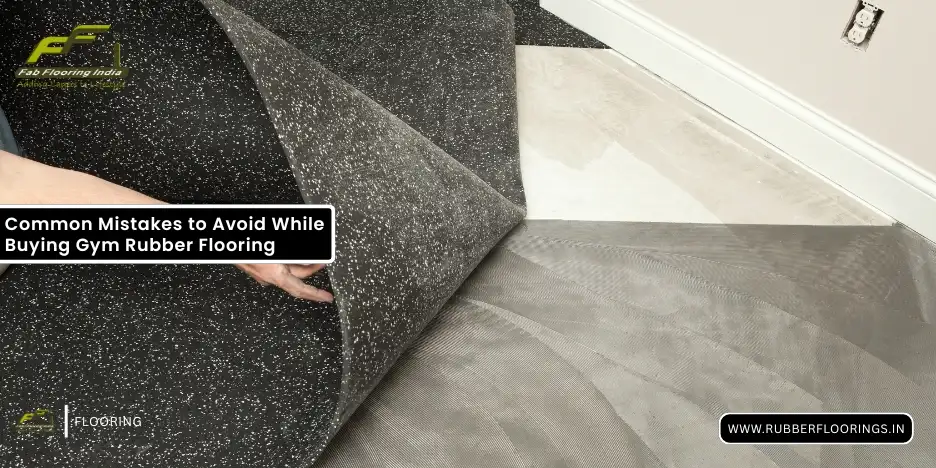
Common Mistakes to Avoid While Buying Gym Rubber Flooring
Gym rubber flooring is not just a surface you walk on—it protects your building, your equipment, and the people working out every day. Yet, many gym owners and buyers in India end up facing problems like cracked floors, uneven mats, bad smell, or fast wear and tear. In most cases, these issues happen because of wrong buying decisions, not because rubber flooring itself is poor.
This blog explains the most common mistakes people make while buying gym rubber flooring and how you can avoid them. Whether you are setting up a commercial gym, a studio, or a home gym, this guide will help you choose flooring that lasts longer and performs better.
1. Choosing Flooring Based Only on Price
One of the biggest mistakes buyers make is selecting gym flooring only because it is cheap. Low-priced rubber flooring often means:
-
Low density
-
Poor binding
-
Inconsistent thickness
Such flooring may look fine initially but starts cracking, compressing, or breaking within months—especially under heavy equipment.
What to do instead:
Always compare quality, thickness, and density, not just price. Spending slightly more upfront can save you from replacement and repair costs later.
2. Ignoring the Required Thickness
Not all gym areas need the same thickness of rubber flooring, yet many buyers install one thickness everywhere.
Common problems include:
-
Thin mats in free-weight areas
-
Floor damage under squat racks
-
Excessive vibration and noise
Correct thickness guideline:
-
8–10 mm: Light workouts, yoga, stretching
-
12–15 mm: Commercial gyms, machine areas
-
20 mm and above: Heavy lifting and deadlift zones
Choosing the wrong thickness directly reduces flooring life.
3. Not Understanding Usage Zones in the Gym
A gym has different activity zones:
-
Cardio area
-
Free-weight zone
-
Functional training area
-
Machine section
Installing the same flooring everywhere is a mistake. Heavy lifting areas need stronger and thicker rubber than cardio zones.
Smart approach:
Use tiles in weight areas and rubber rolls or thinner mats in cardio zones. Zoning improves performance and controls cost.
4. Overlooking Density and Compression Strength
Many buyers focus only on thickness and ignore density, which is equally important.
Low-density rubber:
-
Compresses permanently
-
Loses shape
-
Creates uneven surfaces
High-density rubber flooring:
-
Handles heavy loads better
-
Retains shape
-
Lasts longer under impact
Always ask about density and load-bearing capacity before buying.
5. Ignoring Floor Base and Installation Requirements
Even the best rubber flooring can fail if installed incorrectly.
Common installation mistakes include:
-
Uneven subfloor
-
No expansion gaps
-
Poor adhesive usage
-
Loose edges
These issues cause curling, gaps, and movement over time.
Tip:
Ensure the base floor is level and installation is done as per gym flooring standards.
6. Not Considering Noise and Vibration Control
Many gyms in India operate in basements, apartments, or commercial buildings. Ignoring sound control can lead to:
-
Complaints from neighbours
-
Structural vibration issues
-
Uncomfortable workout environment
Thin or poor-quality rubber does not absorb impact noise effectively.
Solution:
Use thicker, high-density rubber flooring in impact zones to reduce noise and vibration.
7. Choosing the Wrong Type of Rubber Flooring
There are different formats of rubber gym flooring:
-
Rubber tiles
-
Rubber rolls
-
Interlocking mats
Using the wrong type for the wrong area is a common mistake.
Examples:
-
Rolls in heavy deadlift zones
-
Thin interlocking mats under power racks
Each format has its purpose and should be chosen accordingly.
8. Ignoring Moisture and Sweat Resistance
Gyms deal with sweat, cleaning water, and humidity. Poor-quality rubber flooring may:
-
Absorb moisture
-
Develop bad odour
-
Become slippery
Better choice:
Select gym-grade rubber flooring with proper surface finish and moisture resistance.
9. Assuming All Rubber Flooring Is the Same
Not all rubber flooring is manufactured equally. Differences exist in:
-
Raw material quality
-
Rubber granule size
-
Binder strength
-
Manufacturing process
This directly affects durability and performance.
Always check:
Product specifications, usage suitability, and supplier experience.
10. Buying Without Proper Guidance
Many buyers purchase gym flooring without expert advice and regret it later.
A reliable supplier helps you:
-
Choose correct thickness
-
Select suitable flooring type
-
Plan gym zones properly
-
Avoid unnecessary costs
Experienced providers like rubberfloorings.in guide buyers based on actual gym usage, not just product availability.
Conclusion
Buying gym rubber flooring is a long-term decision. Most problems arise not because rubber flooring fails, but because wrong choices are made at the time of purchase. Avoiding common mistakes like choosing based on price, ignoring thickness, or overlooking installation can save you money and trouble.
The right gym rubber flooring protects your investment, improves safety, reduces noise, and creates a better workout environment.
Buyer Guidance
-
Do not buy based on price alone
-
Match thickness with workout intensity
-
Divide gym into usage zones
-
Focus on density and quality
-
Ensure proper installation
-
Choose experienced suppliers
Making informed decisions today ensures your gym flooring performs well for years.