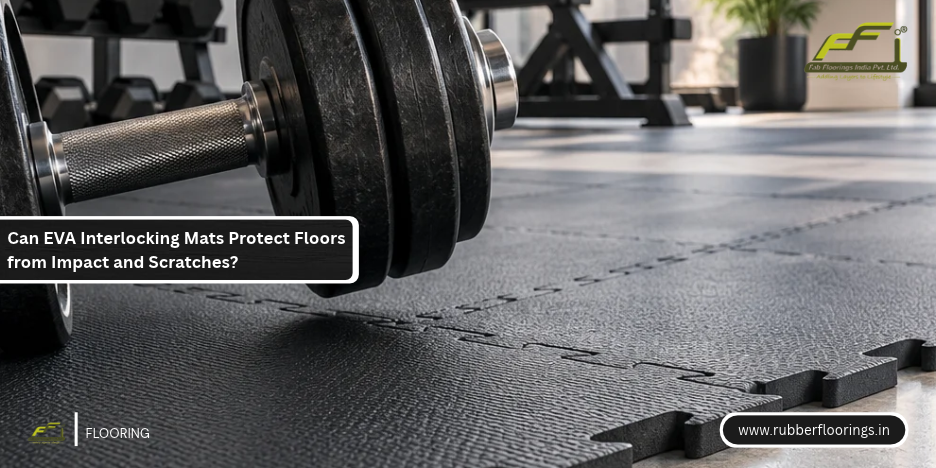
Can EVA Interlocking Mats Protect Floors from Impact and Scratches?
Can EVA Interlocking Mats Protect Floors from Impact and Scratches?
A dropped dumbbell, a dragged chair, or energetic kids playing on the floor can leave behind dents, scratches, and other damage. Replacing or repairing flooring can be expensive, so protecting the surface before damage occurs is a smart move.
EVA interlocking mats offer a practical way to add a protective, cushioned layer over existing floors. Their lightweight foam construction and puzzle-like edges make them useful for home gyms, children's play areas, exercise rooms, and other spaces where comfort and floor protection matter.
But how well do they actually protect against impact and scratches? Let's look at their benefits, limitations, and the best ways to use them.
What Are EVA Interlocking Mats?
EVA stands for ethylene-vinyl acetate, a lightweight, flexible material commonly used to manufacture foam mats. These mats feature interlocking edges that fit together like puzzle pieces, creating a continuous surface without requiring permanent installation.
EVA interlocking mats are available in different thicknesses, textures, colours, and sizes. You can use them to cover selected areas or create a larger cushioned flooring surface.
Common applications include:
- Home workout areas and light exercise spaces
- Children's playrooms and activity zones
- Yoga, stretching, and fitness areas
- Temporary flooring for events and activities
- Workspaces where extra cushioning is helpful
Their main advantage is that they combine cushioning with easy installation, making them a convenient option for many indoor environments.
How Do EVA Interlocking Mats Protect Floors from Impact?
Impact protection is one of the main reasons people choose EVA foam flooring. The material compresses under pressure, helping cushion certain impacts before they reach the underlying floor.
However, the level of protection depends on the mat's thickness, density, quality, and the force involved.
1. Absorbing Everyday Impact
When an object lands on a hard floor, some of its impact energy transfers directly to the surface. EVA foam can compress slightly and help distribute that force over a wider area.
This can help protect floors from everyday impacts caused by:
- Lightweight exercise equipment
- Toys and children's play activities
- Small household objects
- Foot traffic and routine movement
For example, placing EVA mats beneath a stretching area can help reduce direct contact between exercise accessories and a tiled floor.
2. Reducing Pressure from Exercise Equipment
Exercise equipment can place repeated pressure on flooring, particularly when it has small feet or a concentrated contact area.
EVA interlocking mats can provide a cushioning layer beneath lightweight equipment, helping reduce minor scuffs and surface wear.
They are generally better suited to bodyweight workouts, yoga, stretching, and light fitness activities than heavy strength-training setups.
Important: Standard EVA foam mats should not be assumed to protect flooring from heavy dumbbell drops, barbells, or concentrated loads. These activities may compress, tear, or permanently deform the foam. Dense rubber gym flooring or purpose-built impact-absorbing platforms are usually more appropriate for heavy lifting.
3. Minimising Minor Dents and Surface Damage
Furniture legs, equipment bases, and other objects can create pressure points on delicate flooring. A suitable EVA mat can help separate these objects from the floor and reduce direct contact.
The protection is most effective when the load is within the mat's intended capacity and the mat remains flat and stable.
Can EVA Interlocking Mats Prevent Scratches?
Yes, EVA interlocking mats can help reduce scratches, especially those caused by direct contact with small objects, toys, or lightweight equipment.
The foam acts as a barrier between the floor and the items placed on it. This is useful for surfaces such as laminate, vinyl, and finished wood, provided the mat is compatible with the flooring.
Protection Against Furniture and Equipment Scratches
Dragging objects across a floor can create visible scratches. EVA mats help by keeping equipment and activity areas separated from the original surface.
They are particularly useful beneath:
- Children's toys and play equipment
- Lightweight exercise accessories
- Small movable activity stations
- Areas where people regularly kneel, stretch, or exercise
For furniture, use appropriate furniture pads as well. EVA mats are not a complete substitute for protective feet or pads on heavy furniture.
Preventing Scratches from Dirt and Debris
Small particles of sand, grit, and dust can become trapped beneath a mat. When the mat or an object on it moves, these particles may scratch the floor.
To reduce this risk:
- Clean the floor before installing the mats.
- Remove dust and debris from underneath regularly.
- Check for rough or damaged mat edges.
- Avoid dragging the assembled mats across the floor.
- Lift the mats when cleaning underneath them.
This simple maintenance routine can improve both floor protection and the lifespan of the mats.
What Types of Floor Damage Can EVA Mats Help Prevent?
The following table explains where EVA interlocking mats can be useful and where additional protection may be necessary.
|
Type of damage |
Protection level |
Important consideration |
|
Minor surface scratches |
Good in suitable conditions |
Keep dirt and grit from collecting underneath |
|
Light everyday impacts |
Good in suitable conditions |
Depends on mat thickness and object weight |
|
Scuffs from light equipment |
Moderate to good |
Equipment should remain stable |
|
Heavy dumbbell drops |
Limited with standard EVA foam |
Use purpose-built rubber flooring or lifting platforms |
|
Deep dents from heavy furniture |
Variable |
Use load-distributing furniture pads |
|
Moisture-related floor damage |
Not guaranteed |
Trapped moisture may damage some floor finishes |
These ratings are general guidance, not certified performance measurements. Actual results depend on the flooring material, mat specifications, installation conditions, and type of impact.
How to Choose the Right EVA Interlocking Mats for Floor Protection
Not all EVA mats offer the same level of protection. Before purchasing, consider the following factors.
1. Choose the Appropriate Thickness
Mat thickness influences cushioning, comfort, and how the mat responds under pressure.
- Thin mats: Suitable for light activities and basic cushioning where minimal height is preferred.
- Medium-thickness mats: Often suitable for general exercise, stretching, and children's play areas.
- Thicker mats: May offer additional cushioning but can also compress or feel unstable under certain loads.
Thickness alone does not determine impact resistance. Material density, construction, and intended use are equally important.
2. Check Foam Density and Quality
A thicker mat is not automatically more durable than a thinner one. Foam density and material quality affect how the mat responds to repeated pressure.
Look for mats with clearly stated specifications, consistent construction, secure interlocking edges, and a recommended application that matches your needs.
3. Consider the Existing Floor Type
Your floor's material can influence which mat is appropriate.
- Tile: Mats can provide cushioning and help reduce direct contact with objects.
- Laminate: Check compatibility with the flooring manufacturer's recommendations, especially regarding moisture and prolonged covering.
- Vinyl: Confirm that the foam will not discolour or react with the floor finish.
- Wood: Avoid trapping moisture beneath mats and inspect the surface regularly.
- Concrete: Mats can add comfort, although they do not replace specialised flooring for heavy equipment or demanding industrial use.
When in doubt, test a small area first and consult the flooring manufacturer's guidance.
4. Look for Secure Interlocking Edges
Loose connections can cause mats to separate during exercise or play. Choose a design that fits together securely and lies flat on the floor.
For areas with frequent movement, inspect the joints regularly and replace damaged pieces when necessary.
Best Practices for Installing EVA Interlocking Mats
Correct installation helps your mats perform as intended and reduces the risk of accidental floor damage.
- Clean the floor: Remove grit, dust, and small particles before laying the mats.
- Check the surface: Make sure the floor is dry, level, and free from sharp debris.
- Measure the area: Plan the layout to minimise gaps and unnecessary cuts.
- Connect the pieces: Press the interlocking edges together without stretching or forcing them.
- Check stability: Walk across the finished area to identify loose joints or movement.
- Inspect periodically: Lift sections when appropriate to check for moisture, dirt, and changes in the floor's condition.
For large spaces, high-traffic areas, or installations over sensitive flooring, follow the mat manufacturer's installation instructions.
Pro Tip: If you are using EVA interlocking mats over laminate, vinyl, or wood, periodically lift a section to inspect for trapped moisture or grit. A clean, dry surface is essential for reducing the risk of scratches and other damage.
EVA Interlocking Mats vs Rubber Flooring: Which Is Better for Floor Protection?
Both EVA foam mats and rubber flooring can protect existing floors, but they serve different purposes.
|
Feature |
EVA interlocking mats |
Rubber flooring |
|
Material |
Lightweight foam |
Generally denser and heavier |
|
Cushioning |
Often soft and compressible |
Varies by product and density |
|
Installation |
Usually quick and simple |
Depends on tiles, rolls, or other formats |
|
Portability |
Generally easy to move |
Often heavier and less portable |
|
Light-impact protection |
Suitable for many applications |
Suitable when the product is appropriately specified |
|
Heavy gym equipment |
Often unsuitable for demanding loads |
Frequently preferred with appropriate thickness and construction |
|
Typical applications |
Playrooms, stretching, light exercise |
Gyms, equipment zones, and demanding fitness spaces |
Which should you choose?
Choose EVA interlocking mats for lightweight, removable cushioning in play areas and general exercise spaces. Consider rubber flooring for heavier gym equipment, repeated high-impact activity, and demanding workout environments.
For either option, check the manufacturer's load and impact specifications rather than relying on material type alone.
Final Thoughts: Are EVA Interlocking Mats Worth It?
EVA interlocking mats are a practical option for reducing everyday scratches and cushioning light impacts. Their lightweight construction, easy installation, and removable design make them useful for playrooms, stretching areas, and light home workouts.
However, they are not a universal solution for floor protection. Heavy equipment, substantial impact forces, moisture-sensitive flooring, and concentrated loads may require a more specialised product.
Before choosing your mats, consider your floor type, intended use, required cushioning, and the manufacturer's performance specifications.
Looking for the right flooring protection for your space? Compare EVA interlocking mats with rubber flooring options to find a solution that matches your activity level, comfort requirements, and long-term floor protection needs.
Frequently Asked Questions
1. Do EVA interlocking mats protect laminate flooring?
They can help reduce minor scratches and everyday impacts. However, check compatibility with your laminate flooring and inspect underneath the mats regularly to prevent trapped moisture or debris from causing damage.
2. Are EVA foam mats suitable for home gyms?
Yes, they can be suitable for yoga, stretching, bodyweight workouts, and light exercise. For heavy weights or dropped dumbbells, use appropriately rated rubber flooring or a dedicated lifting platform.
3. What thickness of EVA interlocking mat is best?
The right thickness depends on the intended activity, the user's comfort needs, and the type of impact involved. Compare density and performance specifications as well as thickness before choosing.
4. Can EVA mats damage the floor underneath?
They can contribute to problems if dirt, moisture, or incompatible materials become trapped underneath. Proper cleaning, compatibility checks, and regular inspections help reduce these risks.
5. Are EVA interlocking mats waterproof?
EVA foam itself generally resists water absorption, but the assembled flooring system is not necessarily waterproof. Water can pass through joints and become trapped underneath, so spills should be cleaned promptly.
6. How long do EVA interlocking mats last?
Their lifespan depends on material quality, usage, load, cleaning, and maintenance. Mats used for light activities may last longer than those exposed to heavy equipment or frequent concentrated pressure.
7. Can EVA interlocking mats prevent scratches from moving exercise equipment?
EVA interlocking mats can help reduce scratches caused by lightweight exercise equipment by creating a protective layer between the equipment and the floor. However, avoid dragging heavy machines across the mats, as friction and concentrated pressure may damage both the foam and the flooring underneath.
8. Are EVA interlocking mats suitable for children's play areas?
Yes, EVA interlocking mats are commonly used in children's play areas because they provide a soft, cushioned surface for everyday play. Choose mats made from materials tested for applicable safety requirements, ensure the pieces fit securely, and inspect them regularly for damage or loose sections.