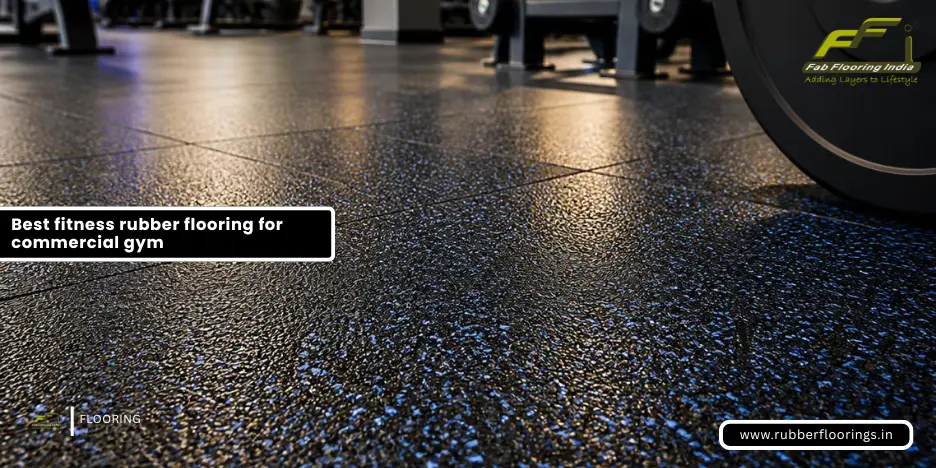
Best fitness rubber flooring for commercial gym
Best Fitness Rubber Flooring for Commercial Gym: The Complete Buyer's Guide
If you're building or upgrading a commercial gym, choosing the right Fitness Rubber Flooring is one of the smartest investments you can make. The right flooring protects your equipment, reduces noise, improves safety, and creates a professional workout environment that lasts for years.
Whether you're opening a new fitness center, renovating a health club, or upgrading a training facility, this guide will help you choose the best fitness gym flooring based on durability, performance, and long-term value.
Why Fitness Rubber Flooring Is the Best Choice for Commercial Gyms
Commercial gyms experience constant foot traffic, heavy weights, and demanding workouts every day. Ordinary flooring simply cannot handle this level of stress.
That's where Fitness Rubber Flooring stands out. It is specifically designed to absorb impact, protect subfloors, and provide a safe, slip-resistant surface for every type of workout.
Key Benefits
- Excellent shock absorption
- Protects concrete and wooden subfloors
- Reduces equipment vibration
- Slip-resistant even during intense workouts
- Easy to clean and maintain
- Long service life
- Available in multiple colors, thicknesses, and designs
For commercial gym owners, these benefits translate into lower maintenance costs and a better experience for members.
Why Flooring Matters More Than Most Gym Owners Think
Many gym owners spend thousands on premium equipment but overlook flooring. The result?
- Damaged floors
- Excessive noise
- Increased injury risk
- Faster equipment wear
- Poor member experience
Quality Fitness Rubber Flooring solves all of these issues while enhancing the overall appearance of your gym.
Types of Fitness Rubber Flooring
Choosing the right flooring depends on your gym's activities.
1. Rubber Tiles
Rubber tiles are one of the most popular choices for commercial gyms.
Best for:
- Weight training areas
- Functional fitness zones
- Personal training studios
Advantages
- Easy installation
- Individual tile replacement
- Professional appearance
- High durability
2. Rubber Rolls
Rubber rolls provide a seamless look and excellent durability.
Ideal for:
- Large fitness centers
- Cardio areas
- Multi-purpose workout spaces
Benefits include:
- Fewer seams
- Fast installation
- Easy maintenance
- Cost-effective for large spaces
3. Interlocking Rubber Mats
These mats connect without adhesive.
Perfect for:
- Temporary gyms
- Home gyms
- Cross-training zones
Advantages include quick installation and portability.
4. Heavy-Duty Rubber Mats
Designed for extreme impact.
Recommended for:
- Olympic lifting
- Deadlift platforms
- Strength training rooms
These mats protect both equipment and flooring from repeated heavy drops.
How to Choose the Best Fitness Rubber Flooring
Several factors determine which flooring is right for your commercial gym.
1. Thickness
Thickness directly affects durability and shock absorption.
|
Gym Area |
Recommended Thickness |
|
Cardio Area |
6–8 mm |
|
Functional Training |
8–10 mm |
|
Free Weights |
10–15 mm |
|
Olympic Lifting |
15–20 mm |
Thicker flooring offers greater impact resistance but costs more.
2. Density
High-density rubber performs better under commercial use.
Choose flooring that:
- Doesn't compress easily
- Maintains its shape
- Supports heavy equipment
- Resists permanent indentations
3. Slip Resistance
Commercial gyms become slippery due to sweat and moisture.
Look for flooring with textured surfaces that improve grip without affecting comfort.
4. Noise Reduction
Heavy weights create significant noise.
Quality Fitness Rubber Flooring absorbs sound, making workouts more comfortable for members while reducing disturbance to neighboring businesses.
5. Durability
Commercial flooring should withstand:
- Thousands of daily footsteps
- Heavy dumbbells
- Weight machines
- Constant cleaning
- Moving equipment
Premium rubber flooring can last 10–20 years with proper maintenance.
Best Areas to Install Fitness Gym Flooring
Different workout zones have different flooring needs.
Free Weight Area
Needs:
- Thick rubber flooring
- Maximum impact absorption
- High-density construction
Cardio Zone
Best options include:
- Rubber rolls
- Medium thickness
- Comfortable walking surface
Functional Training Area
Ideal flooring offers:
- Cushioning
- Excellent traction
- Joint support
Perfect for HIIT workouts and circuit training.
Group Exercise Studios
Yoga, aerobics, and dance classes require flooring that combines comfort and grip while remaining easy to clean.
Important Features to Look For
Before purchasing Fitness Rubber Flooring, check these features:
- High wear resistance
- Impact absorption
- Easy maintenance
- Water resistance
- Anti-slip finish
- UV stability
- Low odor
- Eco-friendly recycled rubber options
- Fire-resistant properties
? Pro Tip: Invest in slightly thicker flooring than your current needs if you plan to expand your gym or add heavier equipment later. The upfront cost is often lower than replacing inadequate flooring in just a few years.
Common Mistakes to Avoid
Many gym owners regret their flooring purchase because they make these mistakes.
Buying Based Only on Price
Cheaper flooring often wears out quickly, leading to higher replacement costs.
Choosing the Wrong Thickness
Thin flooring under heavy weights can crack, compress, or damage the subfloor.
Ignoring Installation Quality
Even premium flooring performs poorly if installed incorrectly.
Professional installation ensures:
- Better appearance
- Longer lifespan
- Improved safety
- Stronger joints
Forgetting Maintenance
Rubber flooring requires regular cleaning to maintain its appearance and hygiene.
Use pH-neutral cleaners and avoid harsh chemicals.
Maintenance Tips for Long-Lasting Performance
Proper care extends the life of your Fitness Rubber Flooring.
Daily
- Sweep dust and debris
- Remove sweat immediately
Weekly
- Damp mop with mild cleaner
- Inspect for loose edges
Monthly
- Deep clean high-traffic areas
- Check seams and joints
- Inspect lifting platforms
Consistent maintenance keeps flooring looking new while reducing long-term costs.
Why Commercial Gyms Prefer Rubber Flooring
Professional fitness facilities choose rubber flooring because it delivers long-term value.
It offers:
- Better member safety
- Reduced equipment damage
- Professional appearance
- Lower maintenance costs
- Excellent return on investment
- Comfortable workout experience
When members notice a clean, durable, and comfortable workout environment, it reflects positively on your brand.
Is Recycled Rubber Flooring a Good Option?
Yes. High-quality recycled rubber flooring is widely used in commercial gyms.
Benefits include:
- Environmentally friendly
- Durable performance
- Excellent shock absorption
- Cost-effective pricing
- Long lifespan
Modern recycled rubber flooring performs almost identically to virgin rubber in many commercial applications.
Final Thoughts
Choosing the best Fitness Rubber Flooring isn't just about appearance—it's about creating a safer, quieter, and more durable workout environment. By selecting the right thickness, density, and installation method, you can protect your investment, enhance member satisfaction, and reduce maintenance costs for years to come.
Ready to Upgrade Your Commercial Gym?
If you're looking for premium Fitness Rubber Flooring and fitness gym flooring solutions, choose a trusted supplier that offers high-quality materials, expert installation, and products tailored to commercial fitness facilities. The right flooring today will support your gym's performance and reputation for years to come.
Frequently Asked Questions
-
What is the best thickness for commercial gym rubber flooring?
For most commercial gyms, 8–10 mm works well for cardio and functional training, while 10–20 mm is recommended for heavy weightlifting areas.
-
Is Fitness Rubber Flooring suitable for heavy gym equipment?
Yes. High-density rubber flooring is specifically designed to support treadmills, squat racks, weight machines, and free weights without excessive wear.
-
How long does commercial rubber gym flooring last?
With proper installation and maintenance, quality Fitness Rubber Flooring can last 10 to 20 years, depending on usage and thickness.
-
Is rubber flooring easy to clean?
Absolutely. Regular sweeping and occasional mopping with a mild, pH-neutral cleaner are usually enough to keep it in excellent condition.
-
Can rubber flooring reduce gym noise?
Yes. Rubber flooring absorbs impact and vibration, significantly reducing noise from dropped weights and exercise equipment.
-
Is fitness gym flooring waterproof?
Most commercial rubber flooring is highly water-resistant, making it suitable for gyms where sweat, spills, and frequent cleaning are common.
- Can Fitness Rubber Flooring be installed over concrete floors?
Yes. Fitness Rubber Flooring can be installed directly over clean, level concrete surfaces. Concrete provides a stable base, ensuring better durability and preventing movement during heavy workouts.
-
Does commercial rubber gym flooring have an odor?
New rubber flooring may have a mild odor initially, but high-quality commercial products are manufactured with low-VOC materials, and the smell typically fades within a few days with proper ventilation.
-
Which color of Fitness Rubber Flooring is best for a commercial gym?
Black rubber flooring with colored flecks is the most popular choice because it hides dirt, resists visible wear, and gives gyms a modern, professional appearance. However, custom colors are available to match your brand identity.
-
Is Fitness Rubber Flooring worth the investment for commercial gyms?
Absolutely. While the initial cost may be higher than standard flooring, Fitness Rubber Flooring offers excellent durability, protects expensive gym equipment, reduces maintenance costs, and provides a safer workout environment, making it a cost-effective long-term investment.