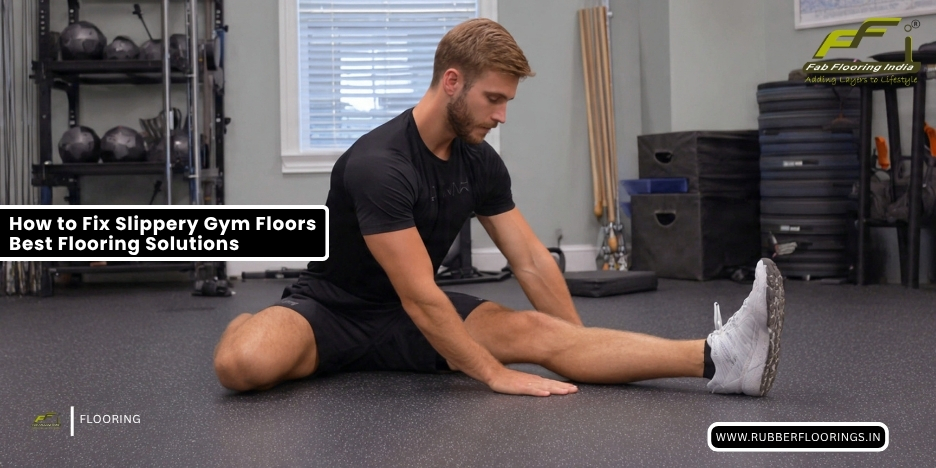
How to Fix Slippery Gym Floors Using the Right Flooring Material
Slippery gym floors are one of the most common—and dangerous—problems in both home and commercial gyms. Whether it’s due to sweat, dust, poor material, or low-quality flooring, a slippery surface can quickly turn a safe workout environment into a serious hazard.
From minor slips to major injuries, poor flooring grip affects not just safety but also performance and confidence during workouts.
The good news is: slippery gym floors can be completely fixed by choosing the right flooring material and setup.
In this detailed guide, we’ll explain why gym floors become slippery, the risks involved, and how the right flooring solution can eliminate the problem permanently.
Why Gym Floors Become Slippery
Before fixing the issue, it’s important to understand the root causes.
1. Sweat and Moisture
Gyms naturally accumulate sweat during workouts.
- Drops of sweat on smooth surfaces
- Moisture buildup from cleaning
This creates a slippery layer.
2. Low-Quality Flooring Material
Cheap flooring often has:
- Smooth surfaces
- Poor grip
- Low friction
These materials become slippery easily.
3. Dust and Dirt Accumulation
Dust and fine particles (especially in cities like Dubai) reduce friction.
- Sand + smooth flooring = dangerous combination
4. Improper Cleaning Methods
Using the wrong cleaning products can leave a slippery residue.
5. Worn-Out Flooring
Old flooring loses its texture over time.
- Surface becomes polished
- Grip reduces
All these factors increase slip risk.
Risks of Slippery Gym Floors
Slippery floors are not just inconvenient—they are dangerous.
1. Injury Risk
- Slips and falls
- Muscle strains
- Joint injuries
2. Poor Workout Performance
- Reduced stability
- Fear during heavy lifts
3. Equipment Instability
Machines and weights may shift during use.
4. Legal and Safety Issues (Commercial Gyms)
- Liability risks
- Customer complaints
Fixing slippery floors is essential.
How the Right Flooring Material Solves the Problem
The best way to fix slippery gym floors is to install high-quality anti-slip flooring.
Key Features of Anti-Slip Gym Flooring
Textured Surface
Provides grip even when wet.
High Friction Material
Prevents sliding.
Moisture Resistance
Does not become slippery with sweat.
Shock Absorption
Adds stability during workouts.
Rubber flooring meets all these requirements.
Best Flooring Materials to Fix Slippery Gym Floors
Rubber Flooring (Best Solution)
Rubber flooring is the most effective anti-slip solution.
Why It Works
- Natural grip
- Textured surface
- Moisture-resistant
- Durable
Ideal For
- Commercial gyms
- Weightlifting areas
- Cardio zones
This is the most recommended solution.
Rubber Tiles
- Easy to install
- Good grip
- Replaceable
Rubber Rolls
- Seamless surface
- No gaps
- Professional finish
EVA Foam Mats (Limited Use)
- Soft and comfortable
- Less stable under heavy load
Best for yoga or light workouts only.
EPDM Flooring (Outdoor Use)
- UV resistant
- Anti-slip
- Weatherproof
Ideal for outdoor gyms in Dubai.
How to Choose Anti-Slip Gym Flooring
1. Check Surface Texture
- Slightly rough = good grip
- Smooth = slippery
2. Test Grip
Rub your shoe on the surface.
3. Check Density
High-density rubber provides better stability.
4. Choose Right Thickness
- 6mm–8mm → Cardio
- 10mm–15mm → General gym
- 20mm+ → Heavy lifting
Thickness improves stability.
Step-by-Step Solution to Fix Slippery Floors
Step 1: Identify Problem Areas
Check where slipping occurs:
- Cardio area
- Weight zone
- Entrance
Step 2: Clean the Surface Properly
Remove:
- Dust
- Sweat residue
Step 3: Replace Low-Quality Flooring
Install high-quality rubber flooring.
Step 4: Use Zoned Flooring
Different areas need different solutions.
Step 5: Ensure Proper Installation
Avoid gaps and uneven surfaces.
Additional Tips to Prevent Slipping
Regular Cleaning
Keep floors clean and dry.
Use Proper Footwear
Encourage non-slip shoes.
Avoid Excess Water
Do not over-wet floors during cleaning.
Maintain Flooring
Replace worn-out sections.
Common Mistakes to Avoid
Using Tiles or Marble
Too smooth and slippery.
Using Cheap Mats
Low grip and unstable.
Ignoring Maintenance
Dirty floors become slippery.
Choosing Wrong Thickness
Too thin = less stability.
Real-Life Example
Gym with Slippery Floor
- Tile flooring
- High accident risk
Gym with Rubber Flooring
- Strong grip
- Safe workouts
The difference is immediate.
Why Rubber Flooring Is the Best Long-Term Solution
Rubber flooring provides:
- Anti-slip safety
- Durability
- Comfort
- Noise reduction
It solves the problem permanently.
Dubai-Specific Considerations
In Dubai:
- Dust and sand increase slipperiness
- Humidity affects flooring
- Premium gyms require safety
Rubber flooring performs best in these conditions.
Final Verdict
Slippery gym floors are caused by poor material and maintenance.
The best solution is:
- High-quality rubber flooring
- Proper installation
- Regular cleaning
This ensures safety and performance.
Conclusion
A slippery gym floor is not just a minor issue—it’s a serious safety risk. The right flooring material can completely eliminate this problem and create a safe, professional workout environment.
By choosing anti-slip rubber flooring, maintaining it properly, and avoiding common mistakes, you can ensure that your gym remains safe, stable, and high-performing.
The right flooring doesn’t just improve grip—it protects your users and your reputation.