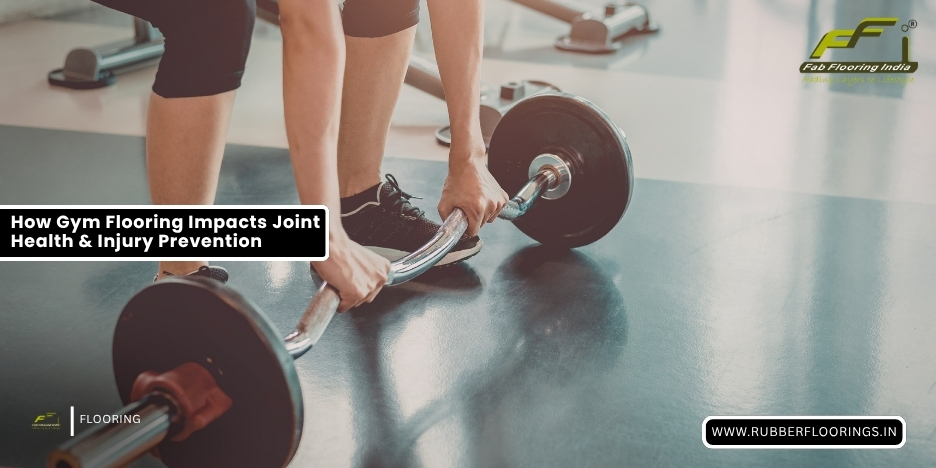
How Gym Flooring Impacts Joint Health and Injury Prevention
When people think about improving their fitness performance, they usually focus on workouts, diet plans, or gym equipment. However, one of the most overlooked yet critical elements of a safe and effective workout environment is gym flooring.
The surface you train on has a direct impact on your joint health, injury risk, comfort, and long-term physical well-being. Whether you are lifting weights, doing cardio, or performing high-intensity workouts, the flooring beneath your feet plays a silent but powerful role in protecting your body.
In this detailed guide, we will explore how gym flooring affects joint health, how it helps prevent injuries, and what type of flooring is best for different workout styles.
Understanding the Connection Between Flooring and Joint Health
Every movement in a gym—walking, running, jumping, or lifting—creates force. This force travels from the ground up through your body.
The impact typically affects:
- Ankles
- Knees
- Hips
- Lower back
- Spine
If the flooring is too hard, your body absorbs most of the shock. Over time, this can lead to joint pain, inflammation, and even long-term injuries.
On the other hand, if the flooring is too soft, it can reduce stability, leading to poor posture and increased risk of falls or muscle strain.
The key is finding the right balance between shock absorption and stability.
The Science of Impact Forces During Exercise
To understand why flooring matters, it’s important to look at how impact works.
During physical activity:
- Walking → 1.2x body weight impact
- Running → 2–3x body weight impact
- Jumping → up to 5x body weight impact
For example, if a person weighing 70 kg jumps, the force on their joints can exceed 300 kg of pressure.
Without proper flooring, this force is transferred directly to the joints, increasing the risk of:
- Cartilage damage
- Joint inflammation
- Stress fractures
How Proper Gym Flooring Reduces Impact
High-quality gym flooring—especially rubber flooring—is designed to absorb and distribute impact.
Shock Absorption Mechanism
Rubber flooring works by:
- Compressing under pressure
- Absorbing energy
- Returning to original shape
This reduces the amount of force transferred to your joints.
Energy Return
Good flooring not only absorbs shock but also provides energy return, helping you move efficiently without excessive strain.
This is particularly beneficial for:
- Running
- Plyometric exercises
- Functional training
Common Joint Problems Caused by Poor Flooring
Using incorrect flooring can lead to several issues over time.
1. Knee Pain
Hard surfaces increase stress on the knee joints, especially during:
- Squats
- Lunges
- Running
This can lead to conditions like patellar tendonitis.
2. Lower Back Pain
Without proper cushioning, impact travels to the spine, causing lower back discomfort.
3. Ankle Injuries
Slippery or unstable flooring increases the risk of:
- Twists
- Sprains
- Loss of balance
4. Stress Fractures
Repeated impact on hard surfaces can lead to small cracks in bones, especially in athletes.
Role of Gym Flooring in Injury Prevention
Proper gym flooring helps reduce the risk of injuries in multiple ways.
1. Shock Absorption Reduces Impact Injuries
By absorbing force, rubber flooring reduces the stress on joints and bones.
This helps prevent:
- Joint inflammation
- Muscle fatigue
- Overuse injuries
2. Anti-Slip Surface Improves Safety
A good gym floor provides grip, even when exposed to sweat.
This reduces the risk of:
- Slips
- Falls
- Accidental injuries
3. Stability Enhances Performance
Stable flooring ensures proper posture during exercises like:
- Deadlifts
- Squats
- Bench presses
This reduces the risk of incorrect form and injuries.
4. Protects Against Equipment Impact
Dropped weights can cause sudden impact.
Rubber flooring absorbs this force, protecting both:
- The floor
- The user
Comparing Different Flooring Types for Joint Health
Rubber Flooring (Best Overall)
Rubber flooring is widely considered the best option for gyms.
Benefits:
- Excellent shock absorption
- High durability
- Anti-slip surface
- Noise reduction
Ideal for:
- Commercial gyms
- Weightlifting areas
- CrossFit zones
EVA Foam Mats (Comfort-Focused)
EVA mats are softer and more comfortable.
Best for:
- Yoga
- Stretching
- Light workouts
Limitations:
- Less durable
- Not suitable for heavy weights
Concrete or Tile Flooring (Worst Option)
Hard flooring offers:
- No shock absorption
- High injury risk
Not recommended for gyms.
Importance of Correct Flooring Thickness
Thickness directly affects how well flooring protects your joints.
Recommended Thickness Guide
- 6mm–8mm → Light workouts
- 8mm–12mm → General gym use
- 12mm–15mm → Strength training
- 15mm–25mm → Heavy lifting
- 25mm+ → CrossFit and Olympic lifting
Thicker flooring provides more cushioning, but only where needed.
Zone-Based Flooring for Maximum Protection
Professional gyms use zoned flooring systems.
Cardio Area
- Moderate impact
- Recommended: 8mm–10mm
Strength Training Area
- Medium to heavy impact
- Recommended: 12mm–15mm
Deadlift Zone
- High impact
- Recommended: 20mm+
Yoga Area
- Comfort-focused
- Recommended: EVA mats or 6mm flooring
Long-Term Benefits of Proper Gym Flooring
Investing in quality flooring offers long-term health benefits.
Reduced Joint Wear
Proper flooring minimizes repetitive stress on joints.
Better Workout Performance
Comfortable flooring allows longer and more effective workouts.
Injury Prevention
Lower risk of injuries leads to consistent training.
Improved Recovery
Reduced strain helps faster recovery between sessions.
Special Considerations for India and Dubai
In countries like India and the UAE:
- Hard flooring is common
- Climate conditions affect materials
- Gyms experience heavy usage
Rubber flooring performs better because:
- It remains flexible in heat
- It handles heavy impact
- It requires low maintenance
Common Mistakes to Avoid
Avoid these mistakes when selecting gym flooring:
- Choosing thin flooring for heavy workouts
- Using foam mats for weightlifting
- Ignoring flooring quality
- Skipping proper installation
These mistakes can lead to injuries and increased costs.
Expert Tips for Joint-Safe Gym Setup
Choose High-Density Rubber Flooring
Density matters more than thickness.
Use Different Flooring for Different Zones
Avoid one-size-fits-all solutions.
Maintain Flooring Regularly
Clean and inspect flooring to ensure safety.
Avoid Training on Bare Concrete
Always use proper gym flooring.
Real-Life Example
Consider two gym setups:
Gym A (Poor Flooring)
- Concrete floor
- No shock absorption
- High injury risk
Result:
- Joint pain
- Reduced performance
Gym B (Proper Rubber Flooring)
- Zoned flooring
- Shock absorption
- Anti-slip surface
Result:
- Better safety
- Improved workouts
- Long-term joint protection
Final Verdict
Gym flooring plays a critical role in protecting your body. It directly impacts how your joints handle stress during workouts.
Rubber flooring is the best choice for most gym environments because it provides the right balance of:
- Shock absorption
- Stability
- Durability
Choosing the right flooring is not just about comfort—it’s about long-term health.
Conclusion
Your joints are your most valuable asset in fitness. Every step, jump, and lift puts pressure on them. The surface you train on determines how much stress your body absorbs.
Investing in proper gym flooring is one of the smartest decisions you can make—not just for performance, but for injury prevention and long-term well-being.
A well-designed gym floor doesn’t just support workouts—it protects your future.