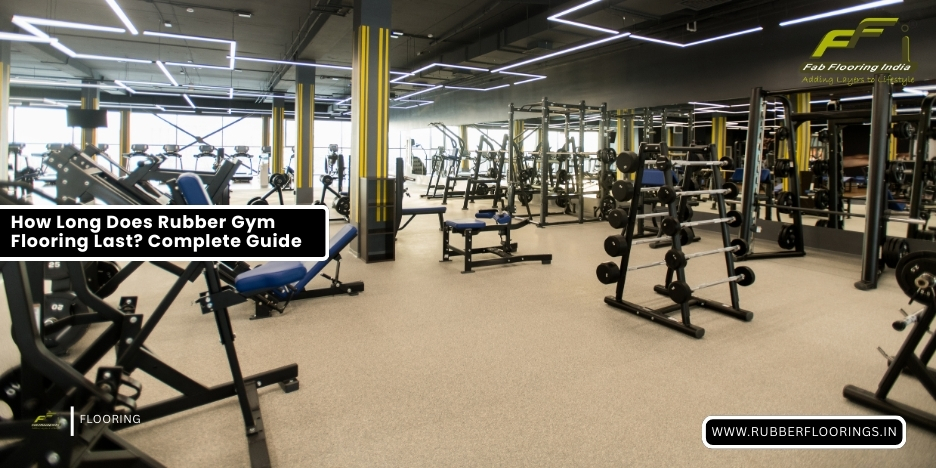
How Long Does Rubber Gym Flooring Last? Complete Guide to Durability and Lifespan
Rubber gym flooring is widely recognized as one of the most durable and reliable flooring options for gyms, fitness studios, sports facilities, and home workout spaces. It is designed to withstand heavy equipment, intense workouts, and high foot traffic. However, many gym owners and fitness enthusiasts often ask one important question: how long does rubber gym flooring actually last?
The lifespan of rubber gym flooring depends on several factors, including the quality of the material, installation method, thickness, gym usage, and maintenance practices. When chosen and installed properly, rubber flooring can last for many years without losing its performance.
This guide explains the expected lifespan of rubber gym flooring, the factors that influence its durability, and how you can extend its life.
Average Lifespan of Rubber Gym Flooring
High-quality rubber gym flooring typically lasts 10 to 20 years in most gym environments.
In commercial gyms with heavy usage, the flooring may last around 8 to 12 years, while in home gyms with lighter usage, rubber flooring can easily last 15 to 20 years or more.
The durability of rubber flooring comes from its natural flexibility and ability to absorb impact. Unlike hard flooring materials, rubber does not crack easily and can withstand repeated stress from weights and equipment.
Because of this, rubber flooring is widely used in:
- Commercial gyms
- CrossFit centers
- Strength training facilities
- Home gyms
- Sports training centers
Why Rubber Flooring Is So Durable
Rubber flooring is specifically designed for high-impact environments. Several characteristics contribute to its long lifespan.
Elasticity and Flexibility
Rubber naturally flexes under pressure and then returns to its original shape. This elasticity allows it to absorb shock from dropped weights without cracking or breaking.
High Impact Resistance
Gym environments involve repeated heavy impacts from barbells, dumbbells, and gym machines. Rubber flooring distributes the force evenly across the surface, protecting both the flooring and the subfloor.
Resistance to Wear and Tear
Rubber flooring is highly resistant to abrasion and surface wear. Even under constant foot traffic and equipment movement, the surface maintains its structure.
Moisture Resistance
Rubber flooring does not absorb moisture easily, making it suitable for gyms where sweat and humidity are common.
Factors That Affect Rubber Gym Flooring Lifespan
Although rubber flooring is highly durable, several factors influence how long it lasts.
Quality of the Rubber Material
The quality of the rubber used in the flooring plays a major role in durability.
High-density rubber flooring typically lasts much longer than low-quality rubber mats. Premium rubber flooring is manufactured to withstand heavy commercial gym environments.
Low-quality flooring may wear out quickly, especially in high-traffic gyms.
Thickness of the Flooring
Thickness directly affects durability and shock absorption.
Common rubber flooring thickness levels include:
- 6mm to 8mm – light workouts and cardio areas
- 10mm to 12mm – multipurpose gym flooring
- 15mm to 20mm – weight training zones
- 20mm+ – heavy deadlift and powerlifting areas
Thicker flooring generally lasts longer because it absorbs impact more effectively.
Type of Gym Usage
The level of activity in a gym also affects flooring lifespan.
Home Gyms
Lower traffic and lighter equipment often mean the flooring lasts longer.
Commercial Gyms
Heavy usage and constant workouts may cause faster wear.
CrossFit Gyms
High-impact workouts may require thicker flooring to maintain durability.
Installation Quality
Proper installation is critical for long-lasting flooring.
- Gaps between tiles
- Flooring movement
- Uneven surfaces
- premature wear
Professional installation ensures the flooring stays stable and performs well.
Maintenance and Cleaning
Regular maintenance helps extend the life of rubber gym flooring.
- Sweeping dust and chalk regularly
- Cleaning spills immediately
- Mopping with mild cleaning solutions
- Avoiding harsh chemicals
Proper care prevents surface damage and keeps the flooring in good condition.
Signs That Rubber Gym Flooring Needs Replacement
- Visible cracks or tears
- Surface hardening or loss of elasticity
- Excessive fading or discoloration
- Loose tiles or edges
- Uneven surfaces
If these issues appear, replacing damaged sections or upgrading the flooring may be necessary.
How to Extend the Life of Rubber Gym Flooring
Gym owners can extend the lifespan of their flooring by following a few best practices.
Use Proper Weightlifting Platforms
Use Appropriate Thickness for Each Zone
Regular Inspection
Avoid Dragging Heavy Equipment
Rubber Flooring Formats and Durability
Rubber Flooring Rolls
Rubber Tiles
Interlocking Rubber Mats
Why Rubber Flooring Is a Long-Term Investment
- Long lifespan
- Reduced maintenance costs
- Protection for gym equipment
- Improved safety for users
Conclusion
Rubber gym flooring is one of the most durable flooring solutions available for gyms and fitness spaces. With proper installation, suitable thickness, and regular maintenance, it can last 10 to 20 years or even longer.
The lifespan depends on factors such as material quality, gym usage, and flooring thickness. Investing in high-quality rubber flooring ensures long-term performance, safety, and floor protection.
For gym owners, choosing the right rubber flooring is not just about durability—it is about creating a safe and professional training environment that supports long-term fitness goals.