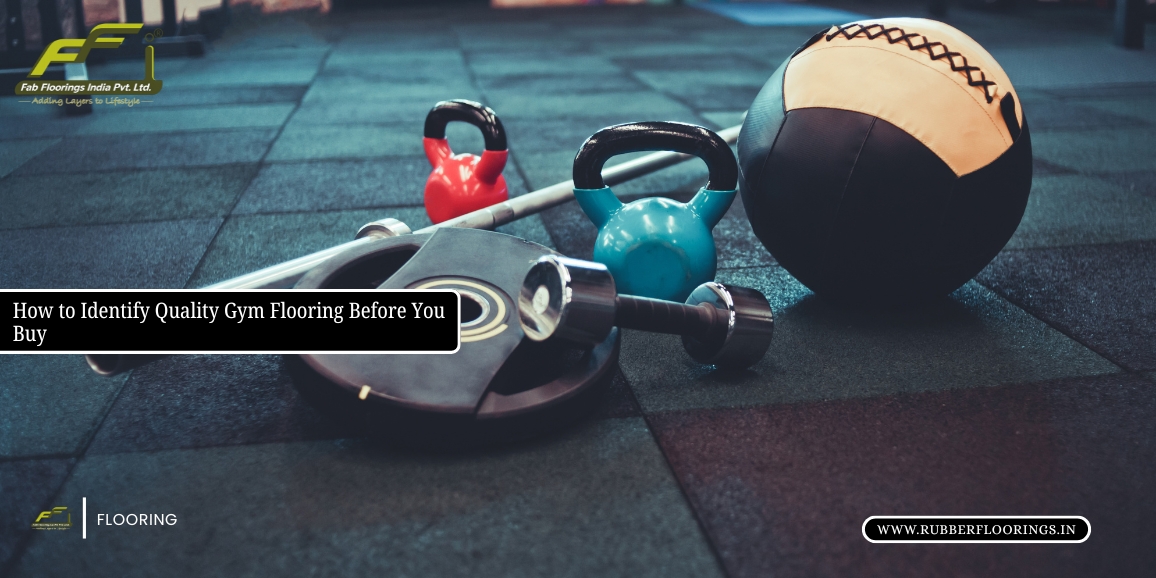
How to Identify Quality Gym Flooring Before You Buy
Choosing gym flooring may seem simple at first, but making the wrong decision can lead to expensive repairs, safety concerns, equipment damage, and frequent replacement costs. Whether you're setting up a home gym, commercial fitness center, CrossFit box, sports facility, or personal workout space, selecting high-quality gym flooring is one of the most important investments you can make.
Unfortunately, many buyers focus only on price, appearance, or thickness and overlook the factors that truly determine flooring performance and durability.
So how can you identify quality gym flooring before you buy?
This guide will help you understand the key features that separate premium gym flooring from low-quality alternatives.
Why Gym Flooring Quality Matters
Gym flooring is constantly exposed to:
- Heavy foot traffic
- Dropped weights
- Gym equipment pressure
- Sweat and moisture
- Daily cleaning
- Continuous impact
Low-quality flooring may initially look attractive, but it often develops problems such as:
- Cracking
- Compression
- Surface wear
- Edge damage
- Odor issues
Investing in quality flooring helps avoid these problems and ensures long-term performance.
Check the Flooring Material
The first step is understanding what material the flooring is made from.
Rubber Flooring
Rubber flooring is one of the most reliable gym flooring options.
Benefits include:
- Excellent durability
- Shock absorption
- Slip resistance
- Long lifespan
High-quality rubber flooring performs well in both commercial and home gyms.
EVA Foam Mats
Foam mats are lightweight and comfortable.
Best for:
- Yoga
- Stretching
- Light workouts
However, they are not suitable for heavy equipment or strength training.
PVC Flooring
PVC flooring is often used in studios and fitness centers.
Benefits include:
- Easy maintenance
- Moisture resistance
- Smooth appearance
The quality depends heavily on the wear layer and manufacturing process.
Evaluate Flooring Density
Many buyers focus only on thickness, but density is equally important.
High-Density Flooring
Provides:
- Better support
- Higher durability
- Improved load distribution
- Longer lifespan
Low-Density Flooring
May:
- Compress quickly
- Lose shape
- Wear out faster
High-density flooring is generally the better choice for gyms.
Inspect the Surface Quality
The surface tells a lot about product quality.
Look for:
- Uniform texture
- Consistent color
- Smooth finishing
- Strong material bonding
Avoid flooring with:
- Visible cracks
- Uneven edges
- Poor finishing
- Loose particles
These signs often indicate poor manufacturing quality.
Test Shock Absorption
Shock absorption is one of the most important features of gym flooring.
Good flooring should:
- Absorb impact effectively
- Reduce stress on joints
- Protect equipment
- Minimize vibration
If possible, request a sample and test how it responds to pressure and impact.
Check Slip Resistance
Safety should always be a priority.
Quality gym flooring provides a secure surface even when exposed to sweat or moisture.
Look for flooring that offers:
- Good grip
- Anti-slip properties
- Stable footing
This is especially important in strength training and functional fitness areas.
Examine Thickness Options
Different activities require different flooring thicknesses.
6mm–8mm Flooring
Suitable for:
- Yoga
- Stretching
- Light cardio
10mm–12mm Flooring
Best for:
- General gym use
- Home gyms
15mm–20mm Flooring
Ideal for:
- Commercial gyms
- Weight training zones
20mm+ Flooring
Recommended for:
- Heavy lifting
- Deadlift areas
- CrossFit spaces
Remember that thickness alone does not determine quality. Density and material composition are equally important.
Assess Odor Levels
One common issue with cheap gym flooring is excessive odor.
Strong smells often indicate:
- Poor-quality recycled materials
- Low-grade binders
- Weak manufacturing standards
High-quality flooring may have a mild initial smell, but it should not be overpowering or persistent.
Check Moisture Resistance
Gym flooring regularly encounters:
- Sweat
- Water spills
- Cleaning solutions
Quality flooring should resist moisture and prevent:
- Swelling
- Mold growth
- Surface damage
Moisture resistance is particularly important in humid regions and commercial gyms.
Review Wear Resistance
A gym floor should maintain its appearance despite heavy use.
Look for flooring that can resist:
- Scratches
- Scuff marks
- Equipment movement
- Foot traffic
Premium flooring usually has better wear resistance and requires less maintenance.
Verify Load-Bearing Capacity
Gym flooring must support heavy loads without permanent deformation.
Consider the weight of:
- Dumbbell racks
- Squat racks
- Functional trainers
- Treadmills
- Weight machines
Quality flooring distributes weight evenly and prevents floor damage.
Check the Manufacturing Process
Not all flooring is manufactured to the same standards.
Ask suppliers about:
- Material composition
- Production methods
- Quality control procedures
Reputable manufacturers are usually transparent about their products.
Consider Installation Quality
Even the best flooring can fail if installed incorrectly.
Look for products that offer:
- Easy installation
- Strong interlocking systems
- Reliable adhesive compatibility
Professional installation improves long-term performance.
Ask About Lifespan
Quality gym flooring should provide years of reliable service.
Typical lifespan:
- Premium rubber flooring: 10–15 years or more
- High-quality PVC flooring: 8–12 years
- Foam mats: shorter lifespan under heavy use
A longer lifespan usually indicates better value.
Compare Maintenance Requirements
Good gym flooring should be easy to maintain.
Look for flooring that requires:
- Simple sweeping
- Occasional mopping
- Minimal special treatment
Lower maintenance means lower operating costs.
Common Signs of Low-Quality Gym Flooring
Avoid flooring that shows:
- Strong chemical odor
- Uneven thickness
- Visible defects
- Poor edge finishing
- Excessive softness
- Weak interlocking connections
These are often warning signs of poor durability.
Questions to Ask Before Buying
Before making a purchase, ask:
- What material is used?
- What is the flooring density?
- What thickness options are available?
- Is it suitable for heavy equipment?
- Is it moisture resistant?
- What is the expected lifespan?
- Is it designed for commercial use?
The answers will help you make a more informed decision.
Why Quality Flooring Saves Money
Although premium flooring costs more initially, it often reduces long-term expenses.
Benefits include:
- Fewer repairs
- Longer lifespan
- Better equipment protection
- Reduced maintenance costs
- Improved user safety
This makes quality flooring a smart investment.
Best Gym Flooring Choice for Most Applications
For most gyms, high-density rubber flooring remains one of the best options because it offers:
- Excellent durability
- Shock absorption
- Slip resistance
- Noise reduction
- Long-term value
It performs well in both residential and commercial environments.
Final Verdict
Identifying quality gym flooring requires more than comparing prices or thicknesses. Material quality, density, durability, shock absorption, moisture resistance, and installation standards all play an important role.
A good gym floor should support workouts, protect equipment, reduce maintenance, and provide years of reliable performance.
Conclusion
Buying gym flooring is a long-term investment. Taking the time to evaluate quality before purchasing can save significant money and prevent future problems.
Whether you're building a home gym or a commercial fitness facility, choosing high-quality flooring ensures better safety, comfort, durability, and overall workout performance.
The best gym flooring is not always the cheapest—it is the flooring that delivers lasting value.