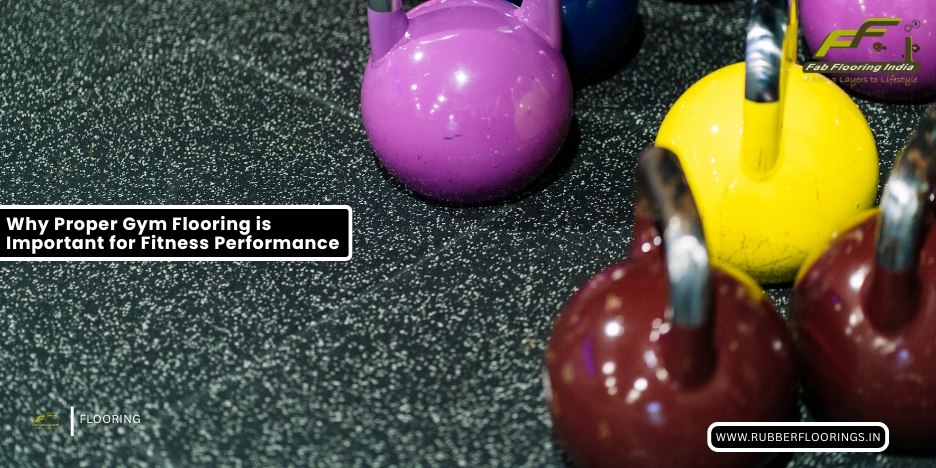
Why Proper Gym Flooring is Important for Long-Term Fitness Performance
When people set up a gym, most of the attention goes toward selecting machines, weights, lighting, and interior design. However, one of the most important parts of any fitness space is often ignored — the gym flooring.
Gym flooring is much more than just a surface beneath your feet. It directly affects safety, workout performance, equipment protection, comfort, and the overall lifespan of the gym environment.
Whether it is a home gym, commercial fitness center, CrossFit studio, yoga space, or sports facility, proper flooring creates the foundation for effective and safe workouts.
In this guide, we’ll explain why proper gym flooring is essential for long-term fitness performance and how choosing the right flooring can improve durability, safety, and workout efficiency.
What is Gym Flooring?
Gym flooring refers to specially designed flooring materials used in fitness environments to support exercise activities and protect both users and equipment.
Unlike normal flooring surfaces such as:
- Tiles
- Marble
- Concrete
- Wood
gym flooring is engineered to handle:
- Heavy impact
- Equipment pressure
- Repetitive movement
- Moisture and sweat
Why Gym Flooring Matters
A good gym floor supports the entire training environment.
It helps with:
- Safety
- Comfort
- Stability
- Noise reduction
- Shock absorption
- Floor protection
Poor flooring can reduce workout quality and create long-term maintenance problems.
Improves Workout Safety
Safety is one of the biggest reasons proper gym flooring is important.
During exercise, users perform movements involving:
- Jumping
- Running
- Weightlifting
- Fast directional changes
Without proper flooring, the risk of injury increases significantly.
Anti-Slip Surface
Gym flooring provides better grip and traction.
This reduces:
- Slipping
- Loss of balance
- Workout accidents
Joint Protection
Hard flooring surfaces create direct impact stress on:
- Knees
- Ankles
- Lower back
Shock-absorbing flooring reduces this stress and improves comfort.
Supports Better Workout Performance
Workout quality depends heavily on movement stability.
Proper gym flooring helps:
- Improve balance
- Maintain posture
- Increase movement control
This leads to better exercise form and movement efficiency.
Shock Absorption Benefits
One of the most important features of gym flooring is shock absorption.
How It Works
When force hits the floor:
- Flooring absorbs part of the impact
- Reduces pressure transfer
This protects:
- Users
- Equipment
- Subfloors
Importance for High-Impact Workouts
Shock absorption is essential for:
- CrossFit
- Functional training
- Running
- Weightlifting
Protects Gym Equipment
Gym equipment is expensive and requires stable flooring support.
Without proper flooring:
- Equipment may shift
- Metal parts may get damaged
- Machines may wear out faster
Gym flooring helps distribute equipment weight evenly and reduces vibration.
Protects the Subfloor
Heavy gym equipment and repeated impact can damage normal floors.
Common problems include:
- Cracked tiles
- Dents in wood
- Concrete stress
Gym flooring acts as a protective barrier and reduces floor damage.
Reduces Noise and Vibration
Noise control is extremely important, especially in:
- Apartments
- Commercial buildings
- Residential gyms
Gym flooring absorbs:
- Impact noise
- Machine vibration
- Weight drops
This creates a quieter and more comfortable workout environment.
Enhances Workout Comfort
Comfort affects training consistency.
Proper flooring provides:
- Better cushioning
- Reduced fatigue
- More comfortable movement
This improves the overall workout experience.
Improves Long-Term Durability
High-quality gym flooring is designed for:
- Heavy traffic
- Repeated impact
- Continuous usage
Good flooring lasts much longer and reduces maintenance costs over time.
Importance of Flooring Material
Different materials offer different performance levels.
Rubber Gym Flooring
The most popular option for gyms.
Benefits
- Excellent durability
- Shock absorption
- Anti-slip performance
- Noise reduction
Suitable for:
- Commercial gyms
- Home gyms
- Weightlifting areas
EVA Foam Mats
Best for:
- Yoga
- Stretching
- Light workouts
Not suitable for heavy equipment.
PVC Flooring
Used for:
- Studios
- Functional training
- Indoor sports spaces
Provides easy cleaning and moisture resistance.
Importance of Flooring Thickness
Thickness affects workout support and floor protection.
6mm–8mm
Suitable for:
- Yoga
- Cardio
10mm–12mm
Ideal for:
- General gym workouts
15mm–20mm
Best for:
- Strength training
- Commercial gyms
20mm+
Recommended for:
- Deadlift zones
- Heavy lifting areas
Why Density Matters
Many people focus only on thickness, but density is equally important.
High-Density Flooring
Provides:
- Better support
- Improved durability
- Better load distribution
Low-Density Flooring
May:
- Compress quickly
- Wear out faster
- Reduce stability
High-density rubber flooring usually performs best.
Moisture and Hygiene Benefits
Gyms constantly experience:
- Sweat
- Moisture
- Dust accumulation
Good gym flooring should be:
- Moisture resistant
- Easy to clean
- Hygienic
This helps maintain a healthier environment.
Why Proper Installation Matters
Even premium flooring performs poorly if installation is incorrect.
Proper Installation Prevents
- Uneven surfaces
- Tile movement
- Edge lifting
- Premature wear
Professional installation improves flooring lifespan significantly.
Gym Flooring for Home Gyms
Home gyms require flooring that:
- Reduces noise
- Protects residential floors
- Supports equipment safely
Rubber flooring and interlocking tiles are popular choices for Indian homes.
Gym Flooring for Commercial Fitness Centers
Commercial gyms face:
- Heavy traffic
- Constant equipment use
- High impact workouts
Commercial spaces require stronger and more durable flooring systems.
Climate Considerations in India
Indian climate conditions affect flooring performance.
Heat Resistance
Flooring should handle high summer temperatures without deformation.
Moisture Resistance
During monsoon season, flooring should resist humidity and moisture damage.
Dust Control
Easy-to-clean flooring performs better in Indian conditions.
Common Mistakes to Avoid
Choosing Cheap Flooring
Low-quality flooring may:
- Crack easily
- Smell strongly
- Compress over time
Ignoring Thickness Requirements
Thin flooring may not protect heavy workout areas properly.
Using Foam Mats for Weightlifting
Foam flooring lacks durability for heavy equipment.
Poor Installation
Uneven flooring reduces workout safety and performance.
Real-Life Comparison
Without Proper Gym Flooring
- More injuries
- Higher noise
- Floor damage
- Equipment instability
With Proper Gym Flooring
- Better safety
- Improved performance
- Reduced maintenance
- Long-term durability
Why Rubber Flooring is Often the Best Choice
Rubber flooring remains the preferred solution because it offers:
- Excellent impact resistance
- Long lifespan
- Strong grip
- Better comfort
- Superior floor protection
It works well for almost all gym environments.
Final Verdict
Proper gym flooring is one of the most important investments for long-term fitness performance.
It improves:
- Safety
- Workout efficiency
- Comfort
- Durability
- Equipment protection
Choosing the right flooring creates a stronger foundation for better workouts and long-term gym performance.
Conclusion
A gym floor does much more than cover the surface beneath your feet. It supports movement, protects equipment, reduces injury risk, and improves the overall training experience.
Whether building a home gym or a commercial fitness center, investing in high-quality gym flooring ensures better safety, performance, and long-term durability.
Strong workouts begin with a strong foundation.