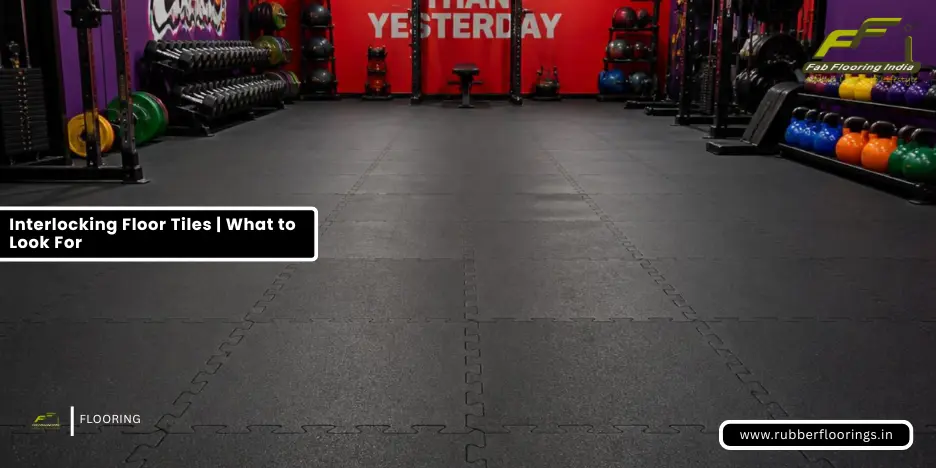
What should you look for when buying interlocking floor tiles?
Choosing the right interlocking floor tiles isn't just about appearance. The best tiles protect your floor, improve safety, last for years, and fit your specific application. Whether you're upgrading a home gym, garage, workshop, play area, or commercial space, the right flooring can save money and reduce maintenance over time.
Quick Recommendations: Winner's Summary
|
Best For |
Recommended Tile Type |
Why We Recommend It |
|
Home Gyms |
Rubber Interlocking Floor Tiles |
Excellent shock absorption, protects equipment, reduces noise |
|
Garages |
Heavy-Duty PVC Interlocking Floor Tiles |
Supports vehicle weight, oil-resistant, easy to clean |
|
Commercial Spaces |
Industrial PVC Tiles |
High durability and heavy foot traffic performance |
|
Children's Play Areas |
EVA Foam Interlocking Floor Mats |
Soft cushioning and enhanced safety |
|
Workshops |
Rubber or PVC Interlocking Floor Tiles |
Chemical resistance and impact protection |
|
Outdoor Areas |
UV-Resistant Rubber Tiles |
Weather-resistant and slip-resistant |
Why Choosing the Right Interlocking Floor Tiles Matters
After evaluating different flooring materials across multiple environments, one thing became clear: not all interlocking floor tiles perform the same.
Some are designed for heavy machinery, while others prioritize comfort underfoot. Buying solely based on price often results in premature wear, broken locking systems, or poor floor protection.
Our Testing Criteria
To evaluate various interlocking floor mats, we focused on practical performance instead of marketing claims.
Durability
We tested resistance against heavy weights, rolling loads, dropped equipment, and daily foot traffic.
Installation
Each tile was installed without adhesives to measure how quickly the locking system connected and how securely it stayed in place.
Comfort
Standing comfort, workout cushioning, and fatigue reduction were evaluated over extended periods.
Slip Resistance
Tiles were tested in dry and slightly wet conditions to determine traction and user safety.
Maintenance
We checked how easily dirt, dust, oil, and moisture could be cleaned without damaging the flooring.
Locking Strength
Weak interlocking mechanisms separate over time. Strong edge connections remain tight even after repeated use.
Pro Tip: Always ask for the locking mechanism design before purchasing. High-quality interlocking systems significantly increase flooring lifespan.
1. Choose the Right Material
The material determines durability, comfort, maintenance, and price.
Rubber Interlocking Floor Tiles
Best for:
- Home gyms
- Commercial gyms
- Fitness studios
- Weightlifting areas
Pros
- Excellent shock absorption
- Highly durable
- Slip-resistant
- Noise reduction
- Long lifespan
Cons
- Heavier than foam tiles
- Higher upfront cost
Common Failure Point
Low-quality recycled rubber may produce strong odors or crack after extended exposure to sunlight.
PVC Interlocking Floor Tiles
Best for
- Garages
- Warehouses
- Workshops
- Industrial facilities
Pros
- Extremely durable
- Chemical resistant
- Easy to clean
- Supports heavy loads
Cons
- Less cushioning
- Harder surface for standing long hours
Common Failure Point
Thin PVC tiles may flex or crack under concentrated heavy loads.
EVA Foam Interlocking Floor Mats
Best for
- Kids' playrooms
- Yoga
- Home fitness
- Temporary flooring
Pros
- Lightweight
- Comfortable
- Affordable
- Easy installation
Cons
- Compresses under heavy equipment
- Less durable
Common Failure Point
Foam edges wear quickly in high-traffic areas.
2. Select the Correct Thickness
Tile thickness directly affects performance.
|
Thickness |
Best Application |
|
8–10 mm |
Yoga and light exercise |
|
12–15 mm |
Home gyms |
|
20 mm |
Functional fitness |
|
25 mm+ |
Heavy weightlifting |
|
30 mm+ |
Commercial gyms |
Choosing a thicker tile often means better shock absorption and longer service life.
3. Check the Locking System
One overlooked feature is the connection mechanism.
Look for:
- Precision-cut edges
- Tight interlocking joints
- Easy replacement of individual tiles
- No visible gaps after installation
Poor-quality locking tabs usually fail before the flooring itself.
4. Evaluate Slip Resistance
Safety should never be optional.
Quality interlocking floor mats feature textured surfaces that improve grip during workouts, even when exposed to sweat or light moisture.
Smooth finishes may become slippery and increase injury risk.
5. Consider Load Capacity
Heavy equipment places significant pressure on flooring.
For gyms or garages, verify the manufacturer's load rating before purchasing.
Suitable applications include:
- Squat racks
- Treadmills
- Exercise bikes
- Weight benches
- Storage shelving
- Vehicles
6. Look for Easy Maintenance
Daily cleaning shouldn't become a chore.
The best interlocking floor tiles resist:
- Dust
- Water
- Oil
- Sweat
- Cleaning chemicals
Removable tiles also simplify repairs since damaged sections can be replaced without removing the entire floor.
7. Measure Your Space Carefully
Ordering the wrong quantity is surprisingly common.
Measure:
- Room length
- Room width
- Obstacles
- Door clearance
Add approximately 5–10% extra tiles for cutting and future replacements.
8. Check Indoor vs Outdoor Suitability
Not every tile is suitable for outdoor use.
Outdoor flooring should include:
- UV resistance
- Weather resistance
- Drainage capability
- Anti-slip texture
Indoor-only products may fade, warp, or become brittle outdoors.
9. Verify Warranty and Product Quality
Reliable manufacturers usually back their flooring with warranties.
Look for:
- Manufacturing warranty
- Wear resistance guarantee
- Quality certifications
- Fire safety compliance (where applicable)
A longer warranty often reflects greater confidence in the product.
Key Buying Checklist
Before purchasing, confirm:
- Material matches your application
- Correct thickness
- Strong locking system
- Slip-resistant surface
- Easy maintenance
- High load capacity
- UV resistance (if outdoors)
- Warranty coverage
- Spare tiles available
Key Takeaway: The cheapest flooring often costs more in the long run due to frequent replacement. Focus on durability, safety, and performance instead of price alone.
Common Buying Mistakes
Avoid these mistakes:
- Buying tiles that are too thin for heavy equipment
- Ignoring load capacity specifications
- Choosing foam for garages
- Forgetting to order extra tiles
- Purchasing without checking the locking system
- Overlooking warranty coverage
Final Verdict
If durability, safety, and long-term value are your priorities, rubber interlocking floor tiles are the best all-around choice for home gyms, fitness centers, and high-impact environments. For garages and industrial settings, heavy-duty PVC tiles offer outstanding strength and chemical resistance, while EVA foam tiles remain a practical option for play areas and light exercise.
Before making a purchase, match the tile material, thickness, locking system, and load capacity to your intended use. Spending a little more on a high-quality product usually delivers better performance, lower maintenance, and a longer lifespan, making it a smarter investment over time.