What is Load Distribution in Gym Flooring and Why It Matters
When setting up a gym, most people focus on equipment, design, and flooring thickness. However, one of the most important technical factors that often gets ignored is load distribution.
Load distribution plays a key role in how your gym flooring performs under pressure. It affects floor durability, equipment safety, user stability, and long-term performance.
If you don’t understand this concept, you may end up choosing flooring that looks good but fails under real gym conditions.
What is Load Distribution?
Load distribution simply means how weight is spread across the floor surface.
Simple Example
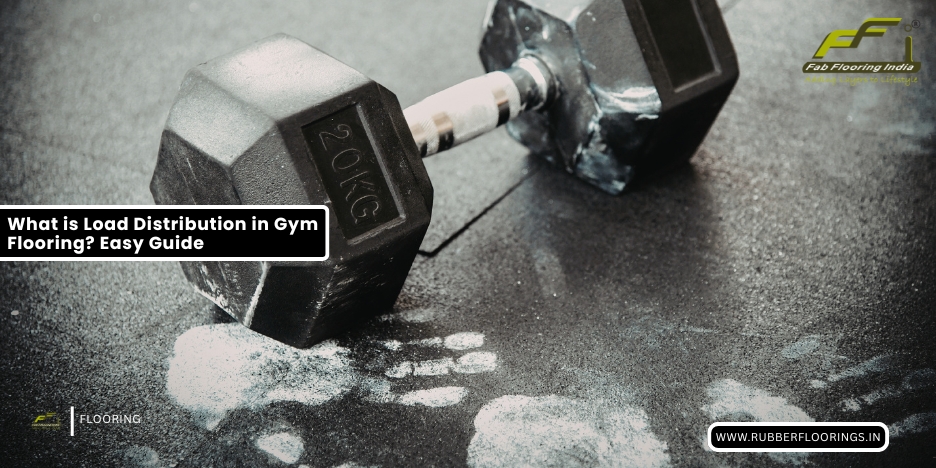
Imagine placing a heavy dumbbell on the floor:
- If the weight is spread evenly, there is less pressure on one spot
- If the weight is concentrated, there is high pressure in one point
Good gym flooring spreads the weight across a larger area. Poor flooring allows weight to focus on a small point.
Why Load Distribution Matters in Gym Flooring
Protects Your Floor
Gyms involve heavy equipment like dumbbells, barbells, and machines.
If the load is not distributed properly:
- Tiles may crack
- Concrete may weaken
- Wooden floors may get damaged
Proper load distribution protects your subfloor.
Prevents Dents and Marks
Weak flooring can develop permanent dents and uneven surfaces.
With good load distribution:
- Pressure spreads evenly
- Surface remains smooth
This keeps your flooring in good condition for a longer time.
Improves Equipment Stability
Stable equipment is essential for safe workouts.
Poor load distribution can cause:
- Equipment imbalance
- Movement during exercise
Good flooring ensures a strong grip and stable base.
Increases Flooring Lifespan
When weight is concentrated in one area, it causes faster wear.
Even load distribution helps:
- Reduce stress
- Increase durability
- Extend lifespan
Enhances User Safety
Uneven or damaged flooring can lead to slips, falls, and injuries.
Even load distribution keeps the surface flat, stable, and safe.
How Load Distribution Works
Load distribution depends on three main factors:
Surface Area
The more surface area, the better the weight spreads.
Example:
- Small contact point leads to high pressure
- Large contact area reduces pressure
Material Density
Density is very important.
High-density flooring:
- Strong
- Distributes weight evenly
Low-density flooring:
- Compresses easily
- Creates uneven pressure
High-density materials perform better.
Flooring Thickness
Thicker flooring helps spread weight across a larger area.
However, thickness alone is not enough. Density is equally important.
Types of Loads in a Gym
Static Load
This includes machines, racks, and benches.
Requirement:
- Strong support
- Even load distribution
Dynamic Load
This includes running, jumping, and movement.
Requirement:
- Flexibility
- Shock absorption
Impact Load
This includes dropping weights and heavy lifting.
Requirement:
- Thick and durable flooring
A good gym floor should handle all three types.
Best Flooring for Load Distribution
Rubber Flooring (Best Option)
Rubber flooring is the most effective solution.
Benefits:
- High density
- Even weight distribution
- Durable under pressure
This is why most gyms use rubber flooring.
Rubber Tiles
- Easy to install
- Good load distribution
- Replaceable
Heavy-Duty Rubber Mats
- Thick and strong
- Ideal for lifting areas
EVA Foam Mats (Not Recommended for Heavy Use)
- Too soft
- Poor load distribution
Suitable only for light workouts.
Recommended Thickness for Better Load Distribution
- 6mm–8mm for light workouts
- 10mm–12mm for general gym use
- 15mm–20mm for strength training
- 20mm and above for heavy lifting
Choose thickness based on your workout type.
Common Problems Without Proper Load Distribution
Floor Damage
- Cracks
- Breakage
Equipment Instability
- Shifting
- Imbalance
Uneven Surface
- Dents
- Soft spots
Increased Maintenance Cost
- Repairs
- Replacement
All these problems can be avoided with the right flooring.
Practical Example
Poor Flooring Setup
- Thin mats
- Low density
Result:
- Dents
- Floor damage
- Equipment instability
Proper Flooring Setup
- High-density rubber flooring
Result:
- Even surface
- No damage
- Long-lasting performance
How to Improve Load Distribution in Your Gym
- Use high-density rubber flooring
- Choose correct thickness
- Use deadlift platforms for heavy lifting areas
- Distribute equipment evenly
- Ensure proper installation
Key Tips for Buyers
- Always check density, not just thickness
- Avoid very cheap flooring
- Test flooring before buying
- Choose trusted suppliers
Final Verdict
Load distribution is one of the most important factors in gym flooring.
It directly affects:
- Floor protection
- Equipment safety
- Durability
- Performance
High-quality rubber flooring provides the best load distribution.
Conclusion
Understanding load distribution helps you choose the right gym flooring and avoid costly mistakes. It ensures that your flooring can handle heavy weights without damage and provides a safe, stable workout surface.
Whether you are setting up a home gym or a commercial fitness center, proper load distribution is essential for long-term performance.