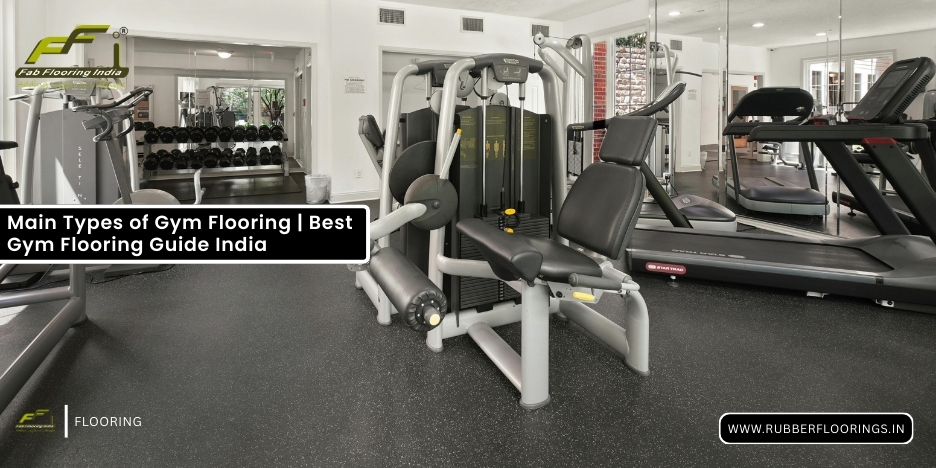
What Are the Main Types of Gym Flooring? Complete Guide for Gyms and Fitness Centers in India
Choosing the right gym flooring is one of the most important decisions when setting up a gym, fitness studio, CrossFit center, or home gym. Gym flooring affects safety, durability, performance, and equipment protection. The correct flooring helps prevent injuries, reduces noise, protects the subfloor, and improves the overall workout experience.
In India, gyms experience heavy foot traffic, equipment usage, and intense workouts. This makes it essential to select flooring designed specifically for gym environments.
There are several types of gym flooring available, each with its own advantages and applications. This guide explains the main types of gym flooring, their benefits, and how to choose the best option.
Why Gym Flooring Is Important
Gym flooring is more than just a surface. It provides safety, comfort, and durability.
Proper gym flooring helps with:
-
Shock absorption
-
Injury prevention
-
Floor protection
-
Noise reduction
-
Equipment stability
Without proper flooring, gym equipment and dropped weights can damage the original floor.
Gym flooring also improves user safety and comfort.
Rubber Flooring – The Most Popular Gym Flooring Option
Rubber flooring is the most widely used gym flooring in India and around the world.
It is commonly used in:
-
Commercial gyms
-
Fitness studios
-
CrossFit centers
-
Home gyms
Rubber flooring provides excellent durability and safety.
Benefits of Rubber Gym Flooring
Rubber flooring offers several advantages:
-
Excellent shock absorption
-
Anti-slip surface
-
High durability
-
Noise reduction
-
Floor protection
-
Easy maintenance
Rubber flooring is suitable for heavy equipment and intense workouts.
It is available in rolls, tiles, and mats.
Many gym flooring manufacturers, including fabflooringsindia.com, provide rubber flooring solutions designed specifically for gym environments.
Rubber Gym Flooring Rolls
Rubber rolls are ideal for covering large areas.
They provide seamless and professional flooring.
Advantages of Rubber Rolls
-
Smooth and uniform appearance
-
Durable and long-lasting
-
Ideal for commercial gyms
Rubber rolls are commonly used in large gyms.
Rubber Gym Tiles
Rubber tiles are modular flooring options.
They are easy to install and replace.
Advantages of Rubber Tiles
-
Easy installation
-
Easy replacement
-
Flexible layout
Rubber tiles are suitable for both home and commercial gyms.
Interlocking Rubber Mats
Interlocking mats are popular for home gyms.
They can be installed easily without adhesive.
Advantages of Interlocking Mats
-
Easy installation
-
Portable
-
Cost-effective
They are ideal for small gyms and personal workout areas.
EVA Foam Flooring
EVA foam flooring is lightweight and soft.
It is commonly used in:
-
Yoga studios
-
Martial arts training
-
Home gyms
Advantages of EVA Foam Flooring
-
Soft surface
-
Comfortable
-
Easy installation
However, EVA foam is less durable than rubber flooring.
It is not suitable for heavy weightlifting.
PVC Gym Flooring
PVC flooring is used in commercial fitness centers.
It provides durability and flexibility.
Advantages of PVC Flooring
-
Durable
-
Water-resistant
-
Easy maintenance
PVC flooring is suitable for moderate gym usage.
Artificial Turf Gym Flooring
Artificial turf is used in functional training areas.
It is commonly used in:
-
CrossFit gyms
-
Functional training zones
Advantages of Artificial Turf
-
Durable
-
Suitable for sled training
-
Professional appearance
It is commonly used in modern gyms.
Carpet Gym Flooring
Carpet flooring is used in some fitness areas.
It provides comfort and appearance.
Advantages of Carpet Flooring
-
Comfortable
-
Attractive
However, carpet is not suitable for weightlifting areas.
It requires more maintenance.
Heavy-Duty Gym Mats
Heavy-duty mats are designed for strength training.
They are used in:
-
Weightlifting areas
-
Strength training zones
Advantages of Heavy-Duty Mats
-
Maximum protection
-
High durability
They protect floors from heavy impact.
Comparing Different Types of Gym Flooring
| Flooring Type | Durability | Shock Absorption | Best Use |
|---|---|---|---|
| Rubber Flooring | Excellent | Excellent | Commercial gyms |
| EVA Foam | Moderate | Good | Home gyms, yoga |
| PVC Flooring | Good | Moderate | Fitness studios |
| Artificial Turf | Good | Moderate | Functional training |
| Carpet | Moderate | Low | Light workout areas |
Rubber flooring provides the best overall performance.
Best Gym Flooring for Different Applications
Different gym areas require different flooring.
Commercial Gym
Rubber flooring rolls and tiles are best.
Home Gym
Rubber mats and interlocking mats are ideal.
Weightlifting Areas
Heavy-duty rubber flooring is recommended.
Fitness Studios
Rubber flooring and PVC flooring are suitable.
Factors to Consider When Choosing Gym Flooring
Important factors include:
Durability
Flooring must withstand heavy usage.
Thickness
Thicker flooring provides better protection.
Safety
Anti-slip surface improves safety.
Maintenance
Easy maintenance reduces effort.
Budget
Choose flooring based on budget and usage.
Why Rubber Flooring Is the Best Gym Flooring Option
Rubber flooring provides the best combination of durability, safety, and performance.
It is suitable for all gym environments.
Benefits include:
-
Long lifespan
-
Excellent shock absorption
-
Floor protection
-
Safety and comfort
It is the most recommended gym flooring.
Choosing a Reliable Gym Flooring Supplier
Selecting a reliable supplier ensures quality flooring.
Reliable suppliers offer:
-
High-quality materials
-
Multiple flooring options
-
Proper thickness options
For example, fabflooringsindia.com provides gym flooring solutions including rubber rolls, tiles, and mats suitable for home gyms and commercial gyms across India.
Choosing quality flooring ensures long-term performance.
Installation and Maintenance Tips
Installation tips:
-
Install on flat surface
-
Choose proper thickness
-
Measure area accurately
Maintenance tips:
-
Clean regularly
-
Avoid harsh chemicals
Proper maintenance increases lifespan.
Conclusion
There are several types of gym flooring available, including rubber flooring, EVA foam, PVC flooring, artificial turf, and carpet flooring. Each type has its own benefits and applications.
Rubber flooring remains the best choice for gyms due to its durability, safety, and performance.
Choosing the right gym flooring improves safety, protects floors, and enhances workout experience.
Investing in quality gym flooring ensures long-term durability and performance.