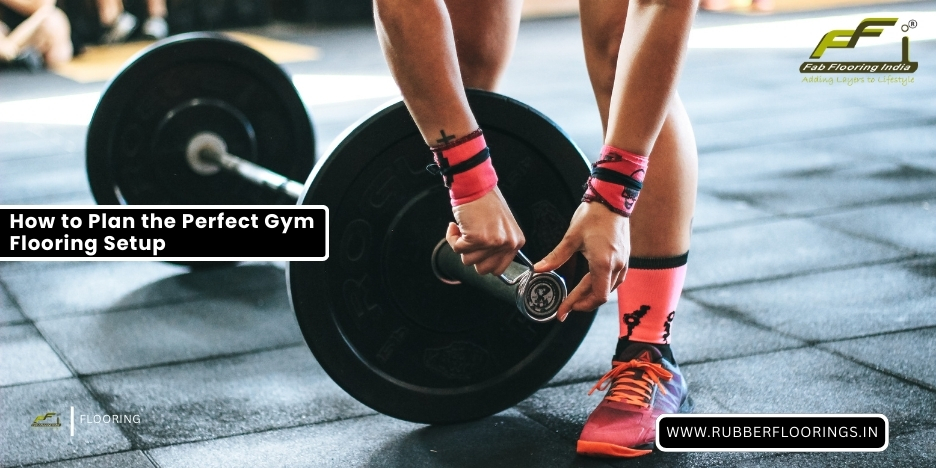
How to Plan the Perfect Gym Flooring Setup for Safety, Durability, and Performance
Setting up a gym—whether it’s a commercial fitness center, boutique studio, CrossFit box, or home workout space—requires careful planning. Most gym owners focus heavily on equipment selection, branding, lighting, and layout. However, one of the most critical components of a successful gym setup is often underestimated: the flooring.
Gym flooring is not just about appearance. It directly impacts safety, durability, noise control, user comfort, and equipment lifespan. Poor flooring can lead to injuries, damaged subfloors, excessive noise complaints, and frequent maintenance costs. On the other hand, a well-planned gym flooring setup enhances performance, protects your investment, and creates a professional training environment.
This complete guide will walk you through how to plan the perfect gym flooring setup for maximum safety, durability, and long-term performance.
Step 1: Understand Your Gym Type and Usage
Before selecting any flooring, you must clearly define the purpose of your gym space.
Different gym types require different flooring solutions:
-
Commercial gyms with heavy foot traffic
-
Strength training and weightlifting gyms
-
CrossFit and functional training centers
-
Yoga and fitness studios
-
Home gyms
-
School or institutional fitness rooms
For example, a yoga studio does not require the same thickness or impact resistance as a weightlifting gym. Planning begins with understanding your training style and equipment load.
Ask yourself:
-
Will members drop heavy weights?
-
Will there be cardio machines?
-
Is sled training involved?
-
How many users will train daily?
The answers determine flooring thickness, material type, and layout.
Step 2: Divide the Gym Into Functional Zones
One of the biggest mistakes in gym flooring planning is using the same flooring throughout the entire space. A well-designed gym divides the floor into zones based on activity.
Strength Training Zone
This area includes squat racks, benches, deadlift platforms, and free weights. It requires thick, high-impact flooring.
Recommended features:
-
Heavy-duty rubber flooring
-
12mm to 20mm thickness
-
High shock absorption
Cardio Zone
Treadmills, bikes, and ellipticals create vibration but not heavy impact.
Recommended features:
-
6mm to 10mm rubber flooring
-
Vibration absorption
-
Stable surface
Functional Training / CrossFit Area
This zone involves high-intensity workouts, sled pushes, and weight drops.
Recommended features:
-
15mm to 25mm rubber flooring
-
Turf sections (optional)
-
Maximum durability
Stretching or Yoga Area
Comfort is more important than heavy impact protection here.
Recommended features:
-
6mm to 8mm cushioned flooring
-
Comfortable surface
-
Anti-slip finish
Planning zone-wise improves safety and saves cost by using the correct thickness only where required.
Step 3: Choose the Right Flooring Material
There are several gym flooring materials available, but rubber flooring remains the most preferred option for performance and durability.
Rubber Flooring
Rubber flooring is widely used because it offers:
-
Excellent shock absorption
-
Anti-slip surface
-
Long lifespan
-
Noise reduction
-
Floor protection
It is available in rolls, tiles, and interlocking mats.
EVA Foam Flooring
Soft and lightweight, suitable for light workouts or kids’ areas.
Not ideal for heavy weightlifting.
PVC Flooring
Used in multipurpose studios and lighter commercial spaces.
Artificial Turf
Often used in functional training zones for sled pushes.
Each material serves a different purpose, but rubber flooring provides the best overall performance for most gym setups.
Step 4: Select the Correct Flooring Thickness
Thickness is one of the most important factors in gym flooring planning.
Here’s a practical thickness guide:
-
6mm – Light workouts and yoga
-
8mm – Home gyms and cardio
-
10mm to 12mm – Moderate strength training
-
15mm to 20mm – Commercial weightlifting areas
-
20mm+ – CrossFit and heavy lifting
Thicker flooring offers:
-
Better impact absorption
-
Improved floor protection
-
Increased durability
However, unnecessary thickness increases cost. Always match thickness with usage.
Step 5: Focus on Safety Features
Safety should never be compromised.
Look for flooring that offers:
Anti-Slip Surface
Sweat and moisture are common in gyms. A textured rubber surface prevents slipping.
Shock Absorption
Absorbing impact protects joints and reduces injury risk.
Stability
The flooring should not shift under heavy equipment.
Fire Resistance (For Commercial Gyms)
Important for safety compliance in commercial spaces.
Step 6: Plan for Noise and Vibration Control
Noise complaints are common, especially in urban areas and residential buildings.
Dropping weights and heavy machine usage can create vibration.
Rubber flooring helps:
-
Absorb impact sound
-
Reduce vibration transfer
-
Protect subfloors
For upper-floor gyms, thicker rubber flooring is strongly recommended.
Step 7: Consider Subfloor Preparation
Even the best flooring will fail if installed on an uneven surface.
Before installation:
-
Ensure the subfloor is clean
-
Make sure it is level
-
Repair cracks or damage
-
Remove dust and debris
Proper surface preparation improves durability and lifespan.
Step 8: Choose Between Rolls, Tiles, and Mats
Different formats suit different needs.
Rubber Rolls
Best for large commercial gyms.
Provides seamless finish and professional look.
Rubber Tiles
Easy to install and replace.
Suitable for mid-sized gyms.
Interlocking Mats
Ideal for home gyms.
Easy DIY installation.
Step 9: Think Long-Term Durability
Gym flooring is a long-term investment.
Choose flooring that:
-
Resists wear and tear
-
Handles heavy equipment
-
Maintains appearance over time
Cheap flooring may save money initially but increases replacement cost later.
Durable rubber flooring can last 8–15 years or more with proper maintenance.
Step 10: Plan Maintenance and Cleaning
Easy maintenance ensures hygiene and longevity.
Rubber flooring typically requires:
-
Regular sweeping
-
Occasional mopping
-
Avoiding harsh chemicals
Low-maintenance flooring reduces operational cost.
Step 11: Budget Smartly
When planning a gym flooring setup, consider:
-
Material cost
-
Installation cost
-
Maintenance cost
-
Replacement cost
Investing slightly more in high-quality flooring saves money long-term.
Step 12: Work With Experienced Flooring Suppliers
Choosing a reliable manufacturer ensures quality and durability.
Experienced suppliers provide:
-
Correct thickness guidance
-
Custom flooring solutions
-
Durable materials
-
Professional support
For example, companies like fabflooringsindia.com provide rubber flooring solutions specifically designed for commercial gyms, fitness studios, and home gym setups in India.
Working with experienced suppliers ensures your flooring performs well under heavy usage.
Common Mistakes to Avoid
Avoid these mistakes:
-
Using one thickness for entire gym
-
Choosing thin flooring for weightlifting
-
Ignoring subfloor preparation
-
Selecting low-quality materials
-
Skipping zone planning
Proper planning prevents costly errors.
Final Thoughts
Planning the perfect gym flooring setup requires more than simply buying rubber mats. It involves understanding gym usage, dividing training zones, selecting proper thickness, ensuring safety features, and focusing on long-term durability.
The right gym flooring:
-
Protects users
-
Extends equipment lifespan
-
Reduces noise
-
Improves comfort
-
Enhances gym appearance
A well-planned flooring setup creates a professional training environment that supports safety, durability, and peak performance.
Investing in high-quality gym flooring is not an expense—it is a long-term investment in safety and success.