Recycled Rubber Flooring – Is It Durable?
Recycled rubber flooring has become a popular choice in India for gyms, commercial buildings, play areas, factories, and even homes. As sustainability gains importance, many buyers are interested in flooring made from recycled materials. However, one question is asked again and again:
Is recycled rubber flooring really durable, or is it just a cheaper alternative?
There is a common belief that recycled materials are weaker or short-lived. In reality, recycled rubber flooring is designed to handle tough conditions and is widely used in high-impact and high-traffic environments. Its durability depends on how it is manufactured, the quality of raw materials used, and whether it is installed in the right application.
This blog explains the durability of recycled rubber flooring in simple terms and helps you decide whether it is the right choice for your space.
What Is Recycled Rubber Flooring Made From?
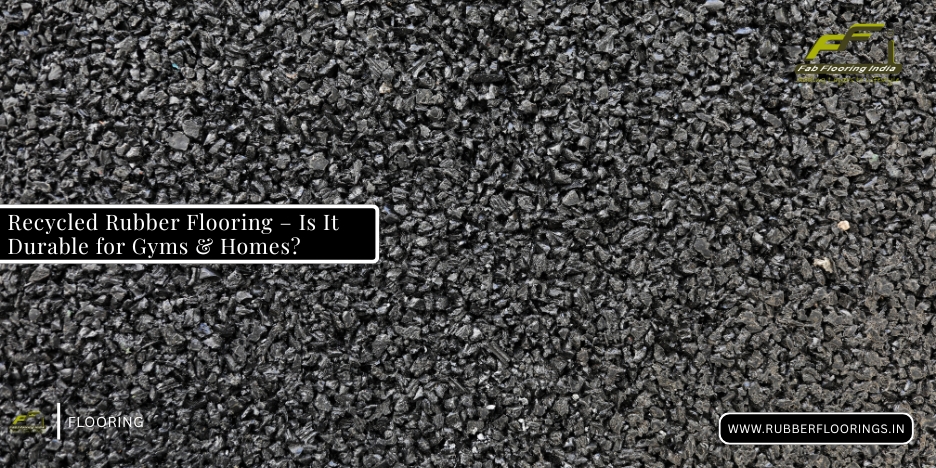
Recycled rubber flooring is manufactured using rubber waste, mainly sourced from used vehicle tyres and industrial rubber scrap. These materials are processed into rubber granules or tyre crumb, cleaned thoroughly, and then bonded under high pressure using industrial-grade binders.
The final product is a dense, flexible, and impact-resistant flooring material commonly used in gyms and commercial spaces. The quality of recycled rubber granules plays a major role in determining how strong and long-lasting the flooring will be.
Why Recycled Rubber Flooring Is Widely Used
Recycled rubber flooring is popular because it offers a strong balance between durability, performance, and cost.
Some key reasons for its wide use include:
-
High resistance to impact and abrasion
-
Excellent shock absorption
-
Good grip and slip resistance
-
Long service life under heavy use
-
More affordable compared to virgin rubber flooring
Because of these properties, it is commonly used in gyms, sports facilities, schools, warehouses, and residential fitness areas.
Is Recycled Rubber Flooring Durable?
Yes, recycled rubber flooring is durable when the right quality and thickness are selected.
Durability mainly depends on four factors:
Quality of Rubber Granules
The strength of recycled rubber flooring starts with the raw material. Flooring manufactured using well-processed rubber granules and tyre crumb has better density and stronger bonding.
Many industrial flooring products are made using recycled rubber granules sourced from specialised manufacturers that process tyre rubber for sports and flooring applications. Consistent granule size and proper cleaning during processing help improve the final flooring performance.
Density and Compression
High-density recycled rubber flooring can easily handle:
-
Heavy foot traffic
-
Gym equipment load
-
Dropped weights
-
Repetitive impact
Low-density products may feel soft initially but wear out faster. For long-term durability, density is more important than appearance.
Thickness of the Flooring
Thickness directly affects how long recycled rubber flooring will last.
-
8–10 mm flooring is suitable for light use and home gyms
-
12–15 mm flooring works well for commercial gyms and studios
-
20 mm and above flooring is ideal for heavy weightlifting and industrial use
Choosing the correct thickness ensures better impact absorption and longer floor life.
Correct Application Area
Recycled rubber flooring performs best when used in suitable environments. Using gym-grade flooring in gyms and industrial-grade flooring in factories ensures maximum durability and safety.
Performance in Different Applications
Recycled Rubber Flooring in Gyms
Gyms are one of the most demanding environments for flooring. Recycled rubber flooring performs very well in gyms because it:
-
Absorbs shock from dropped dumbbells and barbells
-
Protects concrete and tiled subfloors from damage
-
Reduces noise and vibration
-
Handles constant equipment movement
Most gym rubber tiles and rolls used in India are manufactured using recycled rubber granules.
Commercial and Industrial Use
In commercial and industrial environments such as factories, warehouses, and workshops, recycled rubber flooring is used in:
-
Loading and unloading zones
-
Machine and equipment areas
-
Walkways and standing workstations
Its ability to handle abrasion, vibration, and long working hours makes it suitable for industrial use when the correct grade is selected.
Home and Residential Use
For home gyms and indoor play areas, recycled rubber flooring provides:
-
Floor protection
-
Noise reduction
-
Comfort underfoot
-
Long life with minimal maintenance
In residential applications, recycled rubber flooring often lasts longer due to lower impact levels.
How Long Does Recycled Rubber Flooring Last?
When manufactured properly and installed correctly, recycled rubber flooring can last:
-
Around 8–10 years in commercial gyms
-
10–15 years in home gyms and low-impact areas
-
Many years in industrial environments with proper care
Its lifespan is influenced more by usage intensity and material quality than by the fact that it is recycled.
Recycled Rubber Flooring vs Virgin Rubber Flooring
Many buyers compare recycled rubber flooring with virgin rubber flooring before making a decision.
Recycled rubber flooring is made from tyre crumb and rubber granules. It is slightly firmer, highly impact-resistant, cost-effective, and environmentally friendly.
Virgin rubber flooring is made from new rubber compounds, offers a smoother and more uniform finish, and usually comes at a higher cost.
For gyms and commercial spaces, recycled rubber flooring offers more than enough durability at a better value.
Benefits of Recycled Rubber Flooring
-
Strong impact and shock absorption
-
Slip resistance in sweaty or wet conditions
-
Noise and vibration control
-
Easy cleaning and low maintenance
-
Long-term cost savings
-
Sustainable and eco-friendly flooring solution
These benefits make recycled rubber flooring a practical choice for high-traffic and high-impact areas.
Importance of Raw Material Quality
The durability of recycled rubber flooring is closely linked to the quality of recycled rubber granules used during manufacturing. Reliable sources of tyre crumb and rubber granules ensure:
-
Strong bonding
-
Uniform density
-
Better resistance to wear and tear
Understanding the origin and processing of recycled rubber materials helps buyers choose better-quality flooring.
Choosing the Right Recycled Rubber Flooring
Before purchasing recycled rubber flooring, consider:
-
Type of use (gym, home, or commercial)
-
Weight and equipment load
-
Required thickness
-
Installation method
Experienced flooring suppliers like rubberfloorings.in help buyers select the right recycled rubber flooring based on actual usage needs rather than price alone.
Conclusion: Is Recycled Rubber Flooring Durable?
Yes, recycled rubber flooring is durable, reliable, and suitable for demanding environments. When manufactured using quality recycled rubber granules and installed correctly, it performs exceptionally well in gyms, commercial spaces, and homes.
It offers long life, safety, cost efficiency, and environmental benefits, making it a smart flooring choice for Indian buyers.