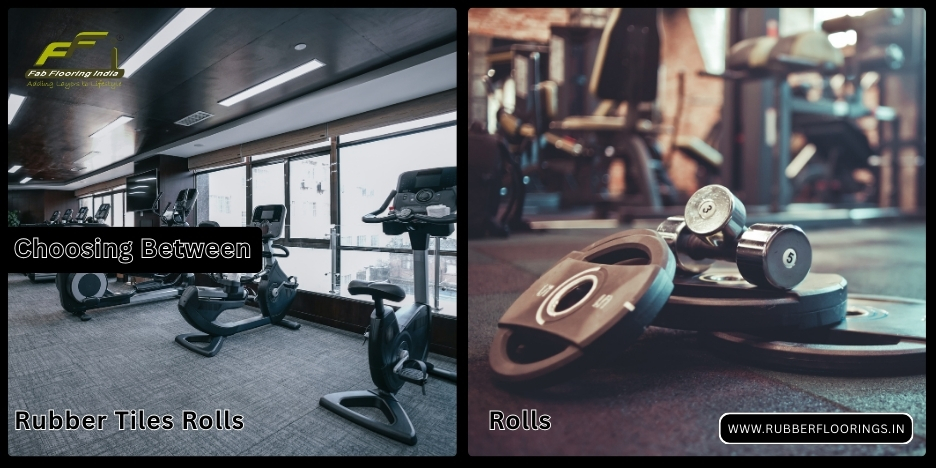
Choosing Between Rubber Tiles and Rolls
Understanding these options is key to making an informed decision. Both types are popular for their durability and versatility.
Rubber tiles are often favored for their ease of installation. They are ideal for DIY enthusiasts and small spaces.
Rubber rolls, on the other hand, provide a seamless look. They are perfect for large areas and commercial settings.
This guide will help you weigh the pros and cons of each option.
Understanding Rubber Flooring Types
Rubber flooring comes in two main forms: tiles and rolls. Each type serves different purposes and has distinct features. Understanding these can help you choose the perfect option.
Rubber tiles are modular, available in various colors and designs. They are great for creative projects where personalization matters.
Rubber rolls provide continuous coverage and minimize seams. This makes them ideal for areas requiring a uniform and smooth surface.
These flooring types share some common benefits. They are durable, slip-resistant, and made from eco-friendly materials.
Here's a quick comparison:
-
Tiles: Easy installation, design flexibility, simpler replacement.
-
Rolls: Seamless appearance, efficient for large spaces, more challenging installation.
Rubber Floor Tiles: Features, Pros, and Cons
Rubber floor tiles offer a versatile flooring solution that blends functionality with style. They are available in numerous colors and textures, making them suitable for various spaces.
These tiles are typically easy to install. Many feature interlocking edges, allowing quick fitting without adhesives. This makes them ideal for DIY enthusiasts.
One notable advantage of rubber tiles is their replaceability. Damaged tiles can be swapped individually, saving effort and cost.
However, tiles do have seams where dirt can accumulate. Regular cleaning is essential to maintain their appearance and hygiene.
Rubber floor tiles are suitable for high-traffic areas. Their durability makes them a popular choice for gyms and playgrounds.
Here's a summary of their key features:
-
Installation: Simple, often requires no adhesives.
-
Designs: Wide variety, customizable patterns.
-
Maintenance: Easy to clean but needs regular sweeping.
Advantages of Rubber Tiles
Rubber tiles come with several compelling benefits. They offer the flexibility to create custom patterns, enhancing your space's visual appeal.
Installation is straightforward, often requiring no glue. This saves on both labor and materials.
Damage doesn't mean a full replacement. Individual tiles can be easily replaced if needed.
Advantages summary:
-
Design Flexibility: Customization and variety.
-
Ease of Installation: No need for adhesives.
-
Replaceability: Easy to change specific tiles.
Disadvantages of Rubber Tiles
Despite their benefits, rubber tiles have drawbacks. They may present more seams compared to rubber rolls, which can affect aesthetics.
Regular cleaning becomes essential to keep dirt from accumulating between tiles.
Additionally, tiles might be less cost-effective than rolls for large areas due to higher labor and material costs.
Disadvantages summary:
-
Seams: More visible compared to rolls.
-
Maintenance: Frequent cleaning needed.
-
Cost: Potentially higher for large spaces.
Rubber Rolls: Features, Pros, and Cons
Rubber rolls are a practical option for flooring, especially in expansive areas. They come in large sheets that create a seamless surface, which is beneficial for aesthetic and hygiene reasons.
Although heavier and bulkier than tiles, rubber rolls reduce material waste. They cover large areas efficiently, making them cost-effective for commercial spaces.
However, rubber rolls usually demand professional installation. Their size and weight can pose challenges for a DIY project.
Unlike tiles, rolls require adhesive for secure fitting. This adds to the overall installation cost and complexity.
Rubber rolls excel in gyms and fitness studios, thanks to their shock absorption and uniform appearance.
Here's a quick look at their features:
-
Installation: Requires adhesive, often needs professionals.
-
Seamlessness: Provides a unified look.
-
Usage: Ideal for large and commercial spaces.
Advantages of Rubber Rolls
Rubber rolls offer several notable advantages. Their seamless nature enhances a space's uniformity and aesthetic appeal.
They are often more economical for extensive areas, reducing seams and waste.
Moreover, rolls are particularly effective for gyms due to excellent shock absorption.
Advantages summary:
-
Seamless Finish: Fewer seams.
-
Cost-Effective: Ideal for large installations.
-
Shock Absorption: Perfect for gyms and sports areas.
Disadvantages of Rubber Rolls
Despite their benefits, rubber rolls have certain downsides. Professional installation might be needed, increasing costs.
The size and weight of rolls can complicate handling and transport.
Additionally, adhesive use can limit flexibility in relocating or redesigning the space.
Disadvantages summary:
-
Installation Complexity: Often requires experts.
-
Heavy and Bulky: Difficult to manage.
-
Adhesive Use: Limits post-installation flexibility.
Rubber Flooring Comparison: Key Factors to Consider
When selecting between rubber floor tiles and rolls, understanding the key factors is crucial. Both options offer unique benefits and potential drawbacks.
Consider how each flooring type aligns with your project's needs. The main factors to evaluate include durability, comfort, safety, and installation complexity.
Rubber tiles provide design versatility, while rolls offer seamless finishes. Both types can accommodate various aesthetic preferences and functional requirements.
Evaluate your space, budget, and installation skills. This will guide you to the ideal choice for your specific situation.
Here's a comprehensive list of key factors:
-
Durability
-
Comfort
-
Safety
-
Installation Complexity
Durability and Longevity
Rubber flooring is renowned for its durability and long lifespan. Both tiles and rolls withstand heavy foot traffic, making them a viable option for busy areas.
Consider these durability aspects for choosing between tiles and rolls:
-
Heavy Traffic: Both types excel.
-
Lifespan: Both offer potential for decades.
Choosing the right thickness is vital for enhancing longevity.
Comfort and Safety
Rubber floors are synonymous with comfort and safety. They provide a cushioned surface, reducing fatigue during prolonged standing.
Safety features such as slip resistance make rubber flooring ideal for various environments. Consider these:
-
Comfort: Reduces strain during standing.
-
Slip Resistance: Minimizes accidents.
Ultimately, both tiles and rolls offer similar levels of comfort and safety. This makes them suitable for many settings.
Installation: Tiles vs Rolls
The installation process varies between rubber tiles and rolls. Tiles offer a straightforward approach, often favored by DIY enthusiasts.
They interlock, eliminating the need for adhesives, and allow for easy customization. Rolls, however, require more effort and planning due to their size and weight.
Professional installation is often recommended for rubber rolls, especially in larger areas. This ensures a secure and precise fit, preventing potential issues.
Consider these installation aspects when choosing between tiles and rolls:
-
Complexity: Tiles are easier.
-
Professional Help: Recommended for rolls.
-
Customization: Tiles offer more flexibility.
Tile Installation Tips
Installing rubber tiles is a manageable task for most DIY enthusiasts. With a few tips, you can achieve a flawless installation.
Key installation tips include:
-
Subfloor Preparation: Ensure it's clean and level.
-
Interlocking Technique: Align tiles correctly for secure fit.
Tiles can often be placed directly over existing flooring, which saves effort and time.
Roll Installation Tips
Rubber rolls require careful handling due to their size and weight. Proper installation ensures a seamless and durable surface.
Important roll installation tips include:
-
Acclimate Material: Let rolls sit in the room for 24 hours.
-
Use Adhesive: Essential for a secure bond.
For large areas, consider professional installation to ensure precision and efficiency.
Cost, Maintenance, and Design Flexibility
Rubber flooring offers a practical blend of cost-effectiveness and aesthetic appeal. Both tiles and rolls provide distinct advantages in terms of budget and design.
While rolls cover large areas efficiently, tiles offer unique pattern combinations for a customized look. Maintenance remains simple across both types.
For budget-conscious buyers, evaluating costs versus design flexibility is crucial. Often, initial expenses are balanced by long-term durability.
Consider these aspects:
-
Initial Cost: Rolls may be cheaper per square foot.
-
Design Options: Tiles provide more variety.
-
Long-Term Investment: Both types are durable.
Budget Considerations
Rubber flooring costs can vary significantly. Price is influenced by thickness, quality, and specific brand choices. Rolls typically prove more cost-effective for larger spaces.
Essential cost factors:
-
Area Size: Larger spaces favor rolls.
-
Design Preferences: Custom tiles may raise costs.
Evaluate these to align with your financial plans.
Maintenance and Cleaning
Rubber flooring is known for low maintenance needs. A key advantage is the straightforward cleaning process, which keeps upkeep simple.
Critical maintenance tips include:
-
Regular Sweeping: Keeps debris at bay.
-
Occasional Mopping: Maintains surface shine.
Both tiles and rolls resist stains and spills efficiently, adding convenience to everyday care.
Best Uses: Where Each Flooring Type Excels
Rubber tiles and rolls each shine in different settings. Knowing where to use each can maximize benefits and efficiency.
Rubber tiles excel in residential spaces and small commercial areas. Their ease of installation and design flexibility make them ideal for kitchens, playrooms, and home gyms.
Rubber rolls, on the other hand, are perfect for large commercial settings like gyms or schools, due to their seamless look and durability.
Consider these applications:
-
Home Gyms: Tiles for easy installation.
-
Commercial Gyms: Rolls for a smooth, continuous surface.
-
Kitchens and Playrooms: Tiles for design versatility.
Making the Right Choice for Your Space
Choosing between rubber tiles and rolls requires considering specific factors of your space. Identify your needs to make an informed decision.
Think about the size of the area and the type of foot traffic. High-traffic areas benefit from the seamless finish of rolls, while smaller areas might need the flexibility of tiles.
Remember these considerations:
-
Size: Large spaces may favor rolls.
-
Traffic: Heavy use might benefit from rolls.
-
Design: Creative layouts favor tiles.
Conclusion: Rubber Tiles vs Rubber Rolls
Ultimately, both rubber tiles and rolls offer durability and versatility. Your choice should reflect the specific needs of your space and your personal preferences.
Consider factors such as installation ease, design, and budget. These elements will guide you to the best flooring solution that fits your unique requirements.