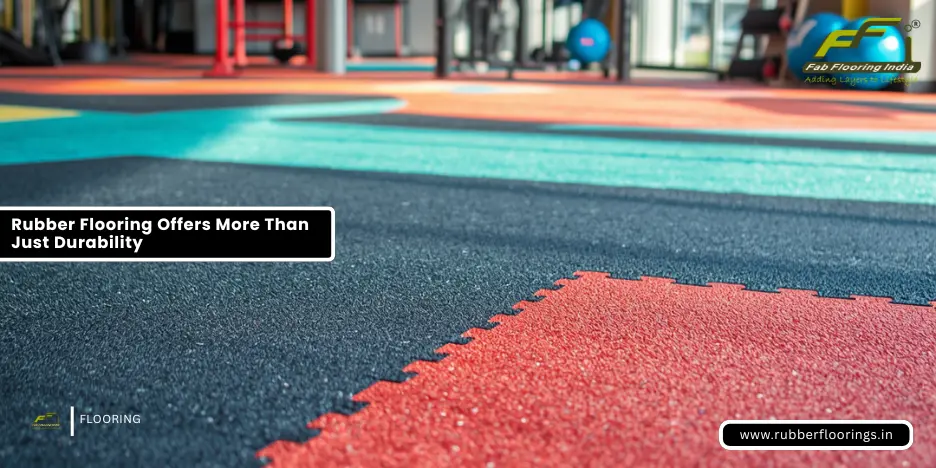
Before You Choose Any Flooring, Read Why Rubber Flooring Comes First
When you walk into a modern gym, a children's play area, a commercial fitness center, or even an industrial workspace, one thing often goes unnoticed—the flooring beneath your feet. Yet, it's one of the most important investments for safety, durability, and comfort.
If you're planning to install a new floor or replace an existing one, rubber flooring deserves serious consideration. It's strong enough to handle heavy equipment, comfortable underfoot, slip-resistant, and built to last for years with minimal maintenance.
This guide covers everything you need to know—from types and benefits to applications, installation, maintenance, and how to choose the right rubber flooring manufacturers in India for your project.
Why Rubber Flooring Is Becoming the First Choice
Traditional flooring materials like ceramic tiles, concrete, marble, or vinyl work well in certain environments. But they often fall short where impact resistance, safety, and durability matter most.
Rubber flooring offers a practical solution by combining strength with comfort.
Some of its biggest advantages include:
- Excellent shock absorption
- Slip-resistant surface
- Noise reduction
- Long lifespan
- Easy maintenance
- Water and moisture resistance
- Comfort underfoot
- Environmentally friendly options made from recycled rubber
Whether you're designing a commercial gym or a children's playground, rubber flooring provides long-term value.
What Is Rubber Flooring?
Rubber flooring is manufactured using either natural rubber, recycled rubber, synthetic rubber, or a combination of these materials. It is available in several formats, including:
- Rubber Tiles
- Rubber Rolls
- Interlocking Mats
- EPDM Rubber Flooring
- SBR Rubber Flooring
- Rubber Pavers
Each type is designed for different applications depending on traffic, impact levels, and environmental conditions.
Types of Rubber Flooring
1. Rubber Tiles
Rubber tiles are among the most popular flooring options because they're easy to install and replace individually if damaged.
They're ideal for:
- Home gyms
- Commercial gyms
- Schools
- Fitness studios
- Offices
Advantages:
- Easy installation
- Available in various thicknesses
- Attractive finishes
- Minimal waste during installation
2. Rubber Rolls
Rubber rolls create a seamless appearance and are perfect for covering large spaces.
Best suited for:
- Commercial gyms
- Sports halls
- Industrial facilities
- Warehouses
Benefits include:
- Fewer seams
- Faster installation
- Professional finish
- Easy cleaning
3. Interlocking Rubber Mats
Interlocking mats require no adhesive, making them a popular DIY flooring solution.
They're commonly used in:
- Home fitness rooms
- Temporary gyms
- Exhibition areas
- Play zones
4. EPDM Rubber Flooring
EPDM (Ethylene Propylene Diene Monomer) rubber is highly resistant to UV rays and weather conditions.
It's commonly installed in:
- Outdoor playgrounds
- Parks
- Running tracks
- Pool surrounds
Unlike ordinary flooring materials, EPDM maintains its color and flexibility even after years of sun exposure.
5. SBR Rubber Flooring
SBR flooring is manufactured using recycled tire rubber.
It offers:
- Excellent durability
- Cost-effectiveness
- Heavy impact resistance
You'll often find it in:
- Weightlifting zones
- Industrial areas
- Fitness centers
Major Benefits of Rubber Flooring
Exceptional Durability
Rubber flooring is built to withstand heavy foot traffic, dropped weights, gym equipment, and continuous movement.
With proper maintenance, quality rubber flooring can easily last 10–20 years or more, making it a smart long-term investment.
Superior Safety
Safety is one of the biggest reasons businesses choose rubber flooring.
It offers:
- Excellent slip resistance
- Better grip during workouts
- Reduced fall injuries
- Shock absorption for impact protection
This makes it ideal for children, athletes, and elderly users.
Outstanding Shock Absorption
Dropping heavy weights on traditional flooring can damage both the floor and equipment.
Rubber flooring absorbs impact, protecting:
- Dumbbells
- Barbells
- Machines
- Concrete subfloors
It also reduces stress on knees, ankles, and joints during exercise.
Noise Reduction
Gyms can become noisy very quickly.
Rubber flooring significantly reduces:
- Equipment noise
- Footstep sounds
- Vibrations
- Echo
This creates a more comfortable workout environment.
Easy Maintenance
Unlike carpets or wooden flooring, rubber flooring doesn't require extensive care.
Routine maintenance involves:
- Sweeping
- Vacuuming
- Damp mopping
- Mild cleaning solution
No polishing or waxing is needed.
Water Resistance
Rubber naturally resists moisture, making it suitable for areas exposed to occasional spills.
Examples include:
- Locker rooms
- Gyms
- Basements
- Commercial kitchens
- Sports facilities
Eco-Friendly Flooring Choice
Many rubber flooring products are manufactured from recycled rubber, helping reduce landfill waste while delivering excellent performance.
Businesses aiming for sustainable building practices often choose recycled rubber flooring.
Where Can Rubber Flooring Be Used?
One of the biggest strengths of rubber flooring is its versatility.
Commercial Gyms
Heavy weights, intense workouts, and high traffic demand flooring that can handle pressure.
Rubber flooring provides:
- Equipment protection
- Athlete safety
- Noise reduction
Home Gyms
Homeowners increasingly prefer rubber flooring because it protects concrete or tiled floors from exercise equipment.
Children's Playgrounds
Safety flooring reduces injury risks during falls.
Soft impact surfaces make playgrounds much safer for children.
Schools
Schools install rubber flooring in:
- Classrooms
- Hallways
- Indoor sports areas
- Play zones
Its durability helps reduce long-term maintenance costs.
Hospitals
Rubber flooring offers:
- Slip resistance
- Comfort for staff
- Quiet walking surfaces
- Easy sanitization
Industrial Facilities
Factories and warehouses benefit from:
- Heavy load resistance
- Worker comfort
- Chemical resistance (depending on product type)
Sports Facilities
Rubber flooring performs exceptionally well in:
- CrossFit gyms
- Indoor courts
- Athletic training centers
- Yoga studios
- Functional fitness areas
How to Choose the Right Rubber Flooring
Not all rubber flooring is the same.
Before buying, consider the following factors.
Thickness
Different applications require different thicknesses.
General recommendations:
- 6–8 mm: Home gyms
- 10–15 mm: Commercial gyms
- 20–50 mm: Playgrounds
- Heavy-duty applications: 20 mm and above
Surface Finish
Choose textures based on usage.
Popular finishes include:
- Smooth
- Hammered
- Coin pattern
- Granulated
Higher texture usually means better grip.
Color Options
Today's rubber flooring is available in:
- Black
- Grey
- Blue
- Green
- Red
- EPDM color blends
You can match flooring with your branding or interior design.
Indoor or Outdoor Use
Outdoor installations require UV-resistant materials such as EPDM.
Indoor gyms typically use SBR or recycled rubber flooring.
Installation Method
Available options include:
- Glue-down
- Loose lay
- Interlocking
- Roll installation
Choose based on your budget and future replacement needs.
Why Choosing the Right Rubber Flooring Manufacturers in India Matters
The quality of your flooring depends heavily on the manufacturer.
Reliable rubber flooring manufacturers in India follow strict quality standards and use premium raw materials to ensure consistent performance.
A trusted manufacturer typically offers:
- High-quality recycled rubber
- Custom thickness options
- Multiple colors and finishes
- Certified products
- UV-resistant EPDM flooring
- Bulk supply capability
- Technical installation support
- Competitive pricing
Working with an experienced manufacturer also ensures consistent product quality for large commercial projects.
Installation Tips for Better Performance
Proper installation plays a major role in the lifespan of rubber flooring.
Follow these best practices:
- Ensure the subfloor is clean and dry.
- Remove dust and debris before installation.
- Allow rubber flooring to acclimate for 24 hours.
- Use recommended adhesives if required.
- Roll the surface properly to eliminate air pockets.
- Seal edges when necessary.
- Allow adequate curing time before heavy use.
Professional installation usually delivers the best results for large commercial spaces.
? Pro Tip: Invest in slightly thicker rubber flooring than your minimum requirement if you expect heavy equipment or high foot traffic. The additional upfront cost often pays for itself through a longer lifespan and reduced maintenance.
Maintenance Tips to Extend Flooring Life
Keeping rubber flooring in excellent condition is simple.
Follow these maintenance practices:
- Sweep daily.
- Vacuum loose dirt regularly.
- Mop with mild detergent.
- Avoid harsh chemicals.
- Clean spills immediately.
- Use protective pads under heavy equipment.
- Inspect seams periodically.
Proper maintenance helps preserve both appearance and performance.
Common Mistakes to Avoid
Many buyers focus only on price.
Instead, avoid these common mistakes:
- Choosing flooring that's too thin
- Ignoring intended usage
- Buying from unreliable suppliers
- Poor installation practices
- Using harsh chemical cleaners
- Skipping routine maintenance
A little planning can prevent expensive repairs later.
Is Rubber Flooring Worth the Investment?
Absolutely.
While rubber flooring may cost more initially than some traditional flooring options, its long service life, low maintenance, durability, and safety benefits often make it the more economical choice over time.
For businesses, gyms, schools, sports facilities, and industrial environments, it offers an excellent balance between performance and long-term value.
Frequently Asked Questions (FAQs)
1. How long does rubber flooring last?
High-quality rubber flooring can last 10 to 20 years or more, depending on usage, maintenance, and installation quality.
2. Is rubber flooring suitable for home gyms?
Yes. Rubber flooring is one of the best options for home gyms because it absorbs impact, protects the subfloor, reduces noise, and provides a comfortable workout surface.
3. Can rubber flooring be used outdoors?
Yes. EPDM rubber flooring is specifically designed for outdoor use and offers excellent resistance to UV rays, rain, and changing weather conditions.
4. Is rubber flooring waterproof?
Rubber flooring is highly water-resistant, making it suitable for gyms, playgrounds, locker rooms, and other areas where moisture is common.
5. Is rubber flooring eco-friendly?
Many products are made from recycled rubber, helping reduce waste while delivering excellent durability and performance.
6. Which thickness is best for gym flooring?
For most commercial gyms, 10–15 mm is recommended. Weightlifting areas may require 20 mm or thicker flooring for maximum protection.
7. How do I clean rubber flooring?
Use a broom or vacuum to remove dust, then clean with a damp mop and a mild, pH-neutral cleaner. Avoid harsh chemicals or abrasive tools.
8. Does rubber flooring smell?
New rubber flooring may have a mild odor initially, especially products made from recycled rubber. This usually fades with proper ventilation over a few days or weeks.
Final Thoughts
Choosing the right rubber flooring is about more than appearance. It's about creating a space that's safe, durable, comfortable, and cost-effective for years to come. Whether you're outfitting a home gym, commercial fitness center, school, playground, or industrial facility, investing in high-quality flooring pays off through better performance and lower maintenance.
If you're sourcing materials for your next project, partner with experienced rubber flooring manufacturers in India that offer certified products, customization options, and dependable after-sales support. The right manufacturer can help you select flooring that matches your budget, usage requirements, and long-term goals.
Ready to upgrade your space? Explore premium rubber flooring solutions, compare product specifications, and consult with a trusted manufacturer to find the ideal flooring for your application. A well-informed decision today can deliver years of safety, durability, and value.