Maintenance Tips for Rubber Floor Mats
Rubber floor mats are widely used across different industries, gyms, fitness centers, workshops, and commercial spaces because of their durability, safety, and comfort. Whether installed in an industrial facility or a fitness environment, rubber mats play a crucial role in protecting floors, equipment, and people. However, to maintain their performance and extend their lifespan, proper care and regular maintenance are extremely important.
Understanding how rubber floor mats work and what they require in terms of upkeep helps ensure they remain effective for years. Rubber is a resilient and flexible material, but like any surface exposed to heavy use, it benefits from consistent cleaning and preventive care. With the right maintenance approach, rubber mats can continue to provide safety, comfort, and long-term value.
Importance of Rubber Floor Mats in Different Environments
Rubber mats are known for their strength and resistance to wear. They are commonly used in gyms, factories, warehouses, workshops, and even commercial kitchens. One of their main advantages is their ability to absorb impact, which helps reduce fatigue and prevent injuries, especially in areas where people stand or move for long hours.
In fitness centers, rubber flooring protects the base floor from damage caused by dropped weights and heavy equipment. In industrial spaces, rubber mats help reduce vibration, control noise, and provide a non-slip surface for workers. These benefits make rubber mats a practical and long-term flooring solution across many applications.
Another key benefit of rubber mats is their sound-dampening ability. In noisy environments like gyms and factories, rubber flooring helps reduce sound impact, creating a more comfortable and controlled atmosphere. Because of these benefits, maintaining rubber mats properly is essential to keep them performing as intended.
Types of Rubber Floor Mats and Their Uses
There are different types of rubber mats available, each designed for specific purposes. Choosing the right type of rubber mat depends on where and how it will be used.
Heavy-duty rubber mats are commonly used in industrial environments where machinery, forklifts, and heavy foot traffic are present. These mats are designed to withstand pressure, impact, and continuous movement without losing their shape or effectiveness.
Fitness mat flooring is widely used in gyms and workout studios. These mats provide cushioning for exercises, reduce the impact on joints, and create a stable surface for workouts such as weight training, yoga, and functional fitness routines.
Thick rubber mats are often used in areas that require extra protection and comfort. They are suitable for martial arts studios, children’s play areas, and zones where impact absorption is especially important. Their thickness also helps in reducing vibration and noise.
Why Regular Cleaning of Rubber Mats Is Necessary
Regular cleaning is essential to maintain both the appearance and functionality of rubber floor mats. Dirt, dust, sweat, oil, and debris can accumulate over time, affecting grip, hygiene, and overall performance.
In high-traffic areas such as gyms and factories, daily cleaning helps prevent dirt from settling into the surface of the mats. Simple actions like sweeping or vacuuming remove loose particles that could otherwise cause surface wear.
Spot cleaning is equally important. Any spills, stains, or liquid substances should be cleaned immediately using a damp cloth and mild soap. Prompt cleaning prevents permanent stains and protects the rubber from chemical damage.
Weekly and Deep Cleaning Practices
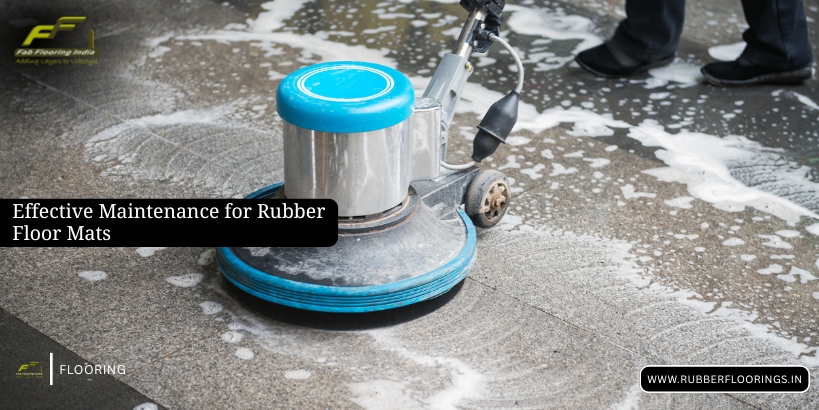
Apart from daily cleaning, rubber mats should be thoroughly cleaned at least once a week. Mopping with a mixture of water and mild detergent helps remove sweat residue, oils, and dirt buildup.
It is important to avoid harsh chemicals or strong acids, as these can weaken the rubber material over time. After mopping, mats should be rinsed properly to ensure no soap residue remains, as leftover detergent can make the surface slippery.
For industrial rubber mats, deep cleaning may be required on a monthly basis. Pressure washing is an effective method for removing stubborn grime and restoring the mat’s surface texture. After deep cleaning, mats must be completely dried before being placed back into use to prevent mold and mildew.
Additional Maintenance Tips for Long-Lasting Rubber Mats
Cleaning alone is not enough to maintain rubber mats effectively. Preventive measures also play an important role in extending their lifespan. Rubber mats should be protected from prolonged exposure to direct sunlight, as UV rays can cause cracking and fading over time.
In areas where mats experience uneven wear, rotating them periodically helps distribute pressure evenly. This simple practice can significantly extend the usable life of rubber flooring.
When rubber mats are used under heavy equipment or machinery, protective pads or barriers can be placed underneath to prevent deep indentations. These protective measures reduce stress on the mats and help maintain their original shape.
Maintenance Tips for Fitness and Gym Rubber Flooring
Gym environments require special attention due to sweat, constant movement, and shared use. Regular sanitization of rubber gym mats is necessary to maintain hygiene and prevent bacterial growth.
Using disinfectants that are safe for rubber surfaces helps keep gym flooring clean without damaging the material. After cleaning, proper ventilation or the use of fans ensures quick drying, preventing moisture buildup and unpleasant odors.
Well-maintained gym flooring not only improves hygiene but also enhances the overall workout experience. Clean and safe flooring builds trust and comfort among gym members.
Industrial Rubber Mat Maintenance Considerations
Industrial rubber mats are exposed to oil, grease, chemicals, and heavy loads. In such environments, spills should be cleaned immediately to prevent slipping hazards and material damage.
Selecting rubber mats that are resistant to specific chemicals used in the workplace helps reduce long-term damage. Additionally, cleaning agents should always be compatible with rubber to avoid surface degradation.
Routine inspection of industrial mats is crucial. Any signs of cracks, excessive wear, or damage should be addressed immediately by repairing or replacing the mats to maintain safety standards.
Long-Term Benefits of Proper Rubber Mat Care
Rubber floor mats are a long-term investment in safety, comfort, and performance. Proper maintenance ensures that this investment continues to deliver value over time.
By following a consistent cleaning schedule, protecting mats from environmental damage, and conducting regular inspections, rubber mats can provide years of reliable service in both industrial and fitness environments.
Maintained rubber flooring enhances safety, improves appearance, and supports better working and workout conditions. Whether used in gyms, factories, or commercial spaces, well-cared-for rubber mats contribute to a healthier and more efficient environment.
Final Thoughts
Rubber floor mats play a vital role in modern flooring solutions. Their durability, comfort, and safety features make them suitable for a wide range of applications. With proper care, regular cleaning, and preventive maintenance, rubber mats can perform effectively for many years.
Investing time in maintaining rubber flooring not only protects the mats themselves but also enhances the overall safety and functionality of the space. A well-maintained rubber flooring system supports productivity, comfort, and long-term cost savings, making it a smart choice for both industrial and fitness environments.