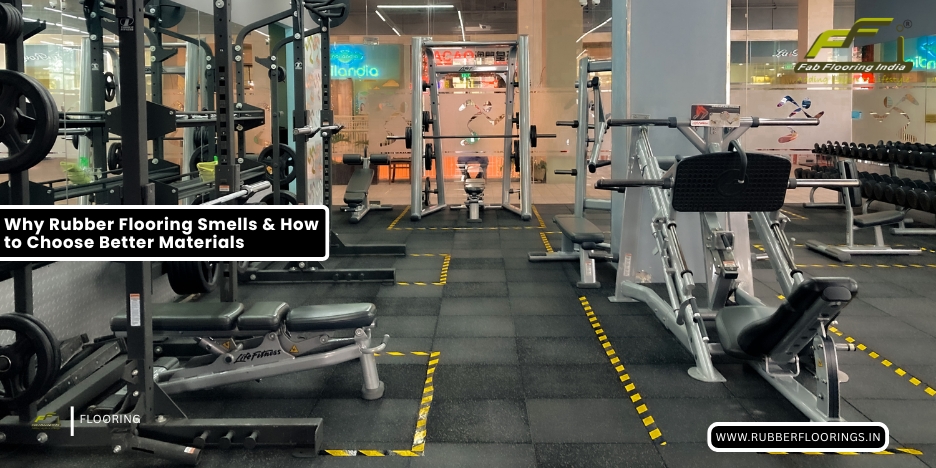
Why Some Rubber Flooring Smells and How to Choose Better Materials
Rubber flooring is one of the most popular flooring solutions for gyms, play areas, sports facilities, and commercial spaces because of its durability, shock absorption, and safety features. However, one common issue many people notice after installation is the strong smell coming from the flooring.
Some rubber flooring products produce only a mild temporary odor, while others create a strong smell that lasts for weeks or even months.
This often leads people to ask:
Why does rubber flooring smell, and how can you choose better, low-odor materials?
In this guide, we’ll explain the real reasons behind rubber flooring odor, what causes it, whether it is harmful, and how to select high-quality materials that provide better indoor comfort and air quality.
Why Rubber Flooring Smells
Rubber flooring odor mainly comes from the materials and chemicals used during manufacturing.
Not all rubber flooring smells the same. The intensity depends on:
- Raw material quality
- Manufacturing process
- Type of rubber used
- Adhesives and binders
Recycled Rubber Content
Most rubber flooring is made from recycled tyres.
Tyres contain:
- Rubber compounds
- Oils
- Carbon black
- Industrial chemicals
During recycling, these materials can release odor.
Why Some Products Smell More
Low-quality recycling processes often fail to remove impurities completely.
As a result:
- Strong chemical smell remains
- Odor lasts longer indoors
Poor Manufacturing Quality
Cheap rubber flooring is usually manufactured with minimal quality control.
Common issues include:
- Excess chemical residue
- Incomplete curing process
- Low-grade binding agents
These factors increase odor intensity.
Low-Quality Adhesives and Binders
Rubber granules are bonded using polyurethane or other adhesives.
Cheap binders may:
- Release strong fumes
- Produce long-lasting odor
- Break down faster under heat
High-quality binders significantly reduce smell.
Lack of Proper Curing
During production, rubber flooring must go through a curing process to stabilize the material.
Improper curing can trap odor-causing compounds inside the flooring.
This results in:
- Strong initial smell
- Slow odor reduction over time
Heat and Ventilation Impact
Temperature and ventilation affect how noticeable the smell becomes.
High Temperature
Heat increases chemical release from low-quality rubber flooring.
This is why smell becomes stronger in:
- Closed rooms
- Hot environments
- Poorly ventilated gyms
Poor Air Circulation
Without ventilation:
- Odor stays trapped indoors
- Smell becomes more concentrated
Is Rubber Flooring Smell Harmful?
In most cases, mild rubber smell is not dangerous and reduces over time.
However, very strong chemical odors from poor-quality products may cause:
- Headaches
- Eye irritation
- Breathing discomfort
- Indoor air quality problems
This is especially noticeable in enclosed gym environments.
Difference Between Normal Rubber Smell and Poor-Quality Odor
Mild Temporary Smell
High-quality rubber flooring may have:
- Slight rubber odor initially
- Smell reduction within days or weeks
This is normal.
Strong Chemical Smell
Low-quality flooring may produce:
- Sharp chemical odor
- Long-lasting smell
- Sticky or oily surface
This indicates poor material quality.
Types of Rubber Flooring and Odor Levels
SBR Rubber Flooring
Made from recycled tyre rubber.
Characteristics
- More affordable
- Slight odor possible
- Common in gyms
EPDM Rubber Flooring
Made using synthetic rubber compounds.
Characteristics
- Cleaner material
- Lower odor
- Better color stability
- Premium quality
EPDM flooring is often preferred in high-end gyms and indoor spaces.
Virgin Rubber Flooring
Made from new rubber instead of recycled material.
Benefits
- Minimal odor
- Better consistency
- Improved air quality
Usually more expensive.
Signs of Low-Quality Smelly Rubber Flooring
Strong Chemical Odor
If the smell feels too harsh or irritating, quality may be poor.
Sticky Surface
Poor-quality flooring may feel oily.
Uneven Color or Texture
Inconsistent appearance often indicates mixed or impure materials.
Very Lightweight Flooring
Low-density rubber products often use poor-quality compounds.
How to Choose Better Rubber Flooring Materials
Choose High-Quality Manufacturers
Trusted manufacturers use:
- Better raw materials
- Proper curing methods
- Safer binders
Always choose reputable suppliers.
Check VOC Levels
VOC stands for Volatile Organic Compounds.
Low-VOC flooring provides:
- Better air quality
- Reduced odor
- Safer indoor environment
Ask About Material Composition
Before buying, ask:
- Is it SBR or EPDM?
- Is it low-VOC certified?
- What type of binder is used?
Prefer High-Density Flooring
High-density rubber flooring:
- Performs better
- Releases less odor
- Lasts longer
Choose Proper Thickness
Thicker, high-quality flooring often provides:
- Better durability
- Improved performance
- Reduced odor release
Installation Tips to Reduce Rubber Flooring Smell
Improve Ventilation
Keep the area ventilated after installation.
Use:
- Exhaust fans
- Open windows
- Air circulation systems
Allow Time for Airing Out
Most mild odors reduce naturally within a few days.
Clean Flooring Before Use
Wipe flooring with mild cleaning solution to remove surface residue.
Avoid Excess Heat Initially
High temperatures can intensify odor temporarily.
Rubber Flooring vs Other Flooring (Odor Comparison)
Rubber Flooring
- Mild odor possible initially
- Reduces over time if high quality
Foam Mats
- Chemical smell common in cheap products
- Less durable
PVC Flooring
- Usually lower odor
- Depends on manufacturing quality
Benefits of Choosing Odor-Free Rubber Flooring
- Better indoor air quality
- More comfortable gym environment
- Improved user experience
- Professional appearance
- Safer enclosed spaces
Real-Life Comparison
Cheap Rubber Flooring
- Strong smell
- Faster wear
- Poor indoor comfort
Premium Rubber Flooring
- Minimal odor
- Better durability
- Cleaner environment
Common Mistakes to Avoid
- Buying the cheapest option available
- Ignoring material specifications
- Choosing unknown suppliers
- Installing flooring without ventilation
These mistakes often lead to long-term odor problems.
Final Verdict
Rubber flooring smell mainly depends on:
- Material quality
- Manufacturing process
- Type of rubber used
- Ventilation conditions
High-quality rubber flooring made with proper processing and low-VOC materials produces minimal odor and provides a much better indoor experience.
Conclusion
A strong flooring smell is not always normal. In many cases, it reflects poor manufacturing quality and low-grade materials. Understanding the difference between standard rubber odor and harmful chemical smell helps you make smarter flooring decisions.
Choosing high-quality rubber flooring ensures:
- Better comfort
- Improved air quality
- Long-term durability
- Professional indoor environment
The best flooring should not only perform well but also create a clean and comfortable space for users.