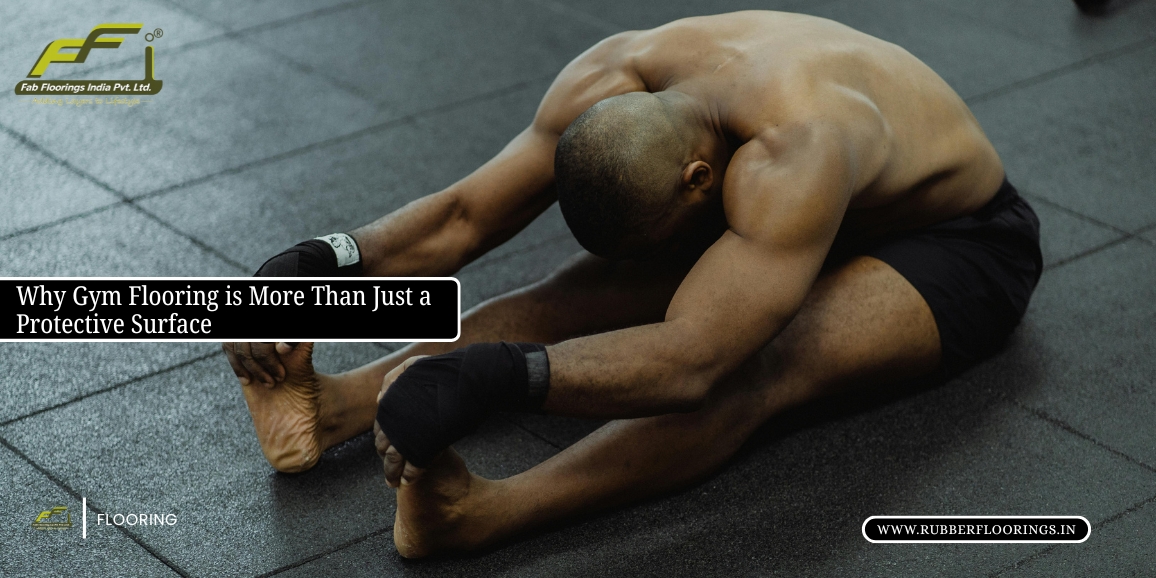
Why Gym Flooring is More Than Just a Protective Surface
When people think about gym flooring, they often assume its only purpose is to protect the floor underneath. While floor protection is certainly important, modern gym flooring does much more than simply act as a barrier between equipment and the building surface.
In reality, gym flooring plays a critical role in workout performance, safety, comfort, equipment longevity, noise control, hygiene, and even the overall user experience.
Whether it's a commercial fitness center, home gym, CrossFit box, sports training facility, or yoga studio, the flooring influences almost every aspect of how the space functions.
This is why professional gym owners and fitness enthusiasts view gym flooring as an essential part of the training environment rather than just a protective surface.
The Foundation of Every Workout
Every exercise starts from the ground up.
Whether you're:
- Running on a treadmill
- Performing squats
- Deadlifting
- Doing HIIT workouts
- Practicing yoga
your body interacts with the floor throughout the entire movement.
The quality of the flooring directly affects:
- Stability
- Balance
- Comfort
- Force transfer
- Movement efficiency
Without proper flooring, workout performance can suffer.
Gym Flooring Improves Safety
Safety is one of the biggest reasons gyms invest in specialized flooring.
Standard surfaces like tiles, marble, or concrete can become dangerous during workouts.
Reduces Slip Risks
Workouts often involve:
- Sweat
- Fast movements
- Heavy lifting
Quality gym flooring provides enhanced grip and traction, helping users maintain balance during exercise.
Helps Prevent Injuries
Shock-absorbing flooring reduces impact stress on:
- Knees
- Ankles
- Hips
- Lower back
This is especially beneficial during:
- Jump training
- Running
- Functional workouts
Supports Better Exercise Performance
Many people don't realize that flooring can directly affect workout results.
Proper gym flooring creates a stable foundation that supports:
- Better posture
- Improved lifting technique
- Greater balance
- More efficient movement
A stable training surface helps users perform exercises correctly and consistently.
Shock Absorption Protects the Body
One of the most valuable features of gym flooring is shock absorption.
How It Works
When impact occurs:
- The flooring absorbs part of the force
- Reduces stress on the body
- Minimizes impact transfer
This creates a more comfortable workout environment.
Benefits
- Less joint strain
- Reduced fatigue
- Improved training comfort
- Better recovery support
Protects Expensive Gym Equipment
Fitness equipment represents a major investment.
Heavy equipment such as:
- Dumbbells
- Barbells
- Squat racks
- Weight machines
- Cardio equipment
places significant pressure on flooring surfaces.
Gym flooring helps:
- Distribute weight evenly
- Reduce vibration
- Prevent equipment damage
This can extend equipment lifespan considerably.
Reduces Noise and Vibration
Noise control has become increasingly important, especially in:
- Apartment gyms
- Residential buildings
- Commercial complexes
- Multi-story fitness facilities
Dropped weights and machine vibrations create significant noise.
Rubber gym flooring helps absorb sound and reduce vibration transmission throughout the building.
Improves Floor Durability
Without proper gym flooring, building surfaces can suffer damage such as:
- Cracked tiles
- Dented wood
- Chipped marble
- Concrete stress
Gym flooring acts as a protective system that prevents costly floor repairs.
However, floor protection is only one of many benefits it provides.
Enhances Workout Comfort
Comfort is often overlooked when choosing gym flooring.
Hard surfaces can feel uncomfortable during:
- Stretching
- Floor exercises
- Functional training
- Core workouts
Quality flooring provides a more comfortable workout experience while maintaining stability.
Supports Better Load Distribution
Modern gyms contain equipment that concentrates large amounts of weight into small areas.
Examples include:
- Power racks
- Leg press machines
- Dumbbell storage racks
Gym flooring helps distribute loads more evenly across the surface.
This reduces pressure on both the equipment and the building structure.
Creates Dedicated Training Zones
Different workouts require different flooring characteristics.
For example:
Strength Training Areas
Require:
- High-density flooring
- Heavy impact protection
Cardio Zones
Require:
- Vibration reduction
- Equipment stability
Functional Fitness Areas
Require:
- Shock absorption
- Grip and flexibility
Yoga and Stretching Zones
Require:
- Comfort
- Supportive cushioning
Modern gym flooring helps define these training spaces effectively.
Improves Hygiene and Cleanliness
Gyms experience constant exposure to:
- Sweat
- Dust
- Moisture
- Foot traffic
High-quality gym flooring is designed to:
- Resist moisture
- Reduce odor buildup
- Support easy cleaning
This creates a healthier training environment.
Supports Long-Term Cost Savings
Many people focus only on installation costs.
However, quality gym flooring reduces:
- Repair costs
- Equipment damage
- Maintenance expenses
- Replacement frequency
The result is a lower total cost of ownership over time.
Helps Maintain Professional Appearance
First impressions matter in fitness facilities.
Worn-out or damaged flooring can make even a well-equipped gym look outdated.
Modern gym flooring helps create:
- A clean appearance
- Professional aesthetics
- Better member experience
This is especially important for commercial fitness centers.
Adapts to Different Climate Conditions
In countries like India and regions such as Dubai, flooring must withstand:
- High temperatures
- Humidity
- Continuous air-conditioning cycles
Quality gym flooring is designed to handle these conditions without:
- Cracking
- Warping
- Excessive expansion
This improves durability and performance.
Supports Movement Efficiency
The flooring surface affects how efficiently the body transfers force during exercise.
Good flooring helps:
- Improve balance
- Enhance stability
- Reduce energy loss
This allows users to move more effectively during workouts.
Contributes to Member Satisfaction
Gym members notice:
- Comfort
- Cleanliness
- Safety
- Noise levels
Quality flooring improves all of these factors.
A better training environment often leads to:
- Higher member retention
- Better reviews
- Improved gym reputation
Why Rubber Flooring Remains the Top Choice
Rubber flooring is widely considered the best gym flooring option because it combines:
- Durability
- Shock absorption
- Anti-slip performance
- Noise reduction
- Easy maintenance
It performs well in both home and commercial gym environments.
Common Mistakes People Make
Many gym owners underestimate the importance of flooring.
Common mistakes include:
- Choosing flooring based only on price
- Using foam mats for heavy equipment
- Ignoring flooring density
- Selecting insufficient thickness
- Overlooking installation quality
These mistakes often lead to higher costs later.
The Hidden Value of Gym Flooring
The true value of gym flooring extends far beyond floor protection.
It contributes to:
- User safety
- Workout performance
- Equipment longevity
- Noise management
- Hygiene
- Facility appearance
Few other gym investments affect so many aspects of a fitness space.
Final Verdict
Gym flooring is much more than a protective surface. It serves as the foundation for safe, efficient, and comfortable workouts while supporting equipment performance and facility durability.
The right flooring helps create a professional training environment that benefits both gym owners and users.
Conclusion
Every movement in a gym begins from the floor. The quality of that floor influences safety, comfort, performance, maintenance costs, and overall user satisfaction.
Whether you're designing a home gym or a large commercial fitness center, investing in quality gym flooring is not simply about protecting the floor beneath—it is about improving the entire fitness experience.
A great gym starts with a strong foundation, and that foundation is the flooring.