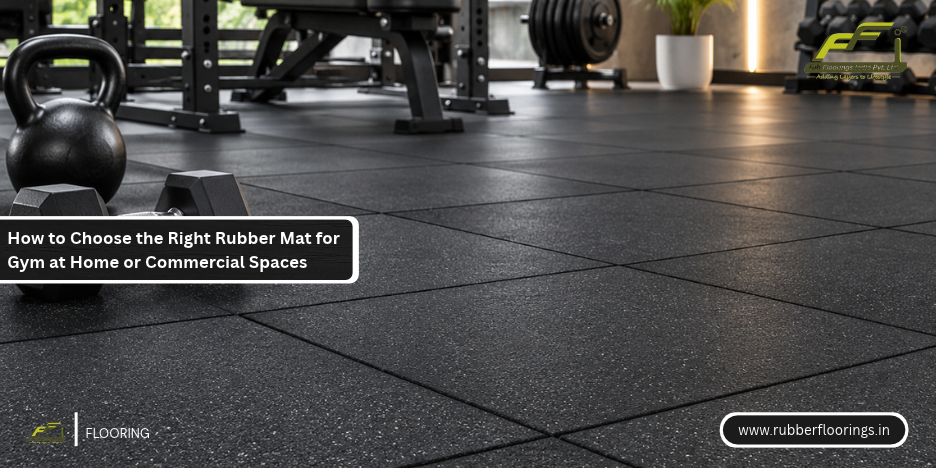
How to Choose the Right Rubber Mat for Gym at Home or Commercial Spaces
Choosing the right rubber mat for gym flooring is essential for creating a safe, comfortable, and durable workout environment. Whether you are setting up a home gym, managing a fitness centre, or designing a professional training space, the right flooring protects your existing floor, absorbs impact, reduces noise, and provides better grip during exercise.
However, not every gym requires the same flooring. A home workout area may need lightweight, easy-to-install mats, while a commercial gym requires heavy-duty flooring that can handle constant foot traffic, exercise equipment, and dropped weights.
Understanding material quality, thickness, surface texture, and installation requirements will help you select a rubber mat for the gym that meets your fitness needs and budget.
Why Is a Rubber Mat for Gym Flooring Important?
Gym flooring does more than cover the floor. It creates a stable surface for different exercises while protecting both users and equipment.
Here are some important benefits of installing a rubber mat for gym:
1. Protects Floors from Heavy Equipment
Dumbbells, barbells, treadmills, and weight machines can scratch, dent, or damage regular flooring. A quality gym rubber mat creates a protective layer between the equipment and the original floor.
This is particularly useful in commercial gyms where heavy equipment remains in constant use.
2. Absorbs Impact and Reduces Noise
Dropping weights and performing high-impact exercises can create noise and vibration. Rubber flooring helps absorb impact and reduces sound transmission, making workout spaces more comfortable.
A suitable gym floor mat is especially beneficial for apartment gyms, fitness studios, and multi-purpose workout rooms.
3. Provides Better Grip and Stability
Slippery floors can affect workout performance and increase the risk of losing balance. Textured rubber surfaces provide better traction during activities such as weightlifting, stretching, functional training, and bodyweight exercises.
4. Offers Long-Term Durability
High-quality rubber flooring can withstand regular workouts, heavy foot traffic, and equipment movement. With proper installation and maintenance, it can remain functional for years.
Different Types of Rubber Mat for Gym Flooring
Before purchasing gym flooring, understand the available options. Each type offers different advantages depending on the workout environment.
1. Rubber Interlocking Mats
Interlocking rubber mats feature puzzle-shaped edges that fit together without requiring complicated installation. They are suitable for home gyms, small fitness rooms, and workout areas where flexibility is important.
Best for:
- Home workout spaces
- Small fitness studios
- Yoga and exercise areas
- Temporary gym setups
They are easy to install, expand, and replace when needed.
2. Rubber Gym Rolls
Rubber rolls provide a continuous flooring surface with fewer visible joints. They are commonly used in commercial gyms, fitness centres, and larger workout spaces.
Best for:
- Commercial fitness centres
- Large training areas
- Personal training studios
- High-traffic workout spaces
A gym floor rubber mat in roll form offers a clean, uniform appearance and can cover larger areas efficiently.
3. EPDM Rubber Flooring
EPDM rubber flooring is made using ethylene propylene diene monomer rubber. It is known for its weather resistance, colour stability, and ability to withstand environmental exposure.
It is available in different colours and finishes, making it suitable for indoor and outdoor fitness applications.
Best for:
- Outdoor fitness areas
- Functional training spaces
- Sports and recreational facilities
- Decorative gym flooring applications
When selecting EPDM flooring, check the product's construction, thickness, binder quality, and suitability for your intended application.
How to Choose the Right Rubber Mat for Gym
Selecting the right flooring requires more than comparing prices. Consider these important factors before making your purchase.
1. Check the Thickness
Thickness is one of the most important factors when choosing a rubber mat for gym flooring.
Different workouts create different levels of pressure and impact. For example, a stretching area does not require the same flooring thickness as a heavy weightlifting zone.
Here is a general guide:
|
Thickness |
Suitable application |
|
4–6 mm |
Light home workouts and low-impact activities |
|
8–10 mm |
General fitness and exercise areas |
|
12–15 mm |
Weight training and functional fitness |
|
15–20 mm or more |
Heavy-duty training and impact-prone zones |
These are indicative ranges, not universal standards. The appropriate thickness depends on rubber density, subfloor condition, equipment weight, and expected impact.
2. Consider the Workout Environment
Think about how the space will be used before selecting a gym flooring mat.
For example, a home gym used for yoga, stretching, and light workouts may need comfortable, easy-to-clean mats. On the other hand, a commercial gym with heavy dumbbells and weight machines needs more durable flooring with better impact protection.
Choosing flooring according to actual usage prevents unnecessary spending and improves long-term performance.
3. Evaluate Material Quality
Not all rubber mats offer the same performance. Check the material composition, density, surface finish, and manufacturing quality.
Consider these points:
- Look for consistent thickness and density.
- Check whether the surface provides sufficient grip.
- Ensure the material does not easily crumble or deform.
- Ask about odour, indoor suitability, and maintenance requirements.
- Check the manufacturer's specifications and product warranty.
A quality gym rubber mat should maintain its shape and provide reliable performance under regular use.
4. Choose the Right Surface Texture
Surface texture affects grip, comfort, and cleaning.
A textured finish can provide better traction during dynamic movements, while a smoother surface may be easier to clean.
For weightlifting and functional training, prioritise stability and grip. For stretching and general exercise, comfort may also be an important consideration.
5. Check Installation and Maintenance Requirements
Installation depends on the flooring type and the condition of the existing floor.
Interlocking mats are generally suitable for DIY installation, while rubber rolls may require careful cutting, alignment, and adhesive application depending on the product.
For long-lasting performance:
- Clean the surface regularly.
- Remove dust, sweat, and spills.
- Avoid harsh cleaning chemicals unless approved by the manufacturer.
- Inspect joints and edges periodically.
- Follow the recommended installation instructions.
Rubber Mat for Gym at Home vs Commercial Spaces
The flooring requirements of home and commercial gyms can be quite different.
|
Feature |
Home Gym |
Commercial Gym |
|
Usage |
Occasional to regular |
Frequent and intensive |
|
Flooring |
Interlocking mats or rolls |
Heavy-duty rolls or tiles |
|
Thickness |
Depends on workout type |
Depends on equipment and impact |
|
Installation |
DIY-friendly options |
Professional installation may be preferred |
|
Priority |
Comfort and convenience |
Durability and performance |
For home gyms, choose a rubber mat for gym that fits your available space and workout routine.
For commercial facilities, focus on durability, wear resistance, impact absorption, and ease of maintenance.
Common Mistakes to Avoid When Buying Gym Rubber Mats
Even good-quality flooring may not perform well if you select the wrong product.
Avoid these common mistakes:
Choosing only by price: Cheap mats may have inconsistent density, poor durability, or unpleasant odours. Compare specifications rather than relying only on price.
Ignoring thickness requirements: A thin mat may not provide sufficient protection in heavy weightlifting areas.
Overlooking floor compatibility: Check whether the existing surface is level, dry, and suitable for the selected flooring system.
Not measuring the space: Calculate the total floor area before ordering to avoid material shortages or unnecessary wastage.
Ignoring maintenance: Select flooring that can be cleaned easily and maintained according to your gym's daily usage.
How Much Rubber Mat for Gym Flooring Do You Need?
Before ordering, measure the length and width of your workout area.
Use this simple formula:
Required Flooring Area = Length × Width
For example, if your gym area is 15 feet long and 12 feet wide:
15 × 12 = 180 square feet.
You will need approximately 180 sq. ft. of flooring, plus an additional allowance for cutting and installation wastage.
For irregularly shaped spaces, divide the area into smaller sections and calculate each section separately.
Getting accurate measurements helps you estimate material requirements and manage your flooring budget more effectively.
Conclusion: Invest in the Right Gym Flooring
Choosing the right rubber mat for gym flooring can make a significant difference to workout safety, comfort, and the overall appearance of your fitness space. From interlocking mats for home workouts to heavy-duty rubber rolls and EPDM rubber flooring for specialised applications, the right choice depends on your space, exercise routine, equipment, and budget.
Before purchasing, compare material quality, thickness, density, surface texture, and installation requirements. A well-selected gym floor mat can protect your existing floor and provide a reliable workout surface for everyday fitness activities.
Looking for durable and high-quality gym flooring? Explore the range of rubber flooring solutions at Rubber Floorings and choose a suitable option for your home gym or commercial fitness centre. Contact the team to discuss your flooring requirements and find the right solution for your space.